avatarKevin Buddaeus

Free AI web copilot to create summaries, insights and extended knowledge, download it at here

2063

Abstract

rned. But there are more such unethical business endeavors, aiming to make a quick buck. And they risk many lives in doing so.</p><h1 id="d3cc">The ADE 651 Detector</h1><p id="00f4">The ADE 651 is a bomb detector with a catch: It’s fake. The manufacturer, British company Advanced Tactical Security & Communications Ltd (ATSC) sold it back in 2010 under the promise that it can reliably and effectively sniff out explosives such as TNT & RDX (Semtex) as well as drugs and other high profile substances.</p><p id="c2bf">But it later turned out that the device does no such thing.</p><p id="8dab">Unfortunately, many middle eastern countries were unaware of the questionable origin of these devices. According to the <a href="http://news.bbc.co.uk/2/hi/uk_news/8476381.stm">BBC</a>, the Iraqi Government paid around 40.000 per device and spent a total of around 85 Million on these devices to use for their military and police in and around Baghdad.</p><p id="9b7b">Their personnel used the devices to detect bombs in routine checks of vehicles and even replaced the manual search using mirrors with their “electronic search”.</p><figure id="090f"><img src="https://cdn-images-1.readmedium.com/v2/resize:fit:800/1*5zqlHIoJhcCMAO1K17Wlnw.jpeg"><figcaption>An Iraqi soldier in 2008 using an ADE 651 —<a href="https://commons.wikimedia.org/wiki/File:US_Navy_081016-N-1810F-303_Checkpoint_in_Abu_T%27Shir,_Iraq.jpg"> Image by Todd Frantom / Public domain</a></figcaption></figure><p id="2831"><a href="http://news.bbc.co.uk/2/hi/uk_news/8476381.stm">BBC investigated the reliability of these devices and concluded that they are simply fake</a>, similar to a <a href="https://en.wikipedia.org/wiki/Dowsing#Rods">dowsing rod</a>. They contain nothing but a plastic grip and a swivel with an antenna attached to it. Inside, there is an electronic tag, similar to the tags used to prevent shoplifting.</p><p id="2eb6"><a href="https://www.nytimes.com/2010/01/24/world/europe/24scanner.html">An employee of ATSC anonymously spoke with the New York Times</a>, stati

Options

ng that the devices are manufactured for no more than 250 using novelty golfball finders and antennas. They are then sold to customers in Asia and the Middle East for about 40.000. When being challenged by the whistleblower that the device does not work, The founder and CEO of ATSC, James McCormick reportedly replied: “It does exactly what it’s designed to. It makes money.”</p><h1 id="420f">Selling ethics for profit</h1><p id="2c1b">This scam did not just deprive someone of their money. Because the Iraqi law enforcement believed in and relied on these detectors in their line of work, it can be assumed that many bombs simply evaded detection due to the fake nature of the device.</p><p id="492f">This did not only endanger Iraqi law enforcement or the civilian population, but also foreign troops that worked in and around Baghdad. An IED that blew up a US or British convoy might have never reached its destination if not for these fake bomb detectors.</p><p id="8565"><a href="https://www.bbc.com/news/uk-22380368">The founder and CEO of ATSC, James McCormick, has since been charged with fraud and sentenced to 10 years in prison</a> according to the BBC. Even up to his trial, McCormick showed no remorse.</p><p id="c555">He made over $80 million in profits over the course of three years. In these three years, many IEDs and bombs killed American and European soldiers as well as local civilians. Deaths that would not have happened, if not for a false sense of security caused by fake bomb detectors.</p><p id="f072">Any scam is despicable. But when you’re willing to risk human lives all in the name of making a quick buck, that’s when you have reached rock bottom.</p><p id="1dba"><b><i>Kevin is an editor and writer for the <a href="https://medium.com/illumination">ILLUMINATION</a> and <a href="https://medium.com/polyglot-poetry">Polyglot Poetry</a> publications. Follow him on <a href="https://twitter.com/KBuddaeus">Twitter</a> and <a href="https://www.linkedin.com/in/kevin-budd%C3%A4us-692869198/">LinkedIn</a>.</i></b></p></article></body>

When Capitalism Turns Deadly

Imagine you need to find a bomb and your detector turns out to be fake — This really happened
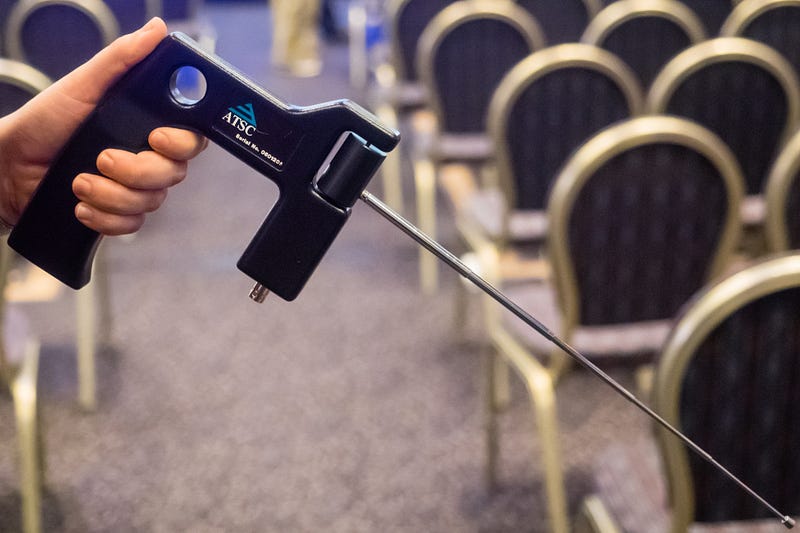
The fake ADE 651 bomb detector — Image By Your Funny uncle — Own work, CC BY-SA 4.0

In the world of business, scams are not a new concept. One of the most common types of scams involves selling fake products. You can often find cheap unbranded phone chargers and other stuff from China. When you open the device, you’ll find some placeholder electronics in a hollow shell. It doesn’t work.

Amid the current pandemic, the latest of such scams was a fake temperature reader from China, which does NOT really show your temperature:

People who are unaware of this might rely on a fake device and gain a false sense of security. For the coronavirus, this device could lead to countless infected people not being identified by their temperature, as the device only shows a fake 36.9 degrees Celsius.

Luckily, governments and hospitals only use certified devices. Individual consumers might fall for these fake thermometers. You’ve been warned. But there are more such unethical business endeavors, aiming to make a quick buck. And they risk many lives in doing so.

The ADE 651 Detector

The ADE 651 is a bomb detector with a catch: It’s fake. The manufacturer, British company Advanced Tactical Security & Communications Ltd (ATSC) sold it back in 2010 under the promise that it can reliably and effectively sniff out explosives such as TNT & RDX (Semtex) as well as drugs and other high profile substances.

But it later turned out that the device does no such thing.

Unfortunately, many middle eastern countries were unaware of the questionable origin of these devices. According to the BBC, the Iraqi Government paid around $40.000 per device and spent a total of around $85 Million on these devices to use for their military and police in and around Baghdad.

Their personnel used the devices to detect bombs in routine checks of vehicles and even replaced the manual search using mirrors with their “electronic search”.
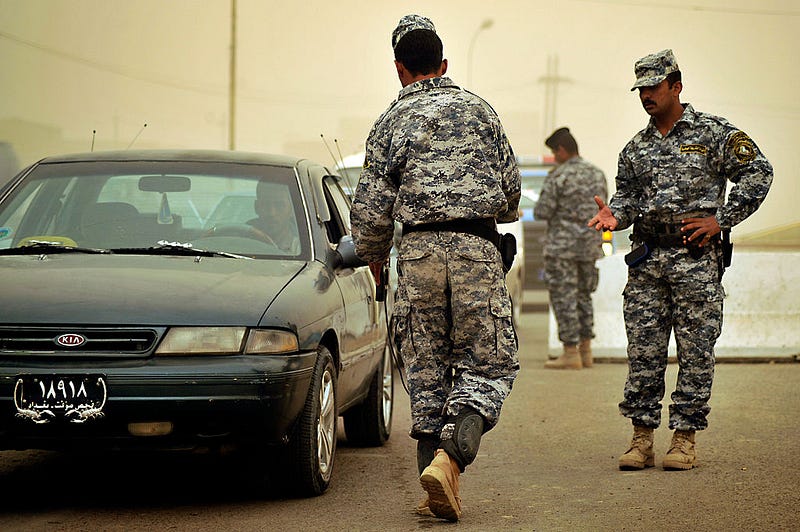
An Iraqi soldier in 2008 using an ADE 651 — Image by Todd Frantom / Public domain

BBC investigated the reliability of these devices and concluded that they are simply fake, similar to a dowsing rod. They contain nothing but a plastic grip and a swivel with an antenna attached to it. Inside, there is an electronic tag, similar to the tags used to prevent shoplifting.

An employee of ATSC anonymously spoke with the New York Times, stating that the devices are manufactured for no more than $250 using novelty golfball finders and antennas. They are then sold to customers in Asia and the Middle East for about $40.000. When being challenged by the whistleblower that the device does not work, The founder and CEO of ATSC, James McCormick reportedly replied: “It does exactly what it’s designed to. It makes money.”

Selling ethics for profit

This scam did not just deprive someone of their money. Because the Iraqi law enforcement believed in and relied on these detectors in their line of work, it can be assumed that many bombs simply evaded detection due to the fake nature of the device.

This did not only endanger Iraqi law enforcement or the civilian population, but also foreign troops that worked in and around Baghdad. An IED that blew up a US or British convoy might have never reached its destination if not for these fake bomb detectors.

The founder and CEO of ATSC, James McCormick, has since been charged with fraud and sentenced to 10 years in prison according to the BBC. Even up to his trial, McCormick showed no remorse.

He made over $80 million in profits over the course of three years. In these three years, many IEDs and bombs killed American and European soldiers as well as local civilians. Deaths that would not have happened, if not for a false sense of security caused by fake bomb detectors.

Any scam is despicable. But when you’re willing to risk human lives all in the name of making a quick buck, that’s when you have reached rock bottom.

Kevin is an editor and writer for the ILLUMINATION and Polyglot Poetry publications. Follow him on Twitter and LinkedIn.

Business
Startup
Crime
Technology
Marketing
Recommended from ReadMedium