
When Australia Tried to Charge Facebook for Content
And the lesson we can learn from it
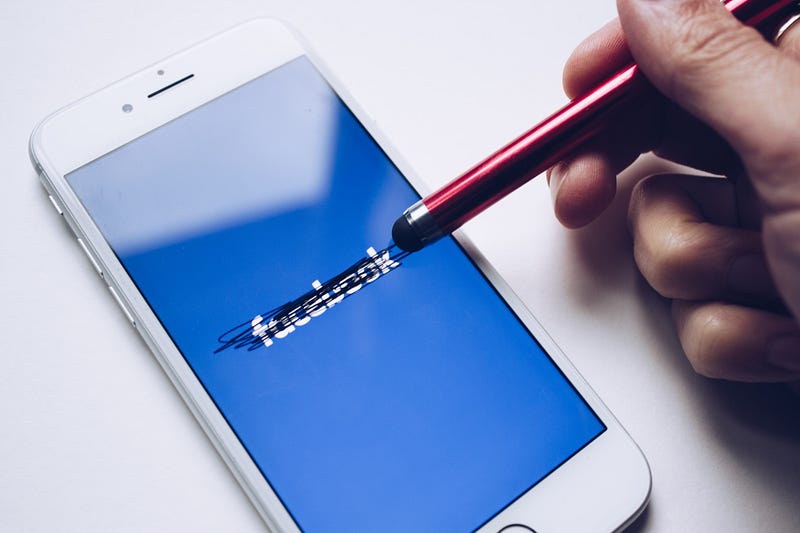
I still remember until this day when Australia tried to challenge Facebook domination by asking them to pay for news that was shared on their platform.
I didn’t know what happened behind the scenes, but in my opinion, it didn’t make sense.
The battle happened for several months and the result was not what Australia was hoping for.
Having learned about digital marketing and traffic, I can see from a different perspective why it won’t work out.
Australia VS Google
I think it happened because Australia has successfully made Google follow their demand by asking Google to pay for every news that was shared by Google News.
I remembered back then, Google had a small campaign whenever I visited their website, asking Australians to tell the government that they wouldn’t and couldn’t follow the new policy that was currently being discussed by the Australian government.
The policy was about asking Google to pay Australian media companies for every news that was posted on their website.
According to the government at that time, Google gets a lot of advantages and money by having content that was made by Australian media companies such as news and articles.
A lot of people visited Google for that content which can be used by them to collect data by analyzing the visitor behavior so they can promote advertising.
I remembered the arguments going on for several months. Even Google threatened to close their services for Australia if the policy was approved and applied.
Which means no more Google in Australia.
But the Australian government called Google’s bluff and believed that wouldn’t happen as Google made money in Australia. So they kept continuing with the policy which increased the pressure on Google to follow Australian government terms.
At the end of the day. Google finally bow down and agreed to follow the new policy. And now they agreed on a specific amount of money that will be paid to Australian media companies for content that they made.
Next target: Facebook
After successfully making Google follow the new policy. Australia tried to target Facebook for the same reason. Facebook was benefiting from content that was made by Australian media companies. So Australia tried to ask for compensation as well.
So they tried the same strategy. But this time, they were faced with a lot more resistance.
“That’s not how the internet works.” answer Facebook.
Facebook refused to bow down to Australia's demand. And the same thing happened with Google. Facebook threatened Australia that they won’t operate in Australia if the policy was forced on them.
Having learned from Google, Australia tried to call their bluff and still kept pressuring Facebook.
But this time, Facebook was not bluffing. They decided to block every post that was made by the Australian media company.
So a lot of news companies couldn’t share their article on Facebook because they were blocked.
And because of that, a lot of news companies couldn’t reach their audience. Their traffic dropped significantly. When the traffic dropped, so did their revenue from ads on their website.
It became worse because it happened during the pandemic where media companies need to inform news and new policy regarding self-isolation and COVID-related stuff.
They need social media to reach their audience. So people could read the news and get updated on what was happening on that day. But they couldn’t because Facebook prevented them to use the platform.
Facebook was slammed by the Australian government because of that. They were blaming that Facebook didn’t cooperate to help ease this global pandemic.
But Facebook was more than happy to help. They would put everything back together again if Australia was willing to cancel the pay-for-news policy.
Eventually, the Australian government agreed. Both of them reach a mutual agreement which I’m not sure what it is, since it wasn’t mentioned in detail.
Facebook taught us an important lesson
I remembered when I was on a journey learning about Digital Marketing, one of my mentors, Russell Brunson showed up in one of his live videos wearing the Infinity Gauntlet.
At that time, Avengers End Game had just launched. So Russell used Thanos with his Infinity Gauntlet to explain the importance of traffic.
If Mark Zuckerberg is Thanos, and one day he decides to snap his finger to erase Facebook and Instagram, will your business survive? or will it perish like what happened in The Avengers Infinity War?
That irony was, it happened with Australian media companies.
As Facebook decided to snap his finger and block Australian media. Their business suffered. Traffic went down, can’t distribute the content to their audience, their revenue also went down.
I think they forgot that Facebook is just a distribution channel. They use Facebook because it has a tremendous active user, so their content can reach the audience faster.
They forgot that Facebook owns traffic. And so far Australian media just borrowing that. So when Facebook decided not to share that traffic anymore, the Australian media can’t do anything. Simply because they didn’t have their own traffic.
If you’re starting a business, this is a very good example of why you can’t just rely on other platforms for your traffic.
3 Types of Traffic
Basically, there are 3 sources where you can get traffic.
- Traffic that you control Just like its name, it’s traffic that is not yours, but you can control it. Or basically, people like to call it paid traffic. You don’t own it, but you can decide how much exposure you want to get by paying someone who already has traffic. For example, Facebook owns traffic. They are willing to share that with you for a certain amount of money. They are called Facebook ads. You don’t own that traffic, but you can pay Facebook so they can direct traffic to your business. The same thing also applies to Google ads, YouTube ads, or Instagram ads.
- Traffic that you earn This is what most people like to call free traffic. Everyone loves this because it’s free. Well, basically you pay this kind of traffic not with your money, but with your time. This is the kind of traffic where you have more time than money. You get this traffic through your reputation. Maybe because you provide an excellent service or your product is amazing, you get recommended through word of mouth, and your business was reviewed and put on the magazine, or maybe your customers share it on their social media. You earn it through your hard work.
- Traffic that you own This is the ultimate goal. You have your own traffic. You can do this by having your own email list. That way, you send one email and direct it to your product. That way you don’t have to rely on other platforms or you don’t have to rely on a chance someone finds your hard work.
Learning from the example of Australian media vs Facebook. They should have built their own list before trying to challenge Facebook.
Most media companies, especially news companies, now have their own app, where people can just open the app to check the latest news. Once they can get a lot of active users, that’s when they have their own traffic.
What they should have done was promote the app so people download it and make the app a part of their daily life.
In Indonesia, we have a very popular news company called Detik. They built their own mobile app and never rely on Facebook to reach their audience.
They rarely promote the news on Facebook because they have their own active user. They have their own traffic.
Hopefully, if you want to start a business, you can learn from this story.
Never rely too much on one platform for traffic or anything. It is better if you have your own platform and your own traffic.
Because we never know when they will stop operating, when they will change their algorithm, or when a new platform came and the old platform is forgotten.
P.S.: if you’re not a member on Medium, sign up here to read more articles like this!