
When Artists Cover Each Other’s Music, Everybody Wins
Highlighting the unique times when artists trade music
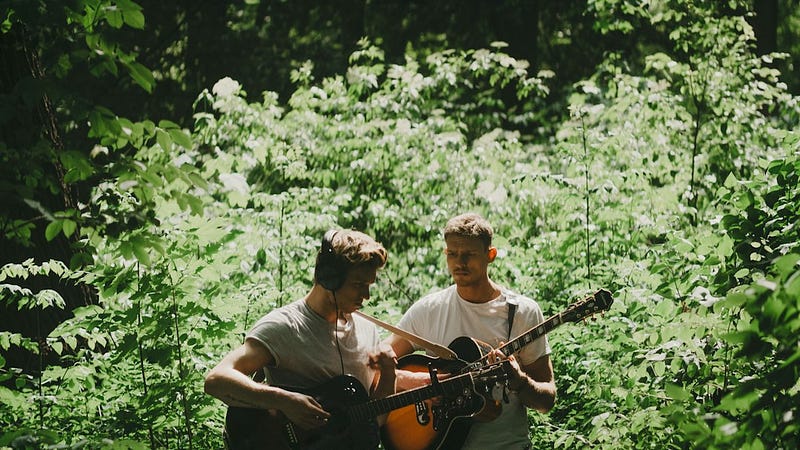
Covers help us understand the community and universality of music. In addition to live shows, covers are an excellent way for artists to share and celebrate music. I’ve already written about how songs live forever through covers. In this piece, I want to highlight artists who decided to cover each other’s music.
This phenomenon is captivating because it involves two artists intentionally covering one another. These artists are trading songs — a cover for a cover. Not only are these instances less common nowadays, but the sincerity in this transaction is special. Most musicians consider their songs to be like their children. Like giving your kid to school to educate them or a babysitter to look after them, allowing another artist to cover your song represents mutual respect between artists. In this sacred sharing of music, artists open a window to one another where they see and applaud one another’s talents enough to share the spotlight and even a song.
Throughout this piece, I will share four cover-sharing instances. In each case, I will discuss the two covered songs and the moment that led to the covers themselves.
The Lumineers And Gregory Alan Isakov
The two folk music veterans have a shared history in their label, Dualtone Records. Thanks to that relationship, the acts have toured with one another and visited one another shows. Therefore, when Dualtone Records decided to create a 20th-anniversary album and tapped their current and former artists to send in music for the album, the Lumineers and Gregory Alan Isakov gladly came on board. Some songs on the project were originals, and others were covers. Interestingly, The Lumineers and Isakov decided to do covers of each other’s music. In the lead-up to the memorable label album, the two acts spoke fondly of one another and their history together on the road, enjoying each other’s music.
Now, for the covers themselves.
Let’s start with “Caves”. The original version from Isakov was a brooding rockish folk anthem. Wesley Schultz from the Lumineers wrote that witnessing Isakov play live at the Red Rocks blew him away. In their version of the tune, however, they reduced the song’s intensity to a more mellow and subdued approach. The song, in effect, stayed more in the folk and americana realm but kept its progressive production style and theme about reconnecting to our inner selves when in nature.
With “Salt And The Sea,” Osakov dragged the tune down into this murky and dark place, excellently encapsulating the song’s depressing themes. The Lumineer’s version of “Salt And The Sea” is a breathtakingly gorgeous folk tune that prioritized the track’s vibrant songwriting. On the other hand, Isakov prioritized the song’s vibe, adding haunting echoes in the background and amplifying the drums so they have a deeper, more cavernous feel about them. In return, the protagonist’s story in the song about trying to help a friend in need strikes more effectively.
Noah Kahan and Olivia Rodrigo
Noah Kahan and Olivia Rodrigo are both young stars in their respective genres. After the success of his third album, Stick Season, Kahan has been celebrated as the latest golden boy of pop-folk music. Bringing the roots genre to Gen Z wasn’t easy, but Kahan was the artist who got it done thanks to his viral single “Stick Season”. Steeped in its insecurities, the saddening tune finds Kahan reminiscing about a past lover in his home state of Vermont. Meant to be more for Kahan’s personal growth than commercial success, Kahan has repeatedly stated how unexpected the song’s success has been.
It was so successful Gen Z pop star Olivia Rodrigo covered it herself.
In her gorgeous rendition of the song in October 2023 at her BBC Live Lounge performance, she sang the song with a tremendous and morose tone. Her vocals lend themselves well to folk music, to the surprise of many listeners, including Kahan. He was so happy with what he heard he went to TikTok and enthusiastically stated, “It’s her song now. I’d give her my entire discography, thank you so much”.
Kahan didn’t just give Rodrigo kind words either — he repaid the favor in full with a full cover of his own.
Interestingly, Kahan selected a deep album cut, “Lucy,” to cover. The song is a dream pop tune about feeling jealous of a girl who Rodrigo felt was prettier than her and who attracted the men she wanted. During his BBC Live Lounge Performance, the folk artist, with the support of Tiny Habits, completely transformed the song from glossy synth pop to raw bluegrass confessional. In this daring sound change, Kahan embodied the song’s theme with intense emotion and heartbreaking intimacy.
In this remarkable and unpredictable exchange of songs, we witnessed two young stars expand their range and gain approval from fans on the opposite side of the genre aisle.
Drake and Ye
Despite the two rap icon’s tumultuous and complicated relationship, they have a mutual respect for one another’s musical talent. When Ye announced that Drake would assist him with a Larry Hoover benefits concert in Los Angeles, most fans thought he was exaggerating. However, the event took place and exceeded our greatest expectations. In addition to the Verzuz-esque hit-for-hit format of the fabulous live show, both artists covered one song of the other.
Let’s start with Ye. For his pick, he chose a Drake song he wrote and produced — “Find Your Love.” Crooning in typical imperfect yet endearing Ye fashion, the rap and fashion mogul sang passionately over the modern beat-heavy R&B hit. Even though he mumbled some words, the energy and passion in his performance were undoubtedly there. It was also sweet to see Drake groove back and forth in celebration of the tune.
While Ye’s song choice was unsurprising, Drake’s pick was welcomed and unpredictable. He chose a new song off Ye’s recently released gospel-hip-hop opus, Donda. The epic album caused a summer of media frenzy due to Ye’s climatic stadium shows, where he developed the project over three months right before our eyes. Drake didn’t pick one of the standard hip-hop tunes like “Believe What I Say” or “Hurricane.” Instead, he chose to cover the soulful ballad “24.” With well-trained vocals and concentrated practice, Drake performed remarkably well and did the song justice for the 70,000+ people watching live and millions watching via the Amazon livestream.
Drake and Ye have a long-standing beef going on, but it felt amazing at that moment to have them show unrestrained love and appreciation for one another’s music.
Say Anything and Saves The Day
Both trailblazers in the punk scene, Say Anything and Save The Day, celebrated their longevity with a 2014 co-headlining tour alongside Reggie and The Full Effect. Say Anything was promoting the 10th anniversary of their critically acclaimed emo album …Is A Real Day. Meanwhile, Saves the Day’s was celebrating the incredibly influential pop punk classic Through Being Cool. The two band’s decision was supported by their label Equal Visions Records to whom they were both signed. To build hype for the multi-month fall tour the bands decided to cover one another songs from the anniversary albums they were touring.
When Say Anything’s singer Max Bemis covered “Vandal” he did it more than justice (You could hear it in this article). In his outstanding acoustic cover, he took those diaristic lyrics and heightened their emotional power by decluttering them from the original’s loud instrumental. Instead, he made the song simple with just voice and guitar, and the results were outrageously excellent. The angular vocals strike a chord in the soul much quicker when matched against the provocative acoustic strings. In his cover, heartbreak left the listener feeling all the more vulnerable.
Meanwhile, Save The Day’s Chris Conley delivered a breathtakingly beautiful acoustic version of “Belt”. Centered around Bemis’s vision for success, the covered version feels more motivational, and the stories sound much more intimate. By the end of the song, when Conley is cry-singing about their friends meeting up you can’t help but wipe away the tears for all the sacrifices made to achieve one’s dreams.
Thank you so much for reading! How did you like the covers? They were pretty cool, right!?
Do you have any favorite cover sharing stories you’d like to share? Feel free to let us know in the comment section below. :)


