
When Age Comes Alone
After years as a happy singleton, I’m starting to think about aging alone
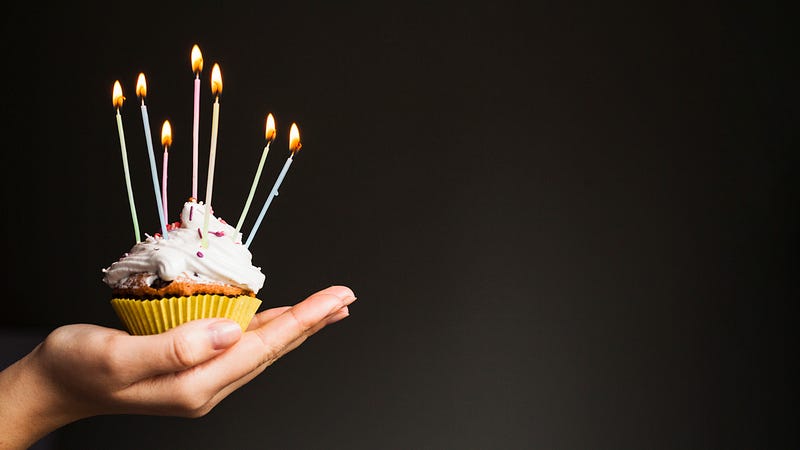
I celebrated my birthday this month. I’ve lived enough years that 40 is now far behind, and the idea of 60 just becoming visible on the horizon. I’m in that halfway place, between the young woman I was and the older woman I will become.
In this place, on that day, I chose to think.
Not about life after corona, or how I would normally have celebrated with friends and family, or gone away on holiday.
I thought about aging alone. Becoming 70, 80, even 90. Living by myself as I have at 30, 40, 50.
Women, this is our future. In the 2010 US census about 13% of the US population was 65 or over; that percentage is growing faster than the overall US population. In 2010, 7.5 million women were over 75, and over 1 million in their nineties. These numbers are growing too; who knows what the 2020 census will say. The good news is that while we are living longer, we are also living better. But few of us are lucky enough to live well until our last day, then die suddenly and peacefully. I can’t count on that. I need a plan.
I have lived happily single more or less continuously since my 30’s. I make my own decisions and live my own adventures. I even wrote a book about how to live a fulfilling life on your own. I have few regrets.
None of that precludes worrying about the future. We’re a long-lived family, and I want all of my years to be good ones. As I age I expect to keep my connections, mental and physical, with other people. Call me greedy: I want my future life to look and feel much like my current life.
Alone is not lonely
Solitude is not the same as loneliness. I love the first and fear the second.
Loneliness in the elderly can be life-threatening. Read the studies: loneliness leads to depression. Loneliness is bad for your health. Loneliness can shorten your life, with an impact close to that of smoking.
Solitude is healthy. Alone, you can hear yourself think, find your own voice. Solitude is a choice. You may choose, as I have, to spend time with yourself just as you would choose to spend time with friends or family.
Running in (social) circles
The ‘right’ number of friends is different for each of us. What matters is the strength. Strong social networks make for longer, healthier lives. A fascinating 70+ year study from Harvard confirms that, regardless of your current economic status or your socio-economic background, having a circle of friends and family is one of the hallmarks of a good life, well into old age.
My close friends are spread across the globe: US, UK, Switzerland. Some of us may move again, back to our countries of origin, as we age. We will always connect by video, phone, or whatever technology comes next. But I can’t count on them to be close enough to see or go out with regularly.
I am slow to make close friends. Will I find new ones as I get older? I have no answer yet.
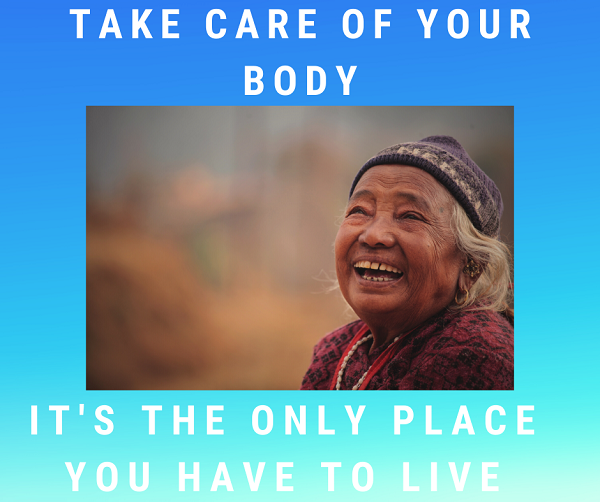
My Body Matters
I think about the practical aspects to living alone.
In daylight, I picture myself growing herbs and vegetables on my balcony, preparing meals for friends, completing my little craft projects: in short, living much as I do now, older and perhaps a bit slower.
Nighttime brings a darker view. I picture myself living alone in my eighties, tripping and falling, no one around to help. I remember the old US LifeAlert commercial, and the line ‘Help, I’ve fallen and I can’t get up!’ The commercial is campy but the problem is real.
Designing the Future
I’m the planning type. I do what I can to prepare.
My home is a one-level flat with access to my city’s excellent public transportation system right outside my door. I have considered co-housing, sharing a flat with a friend, even (gasp!) getting back into dating and looking for a man with whom I could live. None of these feels right for me, at least not now. I continue to value the peace and quiet of a solo home.
I try to eat well and, except for a powerful chocolate habit, I do. Vitamins and minerals? Yes, every day. Doctor and dentist visits? Yes, checkups every year. I have an advance medical directive and my health care proxy knows what I want.
Regular exercise? Well, yes, sort of. In these corona days, exercise means walking around my flat for 30 mins each morning doing arm curls with the free weights I bought years ago. I hope to start long walks outside again soon. Why live in Switzerland if you don’t enjoy the countryside?
I attend lectures and concerts, participate in neighborhood groups, do whatever I can to stimulate my social brain as well as my body. If we grow old because we stop playing, I play to stay young. I write. I work. I try new hobbies. I do my best to stay connected, to have friends and acquaintances of all ages.
Beyond that, all I can do is wait. Live each day well. Be happy. And look forward to my next birthday.


