
When a Politician Gunned Down a Newspaper Editor and Got Away With It
The current political climate of rancor and nastiness is nothing new
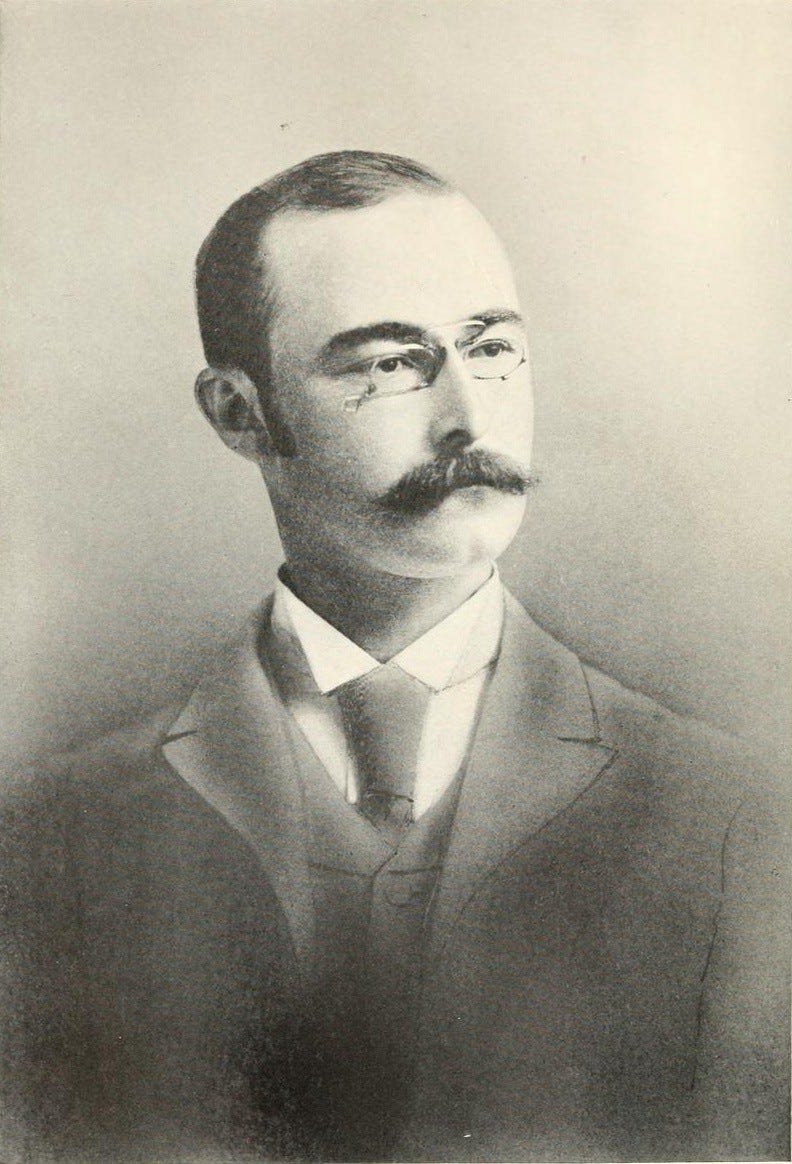
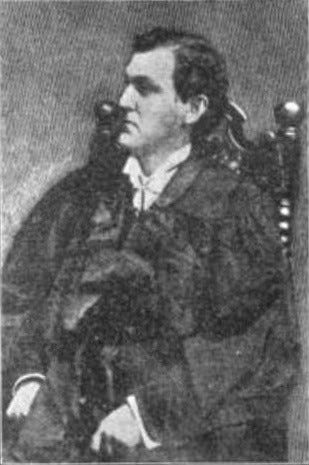
In 1903 a politician shot and killed a South Carolina newspaper editor on the statehouse steps in broad daylight. He was acquitted by a jury who said he had a right to defend his honor.
A lot of journalists, myself included, are not happy with the rancor in news coverage as well as the blatant bias. The mistrust of the media is well-founded and the media can only blame itself.
The idea of an unbiased news organization is a fairly new development in reality, and it may be on the back burner again as we try to deal with the Internet and the changes that have brought.
The first newspapers were created to promote political parties, ideologies, or other causes. The idea of objectively reporting the news did not get started until well into the 1900s.
The term “yellow journalism,” which means sensationalized news, comes from the early days of newspapers in our country. Some of the papers were printed on a yellowish type paper, and they were political rags. They had no interest in informing the citizenry but were pushing an ideology or their own version of the truth. Making up stories was common.
Take a look at CNN and Fox News today and you will see the same pushing of ideology and slandering of the other side. We have much more access to more information than people would have dreamed 100 years ago. Even with our advances not much has changed.
The crime of the century
As nasty as politics is now, we still don’t have shootouts on the capitol steps. There was one in 1903 in South Carolina when the Lt. Governor shot the editor of the state’s largest paper on the Statehouse steps in broad daylight.
This was the culmination of a long-running feud between a couple of families and political ideology.
At about noon on Jan. 15, 1903, Lt. Gov. James Tillman caught newspaper editor Narciso Gener Gonzales leaving the statehouse for lunch. Tillman shot him at point-blank range in the stomach with a handgun, and Gonzales died four days later.
Gonzales had started the State newspaper a few years before that fateful day and it grew quickly into the largest most respected paper in the state. Part of that was due to Gonzales and his fiery editorials. He knew no fear, and he particularly did not like Tillman. Gonzales represented the establishment. He was a son of the planter class, a descendent of a Cuban revolutionary, and his ancestors fought for the South in the Civil War.
Tillman represented what was then a new party, which was aimed at promoting the middle class, which hardly existed at the time. This was the Gilded Age when a few people had all the money, and then there was everyone else. It was called the “Farmers Party.”
Gonzales had feuded with Ben Tillman for years, and James Tillman was a relative political newcomer and the nephew of Ben Tillman. Gonzales cut him no slack and attacked immediately.
James Tillman had run for Governor the previous November and had lost handily. His days at the statehouse were numbered, and he blamed Gonzales.
Tillman’s trial was in Lexington County, the next county over and just across a river. A jury of 12 men acquitted Tillman, ruling that Gonzales had provoked him enough and that Tillman had justification for shooting him.
I don’t see that happening today, but it does show that political animosity has been with us for a long time. Or we can say, not much has changed.
We have a lot more information now, and access is very easy. We see a lot of people battling to control the dialogue and the narrative. Maybe there will be a shootout on the capitol steps before it’s over. Only time will tell.