avatarAndrew Zuo

Free AI web copilot to create summaries, insights and extended knowledge, download it at here

3956

Abstract

need.</p><p id="c32c">This is the magic of serverless.</p><div id="7e42" class="link-block"> <a href="https://readmedium.com/is-serverless-worth-it-f0d8acc6daad"> <div> <div> <h2>Is Serverless Worth It?</h2> <div><h3>A Comparative Analysis Of Serverless Services</h3></div> <div><p>medium.com</p></div> </div> <div> <div style="background-image: url(https://miro.readmedium.com/v2/resize:fit:320/0*Rby9owq4izDLKi4s)"></div> </div> </div> </a> </div><p id="d8a1">And, honestly, I’m surprised it hasn’t taken off earlier. It really only took off in 2014 with the arrival of AWS, but apparently there were previous serverless offerings such as Google App Engine in 2008.</p><p id="9d1e">Don’t know why it took that long. Servers are expensive and wasteful. Now with serverless you can get compute and storage for insanely cheap, even free in many cases. Plus you get ridiculous uptime guarantees.</p><p id="38f7">So, when people talk about how much power serverless is using they’re asking the wrong question. They should be asking how much power is serverless saving. Because can you imagine every person that uses serverless computing switching to their own server? Using a server that is probably complete overkill? It would use a ton of energy.</p><p id="e349">Now there is a complaint that serverless does encourage people to use more resources because it’s so cheap. And, honestly, yeah. If I didn’t have Firebase for free I wouldn’t be using a server. But I am just a small potato compared to the bigger companies. My usage is probably a rounding error as far as Google is concerned.</p><p id="2f8b">And it’s because of serverless that many companies could take off. Because it’s so cheap to get started. Do you think Slack, Twilio, Netflix, or Robinhood could have existed if it weren’t for serverless? Maybe. Maybe not. Is that worth the 1% energy consumption?</p><p id="dd8d">At least it produces something of value, unlike some other computing services.</p><div id="3641" class="link-block"> <a href="https://readmedium.com/stop-fooling-yourself-bitcoin-is-not-green-6ad4b8fa8881"> <div> <div> <h2>Stop Fooling Yourself: Bitcoin Is Not ‘Green’</h2> <div><h3>So I recently wrote this article that talked about how Bitcoin is going to die in 2022:</h3></div> <div><p>medium.com</p></div> </div> <div> <div style="background-image: url(https://miro.readmedium.com/v2/resize:fit:320/0*iQnj1jTdeswE9ihP)"></div> </div> </div> </a> </div><h2 id="cfb2">CDNs</h2><p id="ce9b">Now there are other uses for data centers. Mostly CDNs. I couldn’t get an exact number of how many data centers are used for CDNs. They appear much smaller but there are a lot of them. Cloudflare says they operate data centers in over 285 cities.</p><p id="530d">Although you could make a similar argument for Cloudflare. Using CDNs means the main server has to do less work and the user has to spend less time idle. It’s not as obvious to see as traditional servers, but I’d expect it’s a win.</p><h2 id="426d">Energy Impact</h2><p id="4230">Also another note on energy impact. There are some pretty creative methods people are using to reduce the impact servers are having. Most notably pumping heat from servers to heat things like pools.</p><div id="df9c" class="link-block"> <a href="https://www.theverge.com/23641207/data-center-pools-united-kingdom-energy-cost-saving"> <div> <div> <h2>The Verge</h2> <div><h3>Installing a mini data center could become a more sustainable way to heat public swimming pools in the UK. One data…</h3></div> <div><p

Options

www.theverge.com</p></div> </div> <div> <div style="background-image: url(https://miro.readmedium.com/v2/resize:fit:320/0*nO_qh0reNPcKLUPm)"></div> </div> </div> </a> </div><p id="ef7f">It’s not a huge efficiency boost, but it does save on heating costs. There are also plans to put data centers in people’s homes. Now this is obviously a security risk. Maybe a CDN which you don’t really care that much if it goes down, but definitely not a data center for serverless.</p><p id="a6cc">Also apparently Microsoft is putting data centers underwater.</p><div id="ea4d" class="link-block"> <a href="https://news.microsoft.com/source/features/sustainability/project-natick-underwater-datacenter/"> <div> <div> <h2>Microsoft finds underwater datacenters are reliable, practical and use energy sustainably - Source</h2> <div><h3>Earlier this summer, marine specialists reeled up a shipping-container-size datacenter coated in algae, barnacles and…</h3></div> <div><p>news.microsoft.com</p></div> </div> <div> <div style="background-image: url(https://miro.readmedium.com/v2/resize:fit:320/0*WYev3DCBo_Oafhc7)"></div> </div> </div> </a> </div><p id="a716">Now that’s innovation.</p><h2 id="7f32">Water Usage</h2><p id="b408">One more thing. Another topic I wanted to touch on is things like water usage. Honestly, I think this is more of a government problem than a data center problem. You can put the data center wherever you want, the only cost is a few milliseconds of latency per thousand kilometers. 1000 km is about the width of Germany (north to south). So just put the data centers in the middle of nowhere. No one will mind. Well, maybe the high-frequency traders. And maybe the video game streaming guys. But I doubt there are that many of them.</p><h2 id="d087">Conclusion</h2><p id="dfef">I think data centers are one of the greatest advances in the 21st century. How many apps would we not have if they did not exist? I really don’t like it when people talk badly about data centers because they’re so useful. And what’s the alternative? Everyone having their own server which would likely use much more power, most of it wasted.</p><p id="d86f">And in the future it’s possible that they will be even greener than they already are due to improved heat pump technology and more efficient ARM and RISC-V chips.</p><p id="7161">The future is bright for data centers. I only hope it would be as bright for other technologies.</p><p id="6605">If you liked this article consider following me on one of my publications: <a href="https://medium.com/the-rest-of-the-story">The Rest Of The Story</a> (<a href="https://medium.com/feed/the-rest-of-the-story">RSS</a>) or <a href="https://medium.com/lost-but-coding">Lost But Coding</a> (<a href="https://medium.com/feed/lost-but-coding">RSS</a>). You can do so with my RSS reader Echo available one <a href="https://apps.apple.com/us/app/id6445805598?platform=iphone">iOS (and Apple Silicon Macs)</a> and <a href="https://play.google.com/store/apps/details?id=com.amorfatite.keystone">Android</a>.</p><div id="d539" class="link-block"> <a href="https://andrewzuo.com/membership"> <div> <div> <h2>Join Medium with my referral link - Andrew Zuo</h2> <div><h3>Read every story from Andrew Zuo (and thousands of other writers on Medium). Your membership fee directly supports…</h3></div> <div><p>andrewzuo.com</p></div> </div> <div> <div style="background-image: url(https://miro.readmedium.com/v2/resize:fit:320/0*tw6RT9A34vAkRsZX)"></div> </div> </div> </a> </div></article></body>

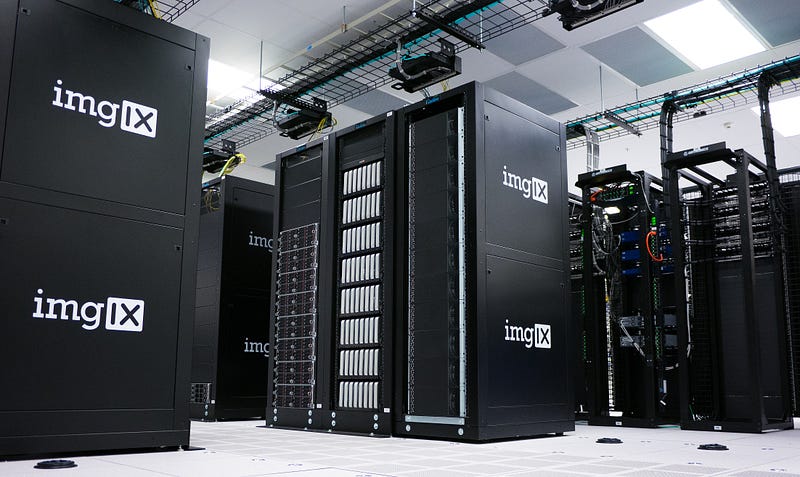
Photo by imgix on Unsplash

What’s With All The Data Center Hate?

I thought of writing this a long time ago. But then the hate for data centers died down a bit and I forgot about the whole thing. But then I read this article.

It says:

Ireland, my home, is well-known to not just be a tax-haven but also a data centre haven. In fact, according to the RTE, electricity consumption increased by 32% from 2020 to 2021 alone. Data centres are now consuming more electricity than all of Ireland’s rural homes put together.

Now that sounds bad. But then you realize that Ireland only has a population of about 5 million people. Apparently there was some potato famine or something.

The population of Ireland is incredibly small. To put Ireland’s population in context, the city of London has almost 9 million people in it, that is 80% higher than all of Ireland, in one city.

In fact the article goes on to mention data centers use a very low amount of data relatively speaking.

“Globally, the electricity consumption from data centres is about 1%. Relatively benign, almost negligible, when you think of the huge benefits that they enable across our society,” Deane says. But in Ireland today, data centres account for 14%. — Dr. Paul Deane, research fellow at the MaREI Centre for Marine and Renewable Energy and the Environmental Research Institute at UCC

But if you were reading the linked article you’d think that data centers are the devil. And in my opinion, that’s a really unfair characterization. And here’s why.

Economies Of Scale

So I once worked at a company that maintained its own servers. And it was so expensive. Like one server cost thousands of dollars. And it probably wasted a bunch of electricity. I told them to go serverless, but they didn’t listen to me.

So I know just how wasteful servers are. So wouldn’t it make sense for everyone to just share servers? That way if one entity needs less resources or their app is mostly used during a certain time of the day they’re not constantly using resources that you don’t need.

This is the magic of serverless.

And, honestly, I’m surprised it hasn’t taken off earlier. It really only took off in 2014 with the arrival of AWS, but apparently there were previous serverless offerings such as Google App Engine in 2008.

Don’t know why it took that long. Servers are expensive and wasteful. Now with serverless you can get compute and storage for insanely cheap, even free in many cases. Plus you get ridiculous uptime guarantees.

So, when people talk about how much power serverless is using they’re asking the wrong question. They should be asking how much power is serverless saving. Because can you imagine every person that uses serverless computing switching to their own server? Using a server that is probably complete overkill? It would use a ton of energy.

Now there is a complaint that serverless does encourage people to use more resources because it’s so cheap. And, honestly, yeah. If I didn’t have Firebase for free I wouldn’t be using a server. But I am just a small potato compared to the bigger companies. My usage is probably a rounding error as far as Google is concerned.

And it’s because of serverless that many companies could take off. Because it’s so cheap to get started. Do you think Slack, Twilio, Netflix, or Robinhood could have existed if it weren’t for serverless? Maybe. Maybe not. Is that worth the 1% energy consumption?

At least it produces something of value, unlike some other computing services.

CDNs

Now there are other uses for data centers. Mostly CDNs. I couldn’t get an exact number of how many data centers are used for CDNs. They appear much smaller but there are a lot of them. Cloudflare says they operate data centers in over 285 cities.

Although you could make a similar argument for Cloudflare. Using CDNs means the main server has to do less work and the user has to spend less time idle. It’s not as obvious to see as traditional servers, but I’d expect it’s a win.

Energy Impact

Also another note on energy impact. There are some pretty creative methods people are using to reduce the impact servers are having. Most notably pumping heat from servers to heat things like pools.

It’s not a huge efficiency boost, but it does save on heating costs. There are also plans to put data centers in people’s homes. Now this is obviously a security risk. Maybe a CDN which you don’t really care that much if it goes down, but definitely not a data center for serverless.

Also apparently Microsoft is putting data centers underwater.

Now that’s innovation.

Water Usage

One more thing. Another topic I wanted to touch on is things like water usage. Honestly, I think this is more of a government problem than a data center problem. You can put the data center wherever you want, the only cost is a few milliseconds of latency per thousand kilometers. 1000 km is about the width of Germany (north to south). So just put the data centers in the middle of nowhere. No one will mind. Well, maybe the high-frequency traders. And maybe the video game streaming guys. But I doubt there are that many of them.

Conclusion

I think data centers are one of the greatest advances in the 21st century. How many apps would we not have if they did not exist? I really don’t like it when people talk badly about data centers because they’re so useful. And what’s the alternative? Everyone having their own server which would likely use much more power, most of it wasted.

And in the future it’s possible that they will be even greener than they already are due to improved heat pump technology and more efficient ARM and RISC-V chips.

The future is bright for data centers. I only hope it would be as bright for other technologies.

If you liked this article consider following me on one of my publications: The Rest Of The Story (RSS) or Lost But Coding (RSS). You can do so with my RSS reader Echo available one iOS (and Apple Silicon Macs) and Android.

Data Center
Serverless
Cdn
Data Centre
Cloud Computing
Recommended from ReadMedium