
What's the Right Room Temperature for a Baby?
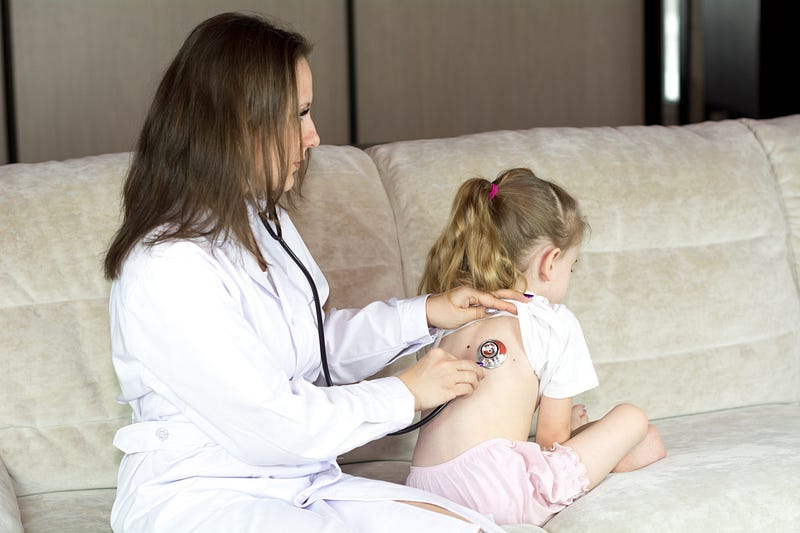
"When the bedroom is excessively hot or cold, achieving a good night’s sleep becomes challenging, a concern shared by both babies and adults alike.
Determining the appropriate room temperature for your baby is crucial for ensuring their safety and well-being.
The Best Room Temperature for Babies
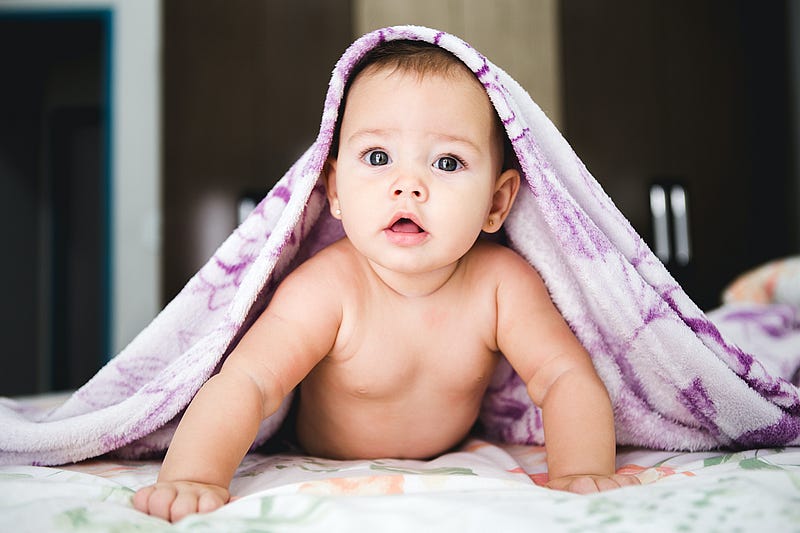
Since your baby can’t articulate their comfort level, it’s your responsibility as a parent to maintain the appropriate room temperature for them.
Striking a balance between a room that’s not too hot or too cold is crucial for their well-being. The recommended temperature for babies ranges between 68 to 72 degrees Fahrenheit (20 to 22 degrees Celsius).
Due to their small size and ongoing growth, babies are more susceptible to temperature variations.
However, around 11 weeks of age, babies' bodies start regulating temperature at night, similar to adults.
They reach a minimum core body temperature of 97.5 degrees Fahrenheit within four hours of bedtime.
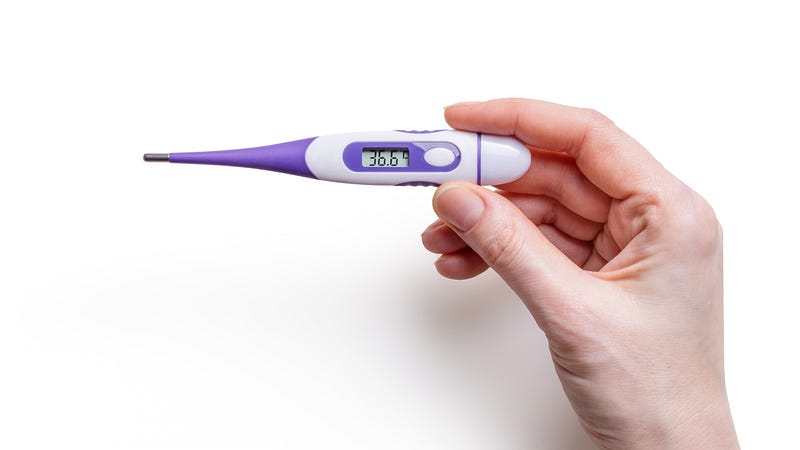
If the room lacks a thermostat, you can use an indoor thermometer to monitor the temperature in your baby's room.
Yet, constantly monitoring or maintaining heating/cooling throughout the night might not be necessary if your baby is appropriately dressed for the weather.
Both babies and toddlers generally find the same room temperature comfortable as adults.
Occasionally, your baby may require an extra layer, but dressing them similarly to yourself neither too hot nor too cold should suffice.
Why the Right Temperature Is Important
Many parents believe that keeping their baby excessively warm and bundled is necessary, but this notion is not entirely accurate.
It’s more critical to maintain a stable and moderate temperature for your baby, avoiding extremes of heat or cold.
In fact, the risk of sudden infant death syndrome (SIDS) increases when a baby becomes too hot. Although children are susceptible to SIDS throughout their toddler years, the highest risk period is within the first six months of life.
Overheating has been associated with SIDS, so it’s vital not to overbundle your baby, particularly in the winter. During warmer months when the outside temperature exceeds 70 degrees Fahrenheit, aim to keep their room cool.
Some evidence suggests a correlation between high environmental temperatures and SIDS.
How to Regulate Your Baby’s Temperature
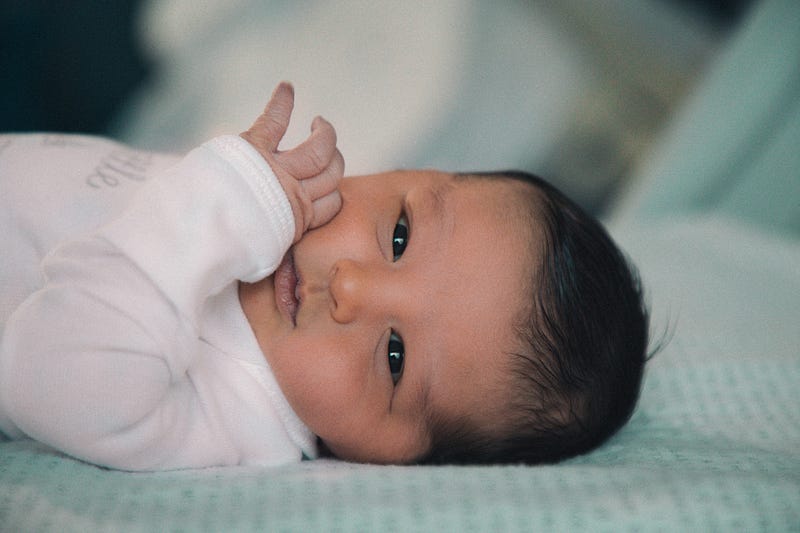
Many parents swaddle or wrap up their baby for sleep, but it’s not always necessary. Over-bundling a baby with too many blankets or wrapping them too tightly can heighten the risk of SIDS.
Instead, opt for minimal bedding in their crib and consider using a lightweight sleep sack to ensure their comfort. Never use hot water bottles or electric blankets in your baby’s crib.
In Warmer Months
- During warmer weather, your baby won't require as much clothing. Using a fan in their room to circulate air (not directly at the baby) can be helpful. Studies indicate that employing a fan in your baby’s room may reduce the risk of SIDS. If safe, keeping the window or door open can bring in fresh air to maintain a cooler environment.
In Cooler Months
- As temperatures drop, use light, breathable blankets that reach up to your baby’s chest or opt for a light sleep sack. Ensure that their head remains uncovered to lower the risk of SIDS.


