
What’s the Deal With MSG?
Remember when MSG was the horrible food additive to avoid? What’s the real story?
When I was growing up, in the 1990s (and continuing into the early 2000s), I remember hearing all sorts of horror stories about a three-letter chemical that was added to some food: MSG.
“MSG gives me a headache and makes me sick.”
“I have an MSG allergy.”
“I make sure to avoid any food that has MSG added to it, because I hear that it causes all sorts of health problems and makes people ill.”
After a few years, however, all these claims about MSG vanished, and I’ve not heard anything about it for more than a decade — until I saw a recent online discussion post complaining about how the individual’s homemade fried rice never tasted as good as the stuff that they purchased from their local Chinese food take-away.
The top answer in the comments: “You need to add MSG.”
What is this three-letter chemical, and why do we add it to food? Does it simply make Chinese food and other dishes taste more delicious, or are there hidden health risks that we’ve been ignoring?
MSG = Monosodium Glutamate
First, the acronym MSG stands for monosodium glutamate, which is the combination of glutamate, one of the 26 amino acids used as the building blocks for all proteins, with a single molecule of sodium (a component of table salt; remember that salt is one molecule of sodium + one molecule of chlorine, NaCl). In its pure form, MSG is a white powder, a bit like salt or sugar. It’s often used as a food additive, and is available in many stores for purchase.
“If you would add soy sauce to it, you can add MSG.”
MSG is typically used in food as an additive when the chef wants to add more umami flavor — the meaty, rich, savory taste that we associate with a lot of hearty dishes. Umami is one of the basic five components of taste, along with sour, sweet, bitter, and salty.
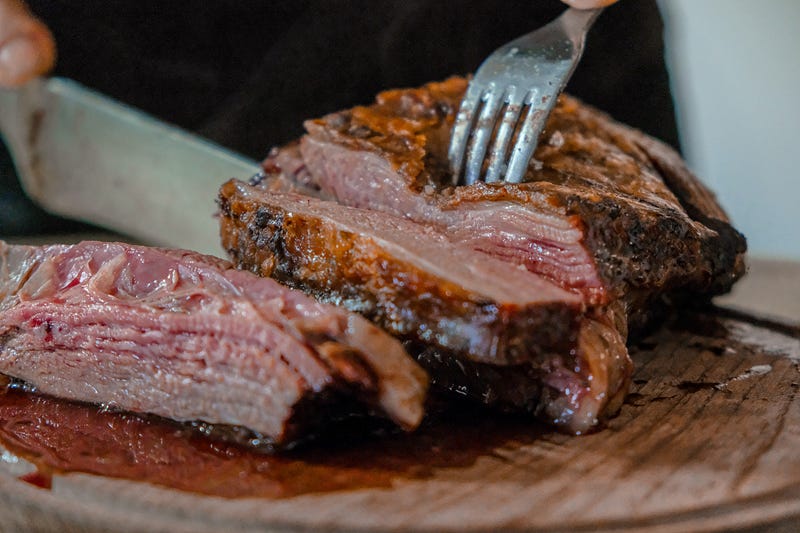
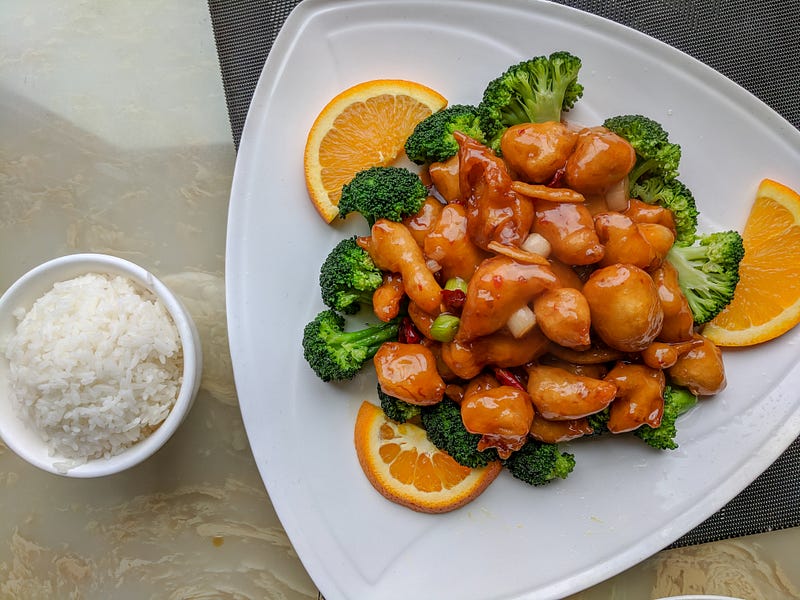
A lot of different dishes have added MSG, especially at restaurants, but the additive is especially prevalent at American Chinese restaurants. It’s added to dishes like Orange Chicken, Beef and Broccoli, and many others, including soups — one general recommendation says that “whenever [one would] add soy sauce, [one should] add MSG.”
“Chinese Restaurant Syndrome”
The trouble with MSG started in the late 1960s, when a Chinese-American doctor wrote a letter to the New England Journal of Medicine, describing a set of symptoms experienced after eating at Chinese restaurants. These symptoms included a headache, a mild fever, and a flushed, reddened appearance. The name “Chinese Restaurant Syndrome” was given to this condition, and the doctor suggested that the additional MSG added to the food may be at fault.
This letter sparked off a series of responses from other individuals, and the notion of a condition caused by consuming too much MSG soon spread throughout the population. Other accounts reported similar symptoms from visiting Chinese restaurants, and the MSG added to Chinese food became the de facto villain.
To adapt, many Chinese restaurants were forced to switch recipes, publishing that they no longer used MSG in their recipes. Thirty years before concern about gluten became widespread, customers would ask at restaurants “does this food contain MSG?” before ordering.
However, aside from individual anecdotes and accounts, there was little evidence connecting added MSG to any of these symptoms. The only scientific study cited was from the 1940s, when MSG was shown to cause problems in rats — but only when provided in absolutely massive doses, in some cases even being injected directly into the rat’s bloodstream instead of being consumed orally. Indeed, the focus on Chinese restaurants as the (falsely declared) sole source of added MSG in food may have been due more to anti-Chinese sentiment during the Cold War, as an acceptable cover for racism and nationalism.
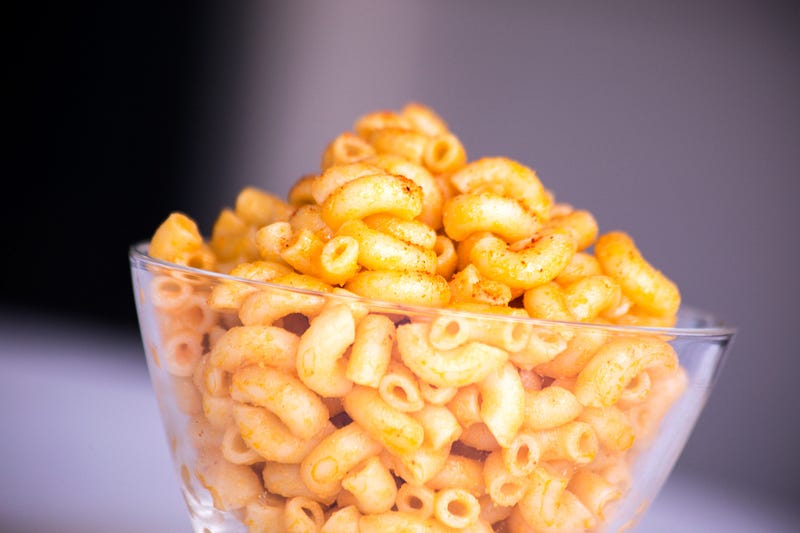
Indeed, while nearly all reported accounts of Chinese Restaurant Syndrome from added MSG came from people who ate at, well, Chinese restaurants, there were no reports from people who ate other MSG-added foods. Since the 1930s, MSG has been used as a popular additive for any shelf-stable food that needs a boost of umami flavor, including macaroni and cheese, canned soups, and even military rations. There weren’t accounts of people getting these same symptoms after consuming macaroni and cheese.
Additionally, most of the symptoms of “Chinese Restaurant Syndrome” — flushed face, headache, mild fever — can also be attributed to other components of the food, namely a very high level of sodium. People who eat a heavy, rich meal containing lots of fat and salt, potentially with a drink or two, will report feeling many of these same symptoms, due not to MSG but simple dehydration.
The State of MSG Today
These days, MSG is largely regarded as harmless for most individuals. The FDA has performed several investigations into MSG and has concluded that the chemical is generally recognized as safe, a classification that puts it in the same level as table salt or sugar. The FDA states that, “although many people identify themselves as sensitive to MSG, in studies with such individuals given MSG or a placebo, scientists have not been able to consistently trigger reactions.” In other words, even when someone claims to be sensitive to MSG, they aren’t able to tell whether a chemical is MSG or not in a blind taste test.
The FDA did find that some individuals experienced the symptoms of “Chinese Food Syndrome” when consuming very high levels of MSG, but this was only after individuals consumed more than 3 grams of MSG at a time. A typical daily intake of MSG in the U.S. is only around 0.55 grams. Additionally, MSG is metabolized in the same manner as natural glutamate — and most people eat around 13 grams of glutamate per day, without suffering any ill effects.
A couple studies have attempted to link MSG to other conditions, such as weight grain/obesity, but the effects were only seen when MSG was injected directly into the brains of laboratory mice. Given that MSG is not capable of crossing the barrier that naturally exists between the bloodstream and the brain, it’s highly unlikely that dietary MSG can get into the brain.
Some chefs have embraced MSG; one well-known Chicago chef even travels with a bottle of MSG to add to his food wherever he eats. After all, as many chefs point out, MSG is present in many different foods, and is metabolized the same as natural glutamate, which is a naturally occurring amino acid.
Many Chinese food restaurants no longer specify that they are MSG free, and most diners no longer ask (gluten has become the more recent de facto “food villain” to be avoided).
If you’re curious, the best (and most scientifically logical) approach is to take matters into your own hands. You can purchase a small shaker of MSG for just a few dollars on Amazon; try adding it to home-cooked food to see if it makes the food taste better, triggers any negative symptoms, or both. One writer at Epicurious tried adding MSG to his food for several dishes; while he reported no negative health effects, he also stated that the seasoning was overpowered by the natural flavors. Cook with the right components, and MSG may not be necessary.
But when you next visit a Chinese restaurant, don’t worry if you see that the food includes MSG. Drink plenty of water, and you should be able to enjoy that delicious sweet and sour chicken without any ill effects.
Sam Westreich holds his PhD in genetics, focusing on methods for studying the gut-associated microbiome. He currently works at a bioinformatics-focused startup in Silicon Valley. Follow on Medium, or on Twitter at @swestreich.
Have a science-related question? Comment to suggest a topic for my next story. Or check out this related story:


