
What’s Next After Covid-19: An Impending Global Water Crisis
The implication of a ‘hydro-political’ war could be on the way
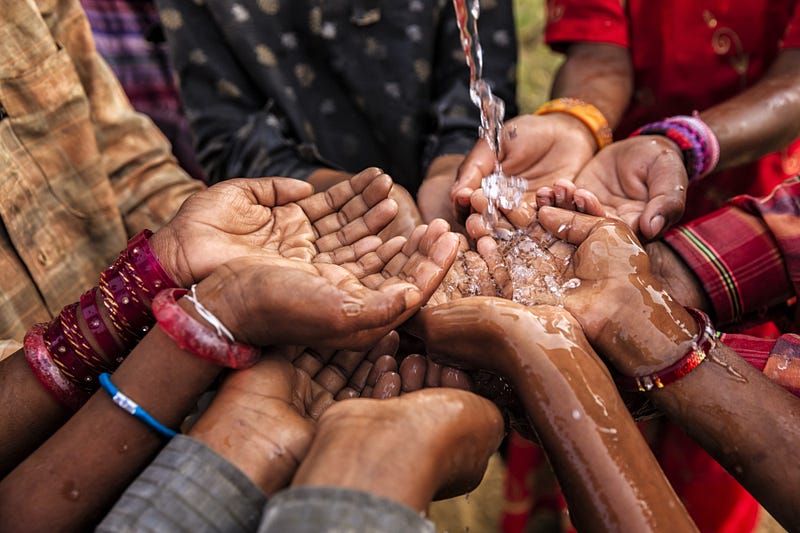
Let me take you back to the time when we’d write about water scarcity and its impact on the world.
Do you remember writing anything back in school for projects or college first-year assignments? I do and being a Sociologist, I have diligently prepared reports on how lack of water can lead to so many issues in the world.
Unfortunately, in a few year’s time, most of what we discussed in those pieces and reports will become true.
Water-wars are imminent
During the last 70 years, the world has experienced unprecedented growth, characterized by an increasing population and economy, coupled with an increased life span and quality of life. All of this has even phased with the growing use of energy, food, and water in a finite world.
Droughts in Somalia, water rationing in Italy, depleting water supplies in India and Bangladesh are what we see on news every now and then. However, what we mindfully don’t think about is that these incidents might soon become the reality of the world once the COVID-19 pandemic ends.
Climate change is warming the planet and many regions around the globe will face extended dry periods and erratic water availability for the longest time.
Who knows maybe water-rich countries could potentially control others’ water supply and before we know it, a massive conflict might be born.
The importance of water bodies thus is not only restricted to our survival but a lot more than we can imagine.
Water fuels nations’ commerce, trade, economic success, and transactions especially among regions where there are both international land and water borders. In fact, water’s role in shaping political relationships among nations goes back centuries.
Given the conflict-prone nature of our society, it won’t be surprising to many if I mention that there could be an increased likelihood of a hydro-political conflict sometime in the future.
The World Economic Forum talks about ‘water-wars’ in the future and discusses — “How likely are the water wars to arise? The researchers put such chances at 75 to 95% in the next 50 to 100 years”
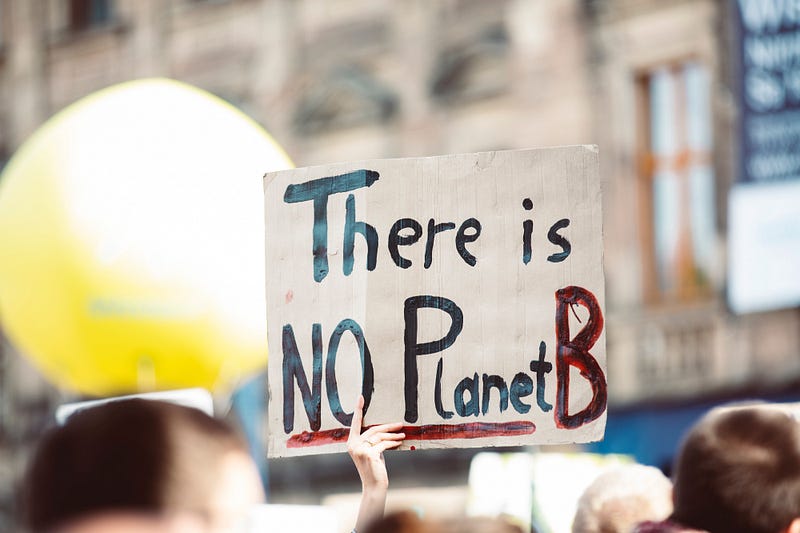
How do we know that a global water crisis is on its way?
The collapse of world peace over ‘water-wars’
In many parts of the world, water bodies run through several countries or are shared among many countries’ international borders.
In Syria, for instance, the worst drought in the history of the country has been partly blamed for the deadly civil war that took so many lives as well as led to the formation of the so-called Islamic State. Such instances are what make people become ‘climate refugees’.
More people = more demand
It’s a super simple equation. The world has seen unprecedented population growth in the last few years and so has our needs as individuals. From jobs to housing to better lifestyle to higher income, our demand for water usage has doubled as well.
This issue has also been exacerbated by rising incomes in the richer countries, because of certain water-intensive products that the richer societies demand. How will we ever satisfy our escalating thirst?
A major health crisis
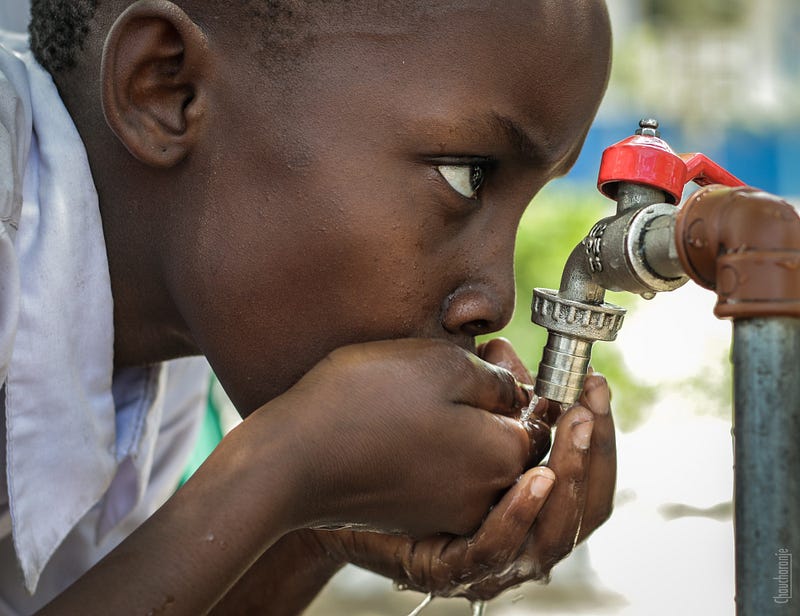
Globally, millions of people lack access to safe water and sanitation. Nearly 1 million people die from diseases due to contamination of water, lack of sanitation, and other hygiene-related diseases. Diarrhea is one of the leading causes of child death in developing countries and this often results from consuming unclean water.
Hence, as you read this article, a child has probably died from water-borne disease and there is nothing we can do about it.
It won’t be long when millions of children around the world will be robbed of a brighter future because of the growing water crisis.
Water waste
Agriculture consumes more water than any other sector in the world and due to inefficiencies in the field, much of the water goes into waste. Even producing energy from fossil fuels have a larger impact on the global water supply than many can imagine.
In many developing countries, it’s cheaper to buy clean drinking water than to treat wastewater, which encourages water waste at an unbelievable rate.
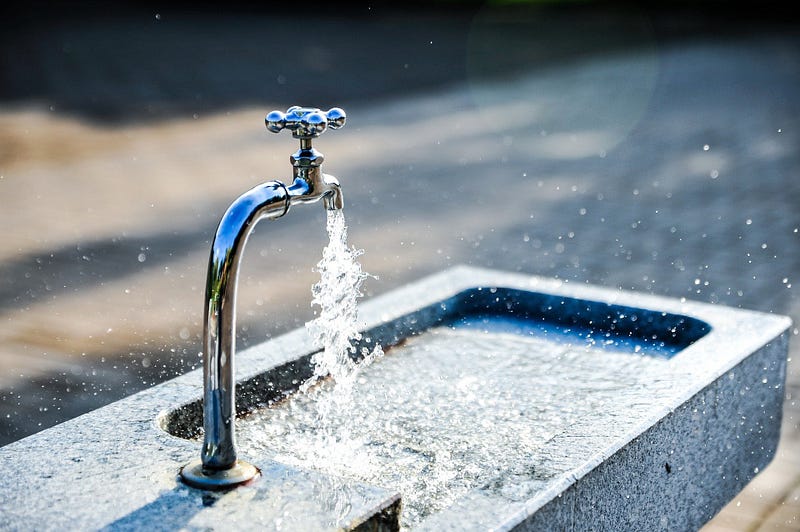
Disappearing groundwater
Around 30% of the earth’s freshwater supplies lie deep underground in the aquifers. One cannot see the groundwater reserves and the water levels down there without the usage of high-end technology.
Imagine that water is repeatedly extracted for daily use such as farming, drinking, and other industrial processes at unsustainable rates around the world. I am not sure about others but this scares me a lot as we don’t even clearly know how much longer we can rely on this process.
This could be one of the scariest aspects impacting the water crisis — as one fine day humanity may wake up to no groundwater anymore.
Matter of life and death
With handwashing being one of the major ways to combat COVID-19, there is little reason to believe that this will work for all societies in the world. You ask why? Think about it, the more we are told to wash our hands, the more we will rely on clean water to get rid of germs from our bodies. But do we even have enough water?
We take water for granted but it is unlike any other commodity on earth.
The scarce it gets, the more difficult it would be to have access to freshwater, and in no time, the water competition will have more losers than winners.
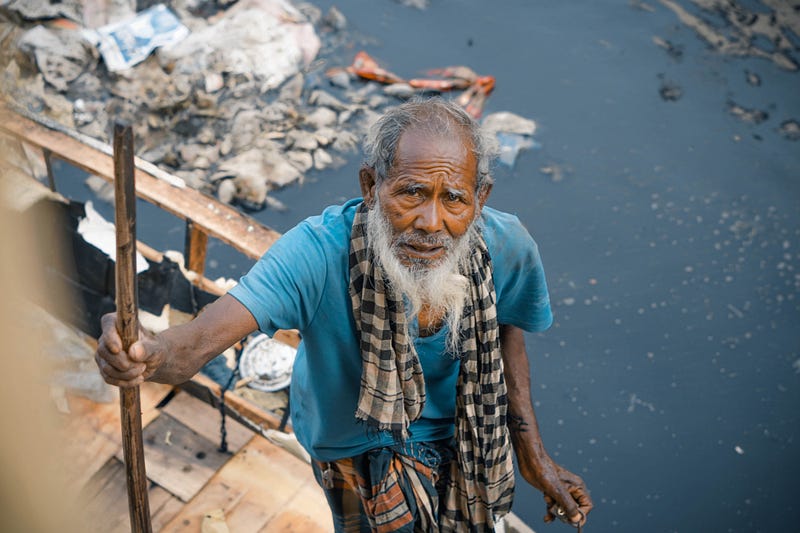
To Conclude
The increase in water demand among regions where access is already strained could give rise to widespread shortages and a global crisis.
Like COVID-19, water scarcity should be considered as a global problem that needs to be addressed now.
Thus to avoid a hydro-political war especially when people are constantly reminded to use water to combat the spread of the coronavirus and an overall healthier lifestyle, the political power of water shouldn’t be sidelined. It has been around for centuries and it is not going to go anywhere soon.
Thank you for reading.