
WRITING PROMPT RESPONSE
What it’s Like Having Four Trash Bins in Your Flat
Recycling German-style
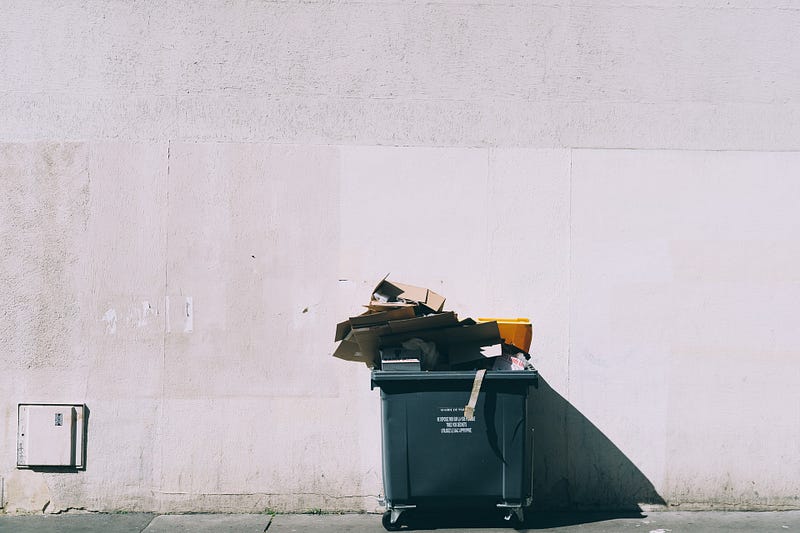
“Does the whole of Germany recycle like this?”
My husband was asking this trying to find out if his wife is a crazy environmentalist who’s going overboard with recycling and the seriousness of the climate issue or if this was really what it’s like living in Germany.
Yes, we do.
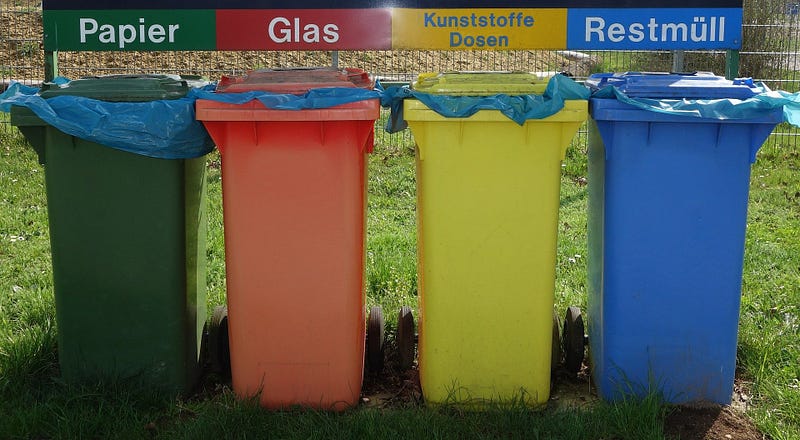
Germans love their four different colored garbage bins. But don’t you dare to throw a piece of plastic into the blue drum. Or putting anything non-biodegradable into the brown one. And remember we have separate containers to recycle glass. One for each color glass.
We can be picky about it. About what goes into which bin and where to recycle the white-colored glass bottles. Batteries and other electronic trash are not going to be placed in your normal bin. Hand them in at recycling stations.
You are confused? I’m pretty sure you are.
How Germans recycle
I don't know where to begin with to explain the complex system of recycling the trash in Germany.
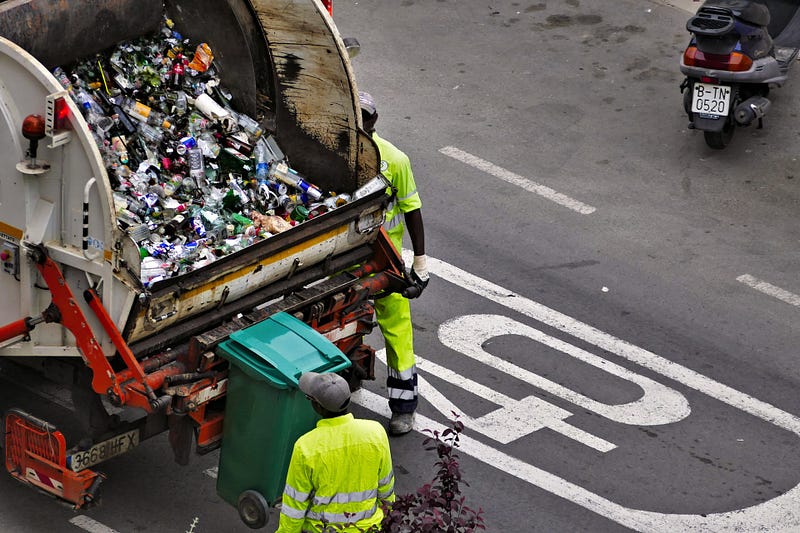
Let’s start with the four trash bins you’ll find in every German household. Because these are the four recycling bins getting collected from four different garbage trucks spread across the month. And in order to throw your trash into them, you’ll need four small bins in your kitchen or wherever else to start separating the moment you produce the trash.
The blue bin
Here goes everything made out of paper inside. All your paperwork, packaging (but don’t forget to remove all the plastic from it beforehand), and paperboard boxes.
Talking about boxes. Don’t you dare to throw boxes as a whole into the big blue bin when sharing your garbage bins with a few other households. They will fill that box before it is going to get collected. And then you destroyed the peace in the house. Rip the boxes apart. Make it flat. Put it nicely into the bin.
The yellow bin
Everything made out of plastic is for the yellow bin. Plastic packaging, bubble wrap, cans, plastic cups, and whatever else you got in the house. But don’t put the plastic where your chicken breast was in, into this bin. Clean the plastic. Clean the cans too. No food waste goes into this bin. Only clean plastic.
Maybe not everyone is doing that. I’m not sure. But my mom raised me like that. To only put clean plastic into the bin. This might be the only part where I am taking it too far. But I would never admit it. And made my husband wash the cans and plastic bags together with the dishes. He’s doing it without arguing now.
The brown (or sometimes green) bin
This is the smelly one. Where all the food waste goes into. Everything biodegradable will go into the brown bin. Unless you have a compost alias garden dump around your house.
The black bin
This is where everything else goes in. From earbuds, meaty plastic packages, clothes, and anything that basically can’t be recycled. But if you’re doing a great job with recycling this trash should be the one barely getting full each week.
Because pretty much anything can be recycled and therefore can be placed in one of the other three bins. Or those places I am listing next.
Glass
We don’t throw glass into the trash bins. Not only to protect the garbage men from cutting themselves on pieces of broken glass but because we recycle them differently. Each village or city, disregarding how small or big it is, has somewhere in town at least one place where glass containers are standing.
To be exact there will be three of them. A white one. For the white (or let’s call it see-through) glass. A green container for the green glass. And a brown one for the brown glass.
Don’t you dare throw them in all together. The ghosts living in the glass fabrics will come to haunt you. I’m sure about it.
Glass & plastic bottles and cans with “Pfand”
While I was talking above about throwing away glass into containers, this only counts for glass jars and those bottles without “Pfand”. “Pfand” is a kind of deposit you pay when buying bottles and crates of beer and other drinks. You pay it on top of the actual price.
And this money you’ll get back when you return these items. Deposit is not only paid on bottles but also on beer cans and crates full of juice or water. It’s a decent amount of money you’re getting for those items.
These days most supermarkets have machines where you simply insert the empty bottles and get a slip with the amount of money you’ll get in return. Use it for your next grocery run or get the money directly from the cashier.
Batteries
Batteries do not get thrown into the normal bin. Alias black bin. No. Also not into the yellow bin. Batteries get recycled separately. Usually, at the information or next to it in supermarkets, you’ll find a small box where you can throw your batteries in. Sometimes schools also have collection points.
Electronic trash
Same as with the batteries. It is not going into one of the four bins you’re having at home. They have to get thrown away at a special place. You’ll have to go to a waste site where electronic trash gets collected. Usually, you pay a small fee for dropping your items.
My experience leaving Germany
Growing up in Germany with a complex system of recycling I simply assumed the entire world was recycling their trash that way. Just imagine how confused I was once I got to a different country and had to throw the banana leaves, the plastic wrapping, and a glass bottle into the same trash bin!
I couldn’t.
I stood in front of that trash bin for a few minutes talking to the holy ghosts looking after the recycling bins asking for forgiveness.
Or something like that.
You don’t even have to go far. France, Italy, the Netherlands or any other European country. They don’t recycle like we do. I am not saying they don’t recycle. I just say they do it differently. So wherever we do go on holiday we have to leave our recycling mindset behind.
When I got to Ghana I didn’t even find trash bins anymore. Not at all. Not on the street. Not in the houses. I would carry trash with me for days. Until I did find something to throw it in. Or I had to burn the trash. As a last resort.
But also living in Namibia, which is actually a developed country, I had to face the issue of having just one bin. Throwing all the trash into one and the same container. Now imagine thinking the other way around. My husband coming from Namibia, being faced with this complex system. It is surely overwhelming.
But he likes it. Because he says “that’s why there is no trash on the streets in Germany”.
Final words
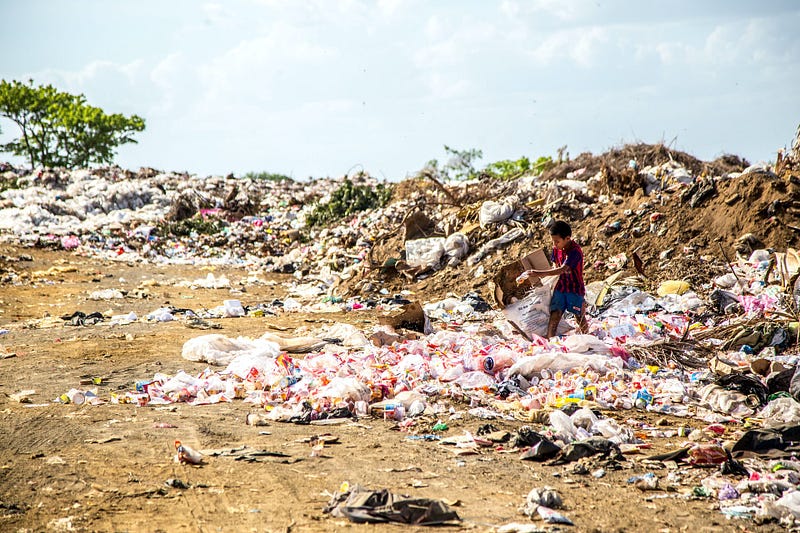
Recycling is an important activity in today’s challenge of facing climate change. While I assumed the whole world is recycling like the Germans do it is for sure not the one and only way to face the issue. But it is definitely a great system.
More important than actually separating the different kinds of trash is in my eyes the system of returning bottles and cans. With this system, you have fewer people throwing empty bottles out of the car and on the street since you get real money back for them.
And even if people do throw them out or into trash bins in the park we have homeless people who collect and return them. Therefore the trash is removed from nature, the bottle is returned and gets reused. And this person got some extra money.
I have a small bin for papers next to the one for plastic in my kitchen. The biodegradable waste goes into a small bucket which I empty regularly so it won’t stink in the house. The black bin is under the sink and rarely ever gets filled. In another corner are standing bottles I need to return. Next to the empty glass jars which I need to drop in the containers in town.
It takes a little extra space. A bit of a system. But I am happy to do it.
To reduce landfills all over the world a good-working recycling system is the key to success. So even if you as a foreigner get confused or overwhelmed by so many bins in German households, it is something I am proud of. It is something I’m proud of being German.
To recycle as we do. To do my part of helping the environment to stay cleaner and recover from piles of trash.
“If you care about the environment and how it will affect mankind, then recycling shouldn’t take a second thought.” — Jeffrey Sanderson
Reduce the amount of trash you are producing to a minimum.
Reuse as many items as often as possible.
Recycle the rest.
Thank you Dennett for inspiring me to write this article. “What do we do for our environment” was the topic of the writing prompt of April. My article comes with a bit of a delay. I hope you all enjoyed the read and thanks again for all those amazing prompts at W&W.
More writing prompt responses…
Join my email list here.


