What’s in your “Feminist” Toolkit?
March is Women’s History Month, and all month long, my blog posts will center around the themes of women and girl’s rights, gender equality, feminism, intersectionality, and the likes. The theme for March’s “What’s in Your Toolkit? is, of course, FEMINISM. Three amazing writers share one item each in their feminist toolkit and how the tool has helped them in navigating through issues around gender inequality and the fight for it. My hope is that as you read the stories of other women and humans just like you, you’d be encouraged to build up your own toolkit or adopt their tools for your kit. In addition, pay attention to the tools you already have and how you can use them to navigate successfully through life.
Feminism/ˈfeməˌnizəm/ noun the advocacy of women’s rights on the basis of the equality of the sexes..
Intersectionality /ˌin(t)ərsekSHəˈnalədē/ noun the interconnected nature of social categorizations such as race, class, and gender as they apply to a given individual or group, regarded as creating overlapping and interdependent systems of discrimination or disadvantage.
Vera Ezimora — Gutsy Storyteller | Conversation Starter | Question Asker | Computer Presser, Verastic
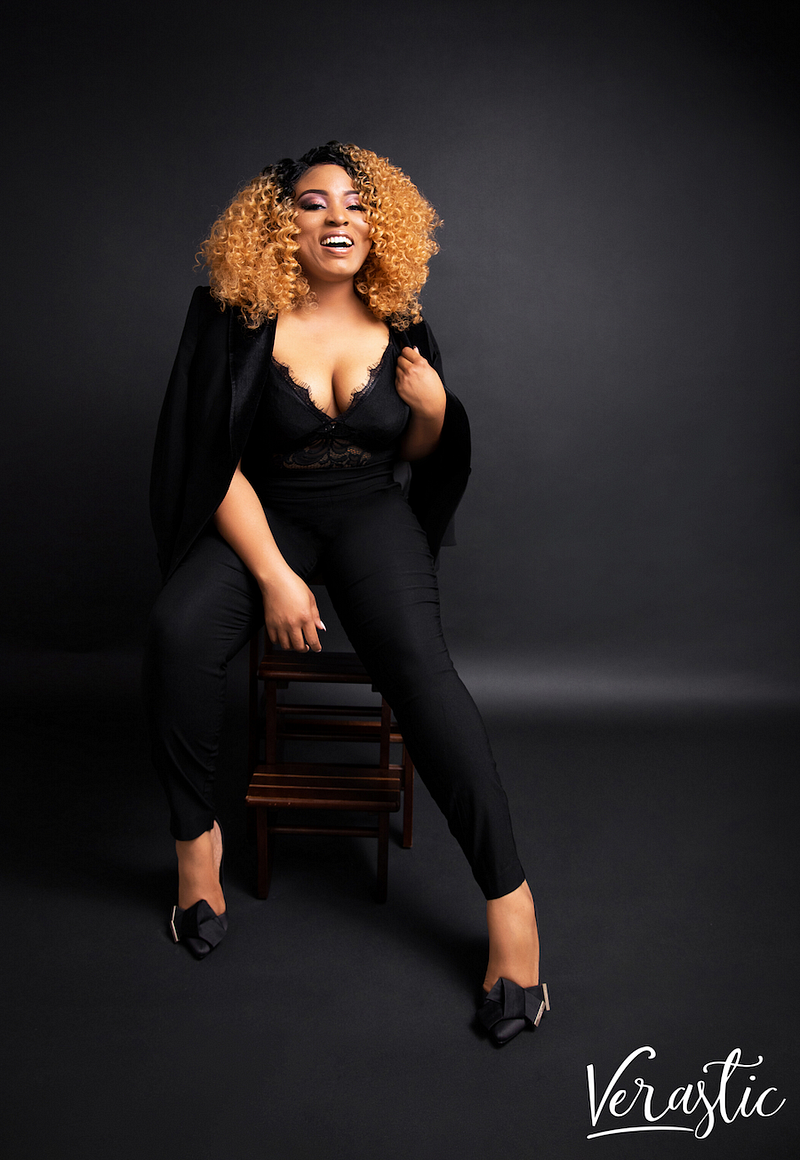
Tool: A woman’s submission has to be earned.
I learned this during my marriage, which is now over.
When I realized I was a feminist, I learned and unlearned a lot of things. For example, as a feminist, I used to think that submission was a dirty word. I thought it was a way for a man to hold a woman down. I thought it was one more proof that marriage was repressive to women. But I officially unlearned this in 2017, a few months before I walked out of my marriage. My now-ex-husband had told me that we would be traveling to Nigeria and that when we did, I was to obey his every command, that if he told me we were going somewhere to do something, I was to oblige with no hesitation because you know, he was my husband and my leader.
I might have slightly lost my mind for a few minutes that day. I realized almost immediately that this boy had not earned the right or the privilege to lead me, that he had not demonstrated an ability to lead me to safety.
And that was an AHA moment for me. Being a man was not enough for me. Being my husband was not enough either. Having a dick, no matter how often it was capable of getting erect also meant nothing to me in this moment. I needed security. I needed him to be a leader and protector, and he had failed miserably at both, so no, I was not going to follow him anywhere. At that moment, I wished I could follow him. I wished I could trust him to not lead me into a ditch. As I sat on the couch replaying his words in my mind, it dawned on me that this was a pattern between us, that I never followed his lead because he never led.
I also learned something about myself: I wanted to be led — yes, even as a feminist. But by a worthy man. He was not worthy of me.
Nikki Igbo — Feature Editor, Radiant Health Magazine
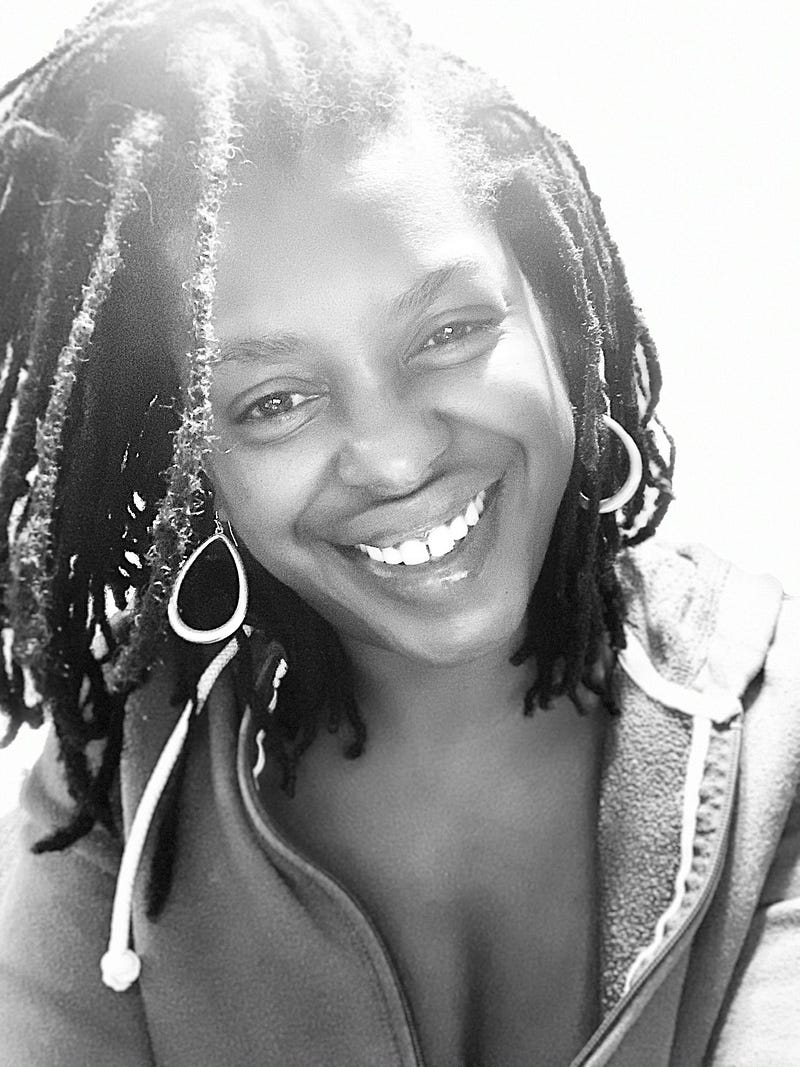
Tool: Art as a form of self-care
As a Black woman, living as an intersectional feminist is a requirement-not a choice. As such, on top of encountering classicism and ageism, I contend with racism, sexism, colorism, and culturism on a daily basis. It’s stressful. It’s wearing. It’s tiring. But I still have to live and I still want equality in my life experiences.
Therefore, I depend on self-care to be well in this daily grind. While it seems rather ambiguous to say that art is in my personal wellness toolkit, I can’t narrow my appreciation of art down to a single artist or a single work of art or a single act of creating something or a single creation. At moments when I’ve felt confused or anxious or sad or angry or frustrated, I’ve seized upon all the above to re-center, refocus and carry on. When emotion attempts to get the best of me, I need to make sense of it so I can know that it doesn’t need to consume me.
Art illustrates and inspires, articulates and underscores, confirms and conflates emotion into something more palatable and more easily understood. Art doesn’t require any special tools, nor does it require any particular talent. All it takes is pure expression and a willingness to reveal. And I will never run out of either.
Mekdes Abebe Haddis — Writer | Speaker | Missionary| Redeemed Intersectionalist
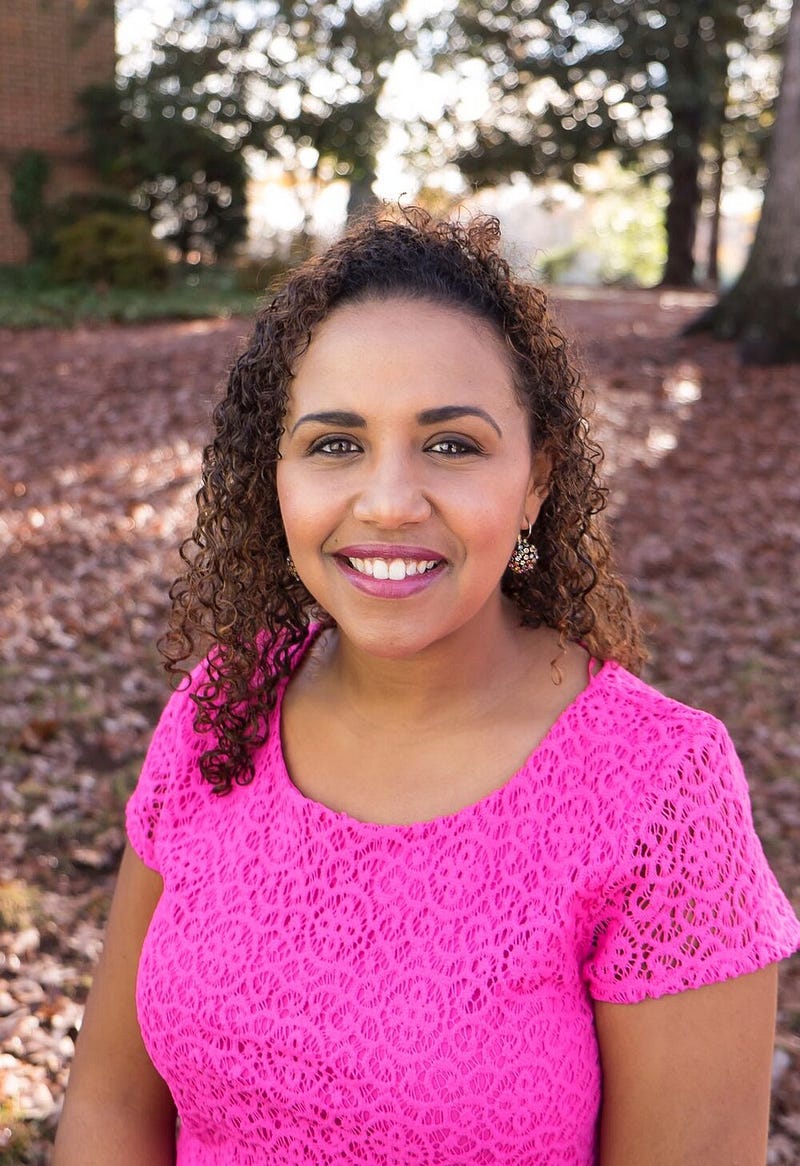
Tool: My experience matters
A principle that has helped me navigate the intersectional feminism space is believing my experience matters and that it deserves not only to be heard but to lead in spaces that undermine my voice. As a black woman in America, I don’t have to go very far to constantly be faced with opinions and values that undermine my experiences. People will make a point in telling me I’m either over reacting or I may have misunderstood intentions when I express my frustration towards views that I find offensive and sometimes threatening to my reality. But on a daily basis I remind myself that I deserve to live a meaningful and abundant life because God has created me equally as everyone else and promises to give me a life full of joy and purpose. With that in mind I have made it my life principle to work hard to keep believing that my experience not only deserves to be heard or tolerated but that it needs to be elevated to a space where it can be used to lead others into becoming better people and leaders themselves.
I refuse to believe that what the majority says and experiences is the only truth out there but it is my job to keep believing that my life is a gift not only to me but to those around me.
There you have it, guys!
I totally relate to these shares. I am currently at the place where Vera is at even though I am not married. Two of the guys I use to talk to told me I should always serve there food and drinks when we go to a party. One of the two even said a woman should be delighted to give up her dreams for her husband and that he does not change diapers because God calls women to submission. I might have also slightly lost my mind. I ran from both like the plagues…I really need to bring story-time back to the blog. Anyways, I share more on my thoughts process as it relates to feminism and faith in next week’s post. In addition, art specifically the written (books) and lyrical (music) ones are two of many avenues I engage to unlearn and learn, and to settle into who I am as a feminist and what I subscribe to and why. Lastly, I matter! We all matter…our experience especially as women matters, and we don’t need permission.
Okay, your turn!
What are your thoughts on Vera, Nikki and Mekde’s tools? Are you a feminist? What tools do you engage with? And even if you don’t identify as one or you subscribe to another label, I’d love to hear your thoughts in the comment section.
FEBRUARY: What’s in your Mental Health Toolkit?
Originally published at https://www.adeolafadumiye.com on March 10, 2020.