
What’s all this Elon-Twitter drama?
What the future of Twitter looks like.
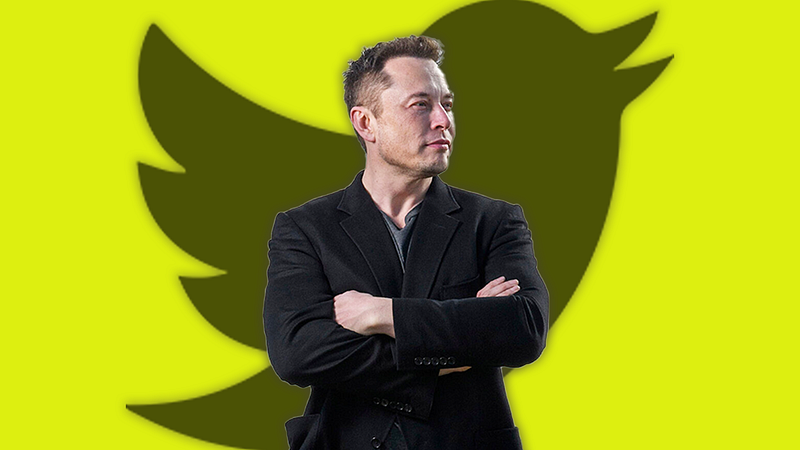
The poll
This whole drama started a month back on March 25th. Elon, on Twitter, conducted a poll asking if Twitter adheres to the principle of free speech and the majority of the people voted for “No”.
The stake
Elon might have decided to change the situation I guess. So just after a few days, he bought 9.2% of Twitter’s stake and became the major shareholder of the company.
The next day, he was appointed as one of the board members of Twitter.
But Elon seem to have other ideas so he decided not to. A week after, the social media CEO, Parag Agrawal on the platform announced that Elon is not joining the board.
So much drama within 15days right? The next 15days are even more dramatic.
Elon’s offer
On the 14th of April, Elon offered $43 Billion to buy the social media giant. Twitter refused to sell the company.
Later he replied in a tweet, saying that he will make the board salary $0 if his bid succeeds, so that’ll save $3 Million a year.
Current situation
But the situation seems to come down to Elon somehow. Reports say that the company is most likely to accept Elon’s offer, and sell the company.
By the time this article goes on air, Twitter might have already been sold to Elon. I really hope this will only mean good to the future of the platform. However, I’m so excited to see what the future of Twitter looks like.
Update
Elon has acquired Twitter for $44 billion. Elon on Tuesday posted about making the algorithms open-source, defeating spambots and authenticating humans.
I really hope the future of Twitter will be better than ever and it couldn’t be in better hands.
While we talking about Twitter, why don’t you join me there? Find me at tejslm. Waiting to catch you there ;)
Contact me for gigs:- [email protected]


