
What Your Music Taste Reveals About You
Psychologists have found correlations between these sounds and character traits.
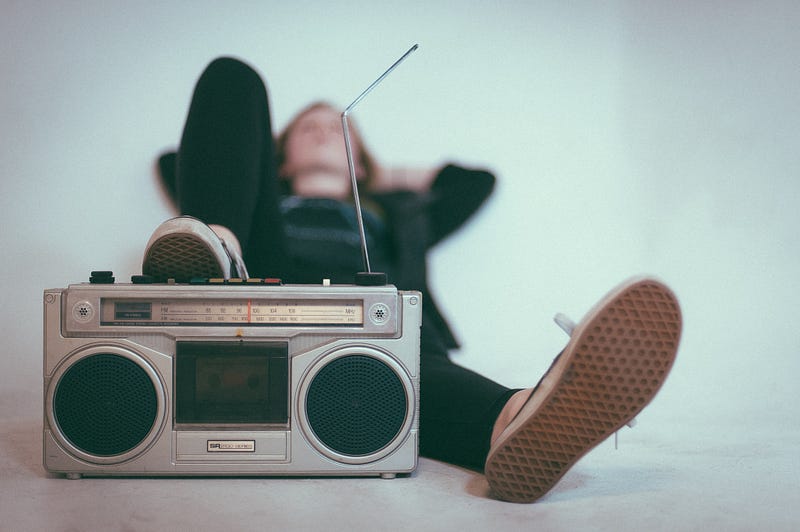
It’s Monday evening, I’ve got my hairbrush in one hand, and I’m looking in the mirror, screaming the words to my favorite song. The imaginary crowd goes wild, and I feel a gush of positive energy run over me.
Whether you’re a metalhead, a jazz enthusiast, or an opera lover, we all have our favorite artists. But why are we drawn to different types of music? Why do some of us love the thought of aggressively smashing a guitar while others yearn for relaxing coffeehouse jazz sessions?
Psychologists have suggested that the music we love reflects our personality. They also argue that the environment we grew up in influences the type of music we’re drawn to. But in what way?
Your Music Is Who You Are
Research by Psychologist David Greenberg (Cambridge University) compared music attributes to personality traits. The title of his paper sums up his findings beautifully:
“The song is you: preferences for musical attribute dimensions reflect personality”
He carried out a survey, quizzing thousands of people on their personality traits and the music they prefer to listen to. He quickly found a correlation between musical taste and cognitive style:
- Those who are more focused on emotions, thoughts, and feelings — labeled as “empathizers” by Greenberg — prefer mellow music that evokes deep thought and reflection.
- Those who are more rational and focused on explaining the patterns and systems of the world — labeled “systemizers” — much prefer intense music with complex sounds.
This cognitive theory argues that empathizers are focused on the emotional qualities of music while systemizers are more interested in the structure and layers of a song.
But his findings run much deeper, and our music taste reveals a lot about our daily lives. Systemizers are statistically more likely to get a job in Maths or Science, whereas empathizers are better listeners, and find it much easier to put themselves in other people’s shoes.
Overall, Greenberg’s findings tell us that our music choices give us insight into our deeper psychological tendencies and personality. As the study states:
“We are seeking music that reflects who we are… so that includes personality, the way we think, and it may even be the way our brain is wired.”
Your Genre Helps Define You
Our favorite genre is more than just the music we listen to or the concerts we attend. It’s a whole culture that could shape our appearance, our friendships, our interests, and much more.
Teenagers who haven’t found themselves often turn to music. It helps them forge a personal identity. According to Musicalogist Nolan Gasser, we get to an age where we deviate from the musical preferences of our parents. In his words:
“Music becomes that stake in the ground. It helps us say: ‘this is who I am’”
Think about the emo punk-rocker, the Beatles-loving hippie, or the Mods riding around on their scooters. For some, it’s just a rebellious phase, for others, it’s a way of life. A journey of self-discovery, shaped and influenced by the musical culture around them.
Having questioned over 2,500 people, a 2002 study by the University of Leicester confirmed that the type of genre we choose helps us define ourselves. For example, they discovered that classical music lovers tended to be shy, while metalheads were more at ease with themselves.
It’s important to note this isn’t the case for all of our music choices. As psychologist Jen Kim points out, sometimes we listen to a song for more tangible reasons: because our friends listen to it, or because certain songs are attached to certain memories and experiences. Other times, our music taste changes and we become embarrassed about the songs we used to listen to.
But as a rule of thumb, if you’re listening to a genre for the songs themselves, then chances are that choice is helping you define yourself. Even if only to help you realize the sort of person (or music) you don’t want to be associated with.
A Reflection Of Old Times
Elsewhere, Sophie Rainbow (The Evening Standard) has argued that our past experiences shape our music choices. In her words:
“Familiarity is a key factor in responding positively to music”
For that reason, the culture and environment we grew up in shape the types of music we’re drawn to. If you grew up around a particular sound, then chances are you’ll grow to enjoy it.
In a similar vein, nostalgia plays a role. As psychologist Frederick Streeter Barrett has alluded, certain songs take us back to an earlier point in our lives, and that can bring a range of positive emotions. It’s why those who spent their Friday nights dancing to 1980’s discos love listening to the same music while driving to work, and why our Grandparents sit and reminisce over music from 50 years ago.
These types of music provide a snapshot of the past and are a reminder of how the world once was. They don’t reveal much about our personality but do tell us about our desires, values, and the things we cherish.
The Character Traits Linked to Your Style
Research conducted by Adrian North (2003,) claims the reason most of us are defensive about our music taste is because it’s a direct reflection of who we are.
During his study with Heriot-Watt University, he reviewed over 36,000 participants and asked them to rate over 104 music styles and answer personality-related questions.
His study found a strong correlation between personality traits and these musical styles:
Note: his results reflect the findings and correlations of one study. While some findings support his, they are often called into question.1. Pop Music
On North’s account, listeners who rave about the top-chart pop music are statistically more likely to be extroverted and honest. Though these people are much less creative.
2. Rock Music
Despite being depicted as aggressive, angry, and rowdy, listeners of rock are usually quite gentle at heart. They’re also quite creative but suffer from low self-esteem.
3. Rap and Hip-Hop
Counter to the stereotype, North found no correlation between violence and being an avid hip-hop fan. Instead, listeners have high self-esteem, are outgoing, and see this genre as an opportunity for self-expression.
4. Indie Music
Indie fans are generally intellectual and creative. But are typically less hard-working than average, and have introverted undertones.
5. Jazz and Blues
Lovers of Jazz are (statistically) much more extroverted and outgoing. As intelligent and confident creatures, they’re quite happy to get creative and express themselves.
6. Classical Music
Lovers of Mozart and Beethoven are much more at ease with themselves and the world around them. Despite being introverted, they have strong self-esteem.
Although not absolute and definitive, the findings of North’s study provide a good framework for connecting the dots between musical interests and personality styles.
In understanding the implicit nature of each genre, we can better understand and navigate the musical world. This knowledge can help us relate to people and find a genre that better matches our desires and interests.
Final Thoughts
Whether we love screaming to an angry rock band or gently listening to the strings of an orchestra there is a strong psychological link between our favorite music and our personality:
- Cognitively, David Greenberg has shown that those focused on thoughts and emotions prefer mellow music, while rational people focused on patterns prefer intense music and complex sounds.
- As Musicalogist Nolan Gasser claims, choosing our favorite genre is our way of defining ourselves. It’s the start of a long journey of self-discovery, shaped and influenced by the musical culture around us.
- As Sophie Rainbow highlighted, music gives us a taste of familiarity. For some, it offers a blast from the past; a feeling of nostalgia that brings back the positive memories and emotions of a time gone by.
- Finally, as Adrian North proposes, there is a strong correlation between certain musical tastes and personalities. In recognizing these characterizations, perhaps we will be better equipped to navigate the musical world.
The music we choose to listen to, be that while driving to work or sat alone at 4 am, reveals a lot about our inner life. In the words of Kahlil Gibran:
“Music is the language of the spirit. It opens the secret of life bringing peace, abolishing strife.”
I write about Self-Improvement, Life Lessons, Philosophy, Psychology & Business — to help you reach your full potential. To stay in touch, and to receive free and exclusive content, sign up to my mailing list.
Like What You Read?
To read more articles like this and to support me as a writer, consider becoming a Medium member. Doing so will give you unlimited access to stories on Medium and if you do so via this link, I will earn a small commission.


