
What Your Anxious Child Wants You to Know
As explained by an adult who once was an anxious child.
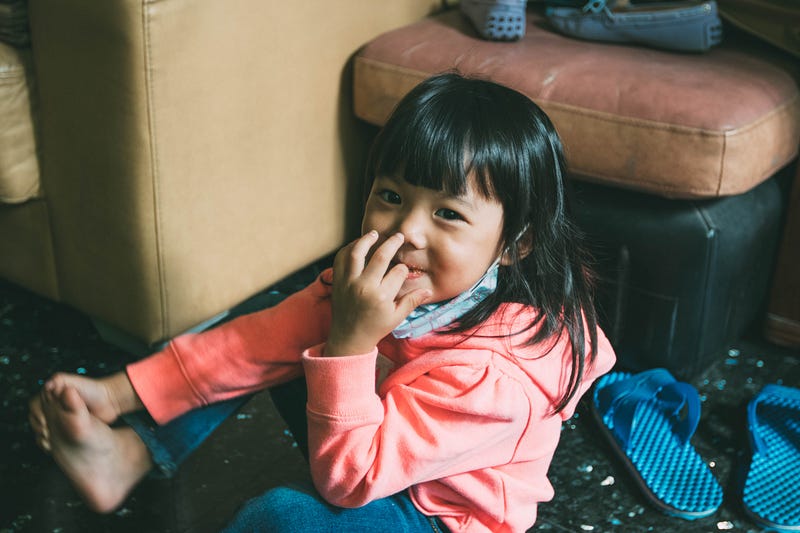
I have had anxiety since I was age 7. Growing up, I struggled to socialize or speak up. I was too quiet and afraid of nearly everything.
But that never stopped me from being labeled the happy child. And that’s all because I hid it well.
I didn’t know what was happening to me or how to stop it. I just thought this was how things were with everyone. As I got older though, I realized that was not the case. To appear normal to my friends, I began to hide my fears, which only worsened them.
When I turned 18 I started working in childcare. I worked with children of all ages. I learned how to recognize the children who had anxiety: because they were just like me.
I paid special attention to the anxious children in my class. I wanted to help them get socialized and go at the pace they were comfortable with. I remember being so scared as a child — I wanted to make sure those kids didn’t experience what I had.
I wanted my anxious kids to walk out of my class with a smile on their faces, not quiet and scared. It was easy for me to understand where they were coming from based on my own history with anxiety.
Now, here are the three things your anxious child wants you to know.
They want help
The first and most important thing is that your child wants you to know they need help.
They won’t know how to say it.
They don’t know how to express it.
They just need help.
I was so afraid, but I didn’t know why. You’re child most likely feels the same way.
I wanted people to care about me and ask–I wanted people to really want to know me. I didn’t feel safe sharing anything.
They are scared
Aside from wanting help, they are scared. They have no idea what is happening.
All they know is something isn’t right, and their friends don’t feel this way.
I worried about my dogs being healthy and safe to the point where all I could do was cry. Due to my intense worrying, I tried to speak up. I was terrified to express how I was feeling.
Many of the times when I would speak up, I would be promptly told to “Relax!” or “Calm down!”And over time, that just made my anxiety worse. There was something wrong with me, and I didn’t know why.
They need you
Your child with anxiety wants you to know that they are scared and need you.
I acted out a lot at home to get attention, which usually pushed me further into isolation. Special time with my important inner circle growing up was important. Whether it was an afternoon at Chuck E Cheese or an afternoon walk around the neighborhood — it helped.
I liked feeling that closeness — I needed to know that I was okay. I couldn’t express it or understand it, but that’s what I really needed.
They need you now–more than anything else in the whole entire world.
Their anxiety may push them towards dangerous alternatives, like drug use or self-harm.
Each child is different and unique. This is a perspective I am sharing about my own unique experience. But overall, the three points in this article are essential to remember.
I learned how to make my life work with anxiety growing up. It was difficult and challenging. I had a small social circle
Knowing the signs and symptoms of anxiety is essential to prevent your child from suffering alone with mental health issues.
Thanks for reading; I hope you enjoyed it! If you would like to support me, you can do so by joining Medium. Get unlimited access to stories for only $5 a month — you can use my link to sign up! Click here to sign up for emails every time I post a new story! Happy reading! 🌞
Stay Connected with This Author: https://linktr.ee/JenniferMarch13


