avatarMelissa Gouty

Free AI web copilot to create summaries, insights and extended knowledge, download it at here

3126

Abstract

<img src="https://cdn-images-1.readmedium.com/v2/resize:fit:800/0*BEKmUyf5Zjc3moWj"><figcaption>Photo by <a href="https://unsplash.com/@ecjs?utm_source=medium&amp;utm_medium=referral">Elisa Stone</a> on <a href="https://unsplash.com?utm_source=medium&amp;utm_medium=referral">Unsplash</a></figcaption></figure><h1 id="ef9f">What Happens When They’re Everywhere</h1><p id="14b6">As the number of otters has increased, so has the number of conflicts with the human population.</p><p id="def9">Since otters travel in <a href="https://furbearerconservation.com/blog/2020/6/19/river-otter-populations-continue-to-thrive-in-america">groups of nine or more</a>, they can make a mess. Some areas report a decrease in fish in ponds and hatcheries. Others have expressed health concerns since groups of otters routinely climb onto docks, boats, and shorefront property where they defecate and vomit.</p><h1 id="80d0">Don’t Let Their “Cuteness” Fool You</h1><p id="d46f">They’re beautiful in a sleek, aerodynamic way. Short legs, long-bodies covered with a thick, brown-black <a href="http://www.wildflorida.com/wildlife/mammals/River-Otter.php">oiled fur</a>, river otters have clear eye-lids so they can see underwater when they swim. They can close their small, close-set ears and their nostrils, allowing them to stay underwater for 8 minutes while diving up to 60 feet deep.</p><p id="254c">The size of river otters ranges between three and four feet long and up to thirty pounds, with the males being bigger than the females.</p><p id="baf2">No wonder I was amazed at the speed of the otter I saw curling across the path. Otters can move at a speed of <a href="http://www.wildsouthflorida.com/river.otter.html#.YCLmHWhKhPY">18 miles per hour </a>on land, They often range over a large territory, requiring them to cross roads to get to the next waterway, and sadly, resulting in roadkill.</p><p id="5022">You might even say otters are “cute” — until you learn about their fierce and predatory behavior.</p><h1 id="0a98">Fierce Warriors Worthy of Fear</h1><p id="f03d">Never get close to a river otter. They usually shy away from humans and are most active at night, so the chance you’d come face-to-face with an otter is slim. However, river otters have been known to attack kayakers.</p><p id="3957">In March of 2018, in Manatee County, Florida, four kayakers were wounded in separate<a href="https://www.denverpost.com/2018/03/09/florida-otter-attack/"> otter attacks.</a> In one case, an otter jumped onto a woman’s kayak and lunged at her face. Officials from the Florida Fish and Wildlife Conservation Commission were on the lookout for an “aggressive” otter.</p><p id="9059">Otters have also been known to <a href="https://www.usatoday.com/story/news/nation/2020/02/17/lakeland-florida-otter-attack-mom-plays-hero-when-otter-intrudes/4784684002/">attack dogs </a>— or at least, crazy otters have. One account told of an otter getting into a Lakeland, Florida home and attacking a 17-year-old girl and the family dog.</p><p id="c644">Another account tells of a five-pound dog that was killed when three otters came onto a resi

Options

dential swimming pool deck in <a href="https://patch.com/florida/stpete/st-pete-family-horrified-otters-kill-treasured-pet-dog">St. Petersburg, Florida.</a></p><p id="b8c6">Otter attacks are rare, but they do happen.</p><h1 id="88a6">Otters Can Take Down Gators</h1><p id="6280">Otters are small but mighty, capable of taking down alligators as big as five feet long. To slay a gator is no little feat, but <a href="https://www.nationalgeographic.com/news/2014/3/140306-otter-alligator-florida-predator-photos-wildlife/">National Geographic </a>has seen it happen multiple times.</p><p id="b421">An otter learns the gator-slaying-behavior from its mother and kin. The tactic requires that the otter stays out of the gator’s side-to-side strike zone by climbing on its back and sinking its sharp little teeth into the alligator's hide.</p><p id="bce9">Since alligator skin is tough, the otter can’t really kill the gator by biting. But what happens is that the alligator is capable only of short bursts of strength. The otter, however, is an endurance fighter and can sustain attack energy for long periods of time. The gator gives out with fatigue; his muscles fill with lactic acid, inducing a lethargic state. The otter hangs on until the gator is limp and then hauls him to shore, where he tears through the hide and digs out the meat. The alligator dies from lactic acid poisoning while the otter is feasting on his flesh.</p><figure id="f80a"><img src="https://cdn-images-1.readmedium.com/v2/resize:fit:800/1*TCBt5sYnmYtVTK2e0Ps53A.jpeg"><figcaption>Vicious Giant Otter Killed and Ate a Crocodile: Photo: Imgur</figcaption></figure><p id="dee1">An otter’s diet typically consists of fish, but they are not picky eaters. They also eat rodents, reptiles, crayfish, bugs, frogs, turtles, raccoons, beavers, and alligators.</p><h1 id="da49">Both Social and Independent</h1><p id="1784">Otters are adaptable creatures. They are social animals, enjoying the company of other otters, but they are also capable of being alone, often hunting by themselves. The playtime of otters is famous for its rambunctious, joyful nature.</p><p id="4fc0">Richard Bach, the author of <i>Jonathon Livingston Seagull, </i>once said,</p><blockquote id="4e4e"><p>“We [Americans] are game-playing, fun-loving creatures; we are the otters of the universe.”</p></blockquote><p id="d7bf">He’s probably right. But not only are <b>we</b> game-playing, fun-loving creatures, we are also cute and sociable, and, sadly, like the river otters of Southern Florida, we are capable of occasional violent, vicious attacks.</p><figure id="1b8f"><img src="https://cdn-images-1.readmedium.com/v2/resize:fit:800/0*k-X6J4uDtFuu8GKw"><figcaption>Photo by <a href="https://unsplash.com/@pumplekin?utm_source=medium&amp;utm_medium=referral">David Groves</a> on <a href="https://unsplash.com?utm_source=medium&amp;utm_medium=referral">Unsplash</a></figcaption></figure><p id="cb8e"><i>Melissa Gouty is not a scientist, but she is curious about everything she sees. Her book, The Magic of Ordinary, is available now anywhere online books are sold.</i></p></article></body>

What You “Otter” Know About Florida’s Slinky River Creatures

“Cute” Isn’t the Right Word
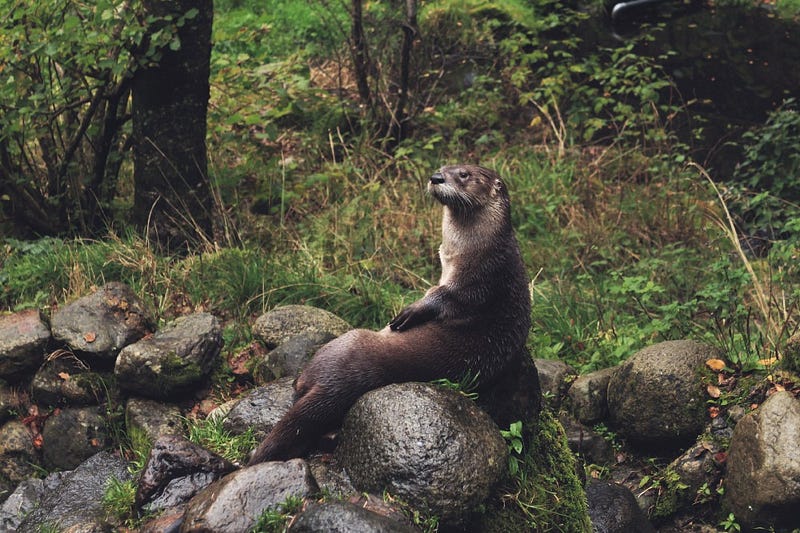
A Sciku:

Huge, black, furred Slinky Humps from canal to canal Slithering away.

Sleek. Fierce. Surprising. Never saw such a critter. Pretty, but deadly.

An Unexpected Land-Sighting

We are camping in the south of Florida, a beautiful campground called Torry Island, located at the bottom edge of Lake Okeechobee, an area comprised of canals and marshes filled with birds, fish, and wildlife of all kinds.

A two-mile walking path rings the area and wanders around a little man-made lake and then down a wide grassy path between two canals. It’s quiet, isolated, and filled with surprises.

One morning shortly after we arrived, I was taking a long walk when, just twenty feet in front of me, a curly black creature emerged from the brush at the side of the canal and loped across the path in a weird humping motion. It was like watching a giant furry caterpillar traveling at warp speed, making rolling, mound-shaped movements with its flexible body.

As soon as I ran into another hiker, I asked what I had seen. Was it a mink? A weasel?

“Nope. It was just a river otter. You see them everywhere here.”
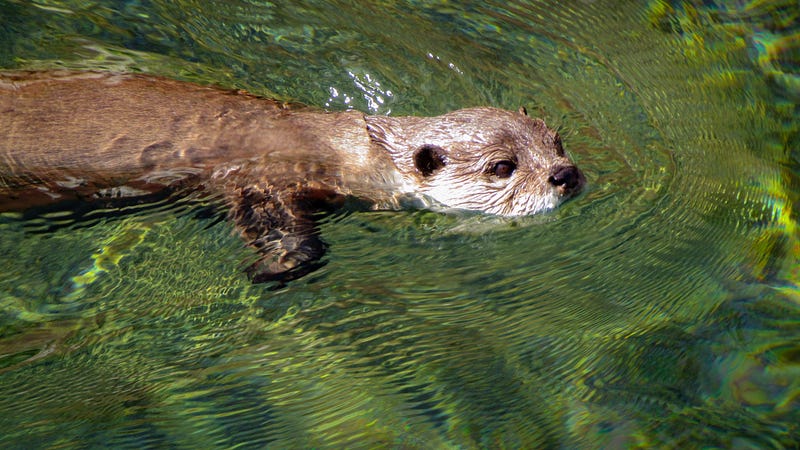
Photo by Joshua J. Cotten on Unsplash

Here, There, and Everywhere

River otters are found in every part of Florida except the Keys. In fact, river otters are found almost everywhere in North America except in hot, desert areas. Otters are water creatures. All they need to survive is a wet habitat with available food.

Otters were once a staple of the French fur trade, and at one time had been hunted to near extinction in twenty states. Expanding population and pollution also took a toll on them. To preserve the species, twenty-one states reintroduced otters, many of them in the Rocky Mountain area. By 2016, more than 4000 river otters had been translocated to 23 states, in “one of the most ambitious and extensive carnivore restorations in history.”

Today, thanks to careful management, and harvesting that includes legal trapping in 40 states, the river otters now inhabit 90% of their original territory, and no state has reported any decline in the otter population.
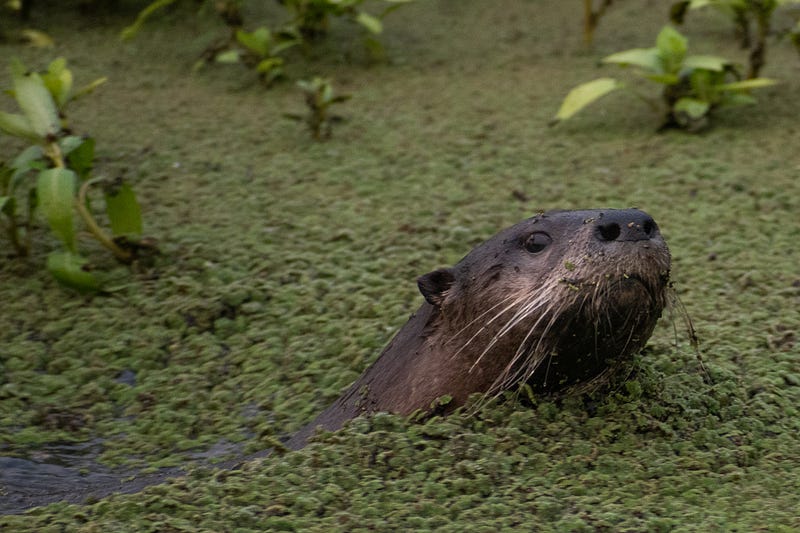
Photo by Elisa Stone on Unsplash

What Happens When They’re Everywhere

As the number of otters has increased, so has the number of conflicts with the human population.

Since otters travel in groups of nine or more, they can make a mess. Some areas report a decrease in fish in ponds and hatcheries. Others have expressed health concerns since groups of otters routinely climb onto docks, boats, and shorefront property where they defecate and vomit.

Don’t Let Their “Cuteness” Fool You

They’re beautiful in a sleek, aerodynamic way. Short legs, long-bodies covered with a thick, brown-black oiled fur, river otters have clear eye-lids so they can see underwater when they swim. They can close their small, close-set ears and their nostrils, allowing them to stay underwater for 8 minutes while diving up to 60 feet deep.

The size of river otters ranges between three and four feet long and up to thirty pounds, with the males being bigger than the females.

No wonder I was amazed at the speed of the otter I saw curling across the path. Otters can move at a speed of 18 miles per hour on land, They often range over a large territory, requiring them to cross roads to get to the next waterway, and sadly, resulting in roadkill.

You might even say otters are “cute” — until you learn about their fierce and predatory behavior.

Fierce Warriors Worthy of Fear

Never get close to a river otter. They usually shy away from humans and are most active at night, so the chance you’d come face-to-face with an otter is slim. However, river otters have been known to attack kayakers.

In March of 2018, in Manatee County, Florida, four kayakers were wounded in separate otter attacks. In one case, an otter jumped onto a woman’s kayak and lunged at her face. Officials from the Florida Fish and Wildlife Conservation Commission were on the lookout for an “aggressive” otter.

Otters have also been known to attack dogs — or at least, crazy otters have. One account told of an otter getting into a Lakeland, Florida home and attacking a 17-year-old girl and the family dog.

Another account tells of a five-pound dog that was killed when three otters came onto a residential swimming pool deck in St. Petersburg, Florida.

Otter attacks are rare, but they do happen.

Otters Can Take Down Gators

Otters are small but mighty, capable of taking down alligators as big as five feet long. To slay a gator is no little feat, but National Geographic has seen it happen multiple times.

An otter learns the gator-slaying-behavior from its mother and kin. The tactic requires that the otter stays out of the gator’s side-to-side strike zone by climbing on its back and sinking its sharp little teeth into the alligator's hide.

Since alligator skin is tough, the otter can’t really kill the gator by biting. But what happens is that the alligator is capable only of short bursts of strength. The otter, however, is an endurance fighter and can sustain attack energy for long periods of time. The gator gives out with fatigue; his muscles fill with lactic acid, inducing a lethargic state. The otter hangs on until the gator is limp and then hauls him to shore, where he tears through the hide and digs out the meat. The alligator dies from lactic acid poisoning while the otter is feasting on his flesh.
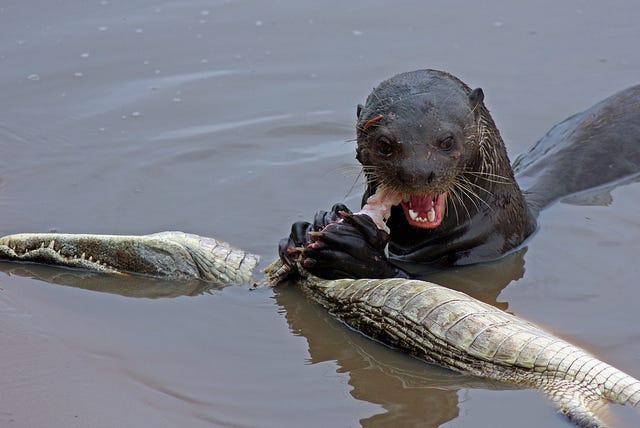
Vicious Giant Otter Killed and Ate a Crocodile: Photo: Imgur

An otter’s diet typically consists of fish, but they are not picky eaters. They also eat rodents, reptiles, crayfish, bugs, frogs, turtles, raccoons, beavers, and alligators.

Both Social and Independent

Otters are adaptable creatures. They are social animals, enjoying the company of other otters, but they are also capable of being alone, often hunting by themselves. The playtime of otters is famous for its rambunctious, joyful nature.

Richard Bach, the author of Jonathon Livingston Seagull, once said,

“We [Americans] are game-playing, fun-loving creatures; we are the otters of the universe.”

He’s probably right. But not only are we game-playing, fun-loving creatures, we are also cute and sociable, and, sadly, like the river otters of Southern Florida, we are capable of occasional violent, vicious attacks.
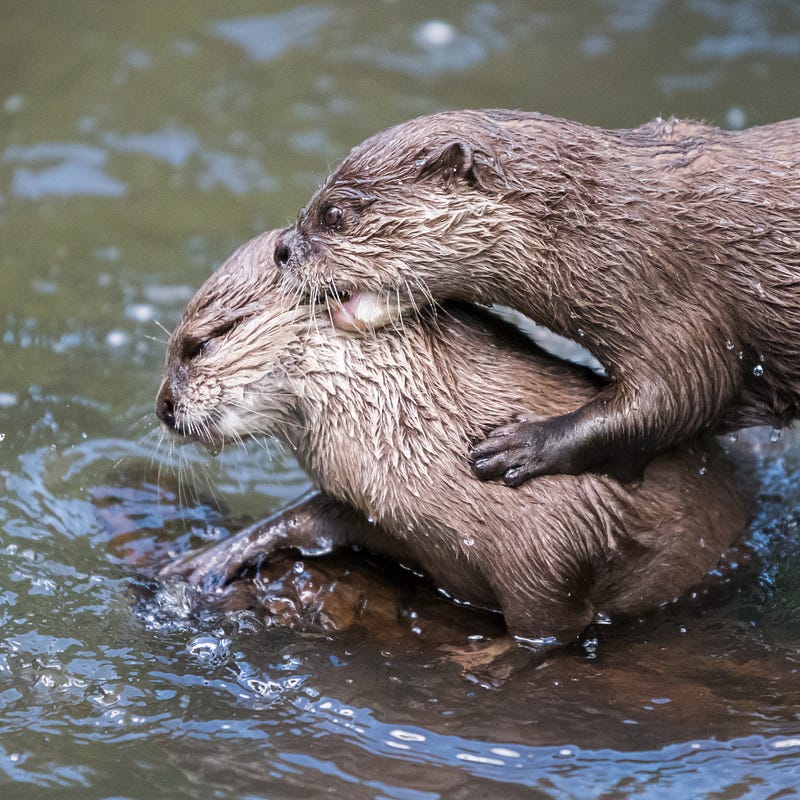
Photo by David Groves on Unsplash

Melissa Gouty is not a scientist, but she is curious about everything she sees. Her book, The Magic of Ordinary, is available now anywhere online books are sold.

Science
Animals
Nature
Travel
Environment
Recommended from ReadMedium