
What You Need to Trek In Iceland
The must-haves for the best experience in this remarkable landscape
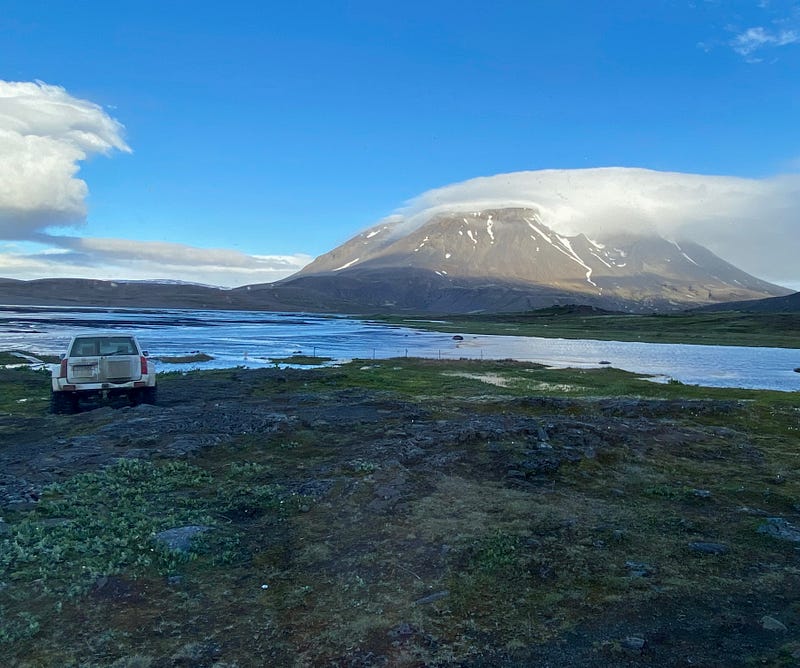
Iceland is a magical place for trekking. The landscape is breathtaking, primordial, and vast.
And then there is the weather. Even in July, when daylight never quite ends, the weather can be a fickle companion.
I did a hut-to-hut trek in Iceland’s Central Highlands in early July. While the world was in meltdown, figuratively speaking, the temperature generally topped out just above 60F. Bliss
Most days were clear and sunny; only one was wet, windy, and foggy.
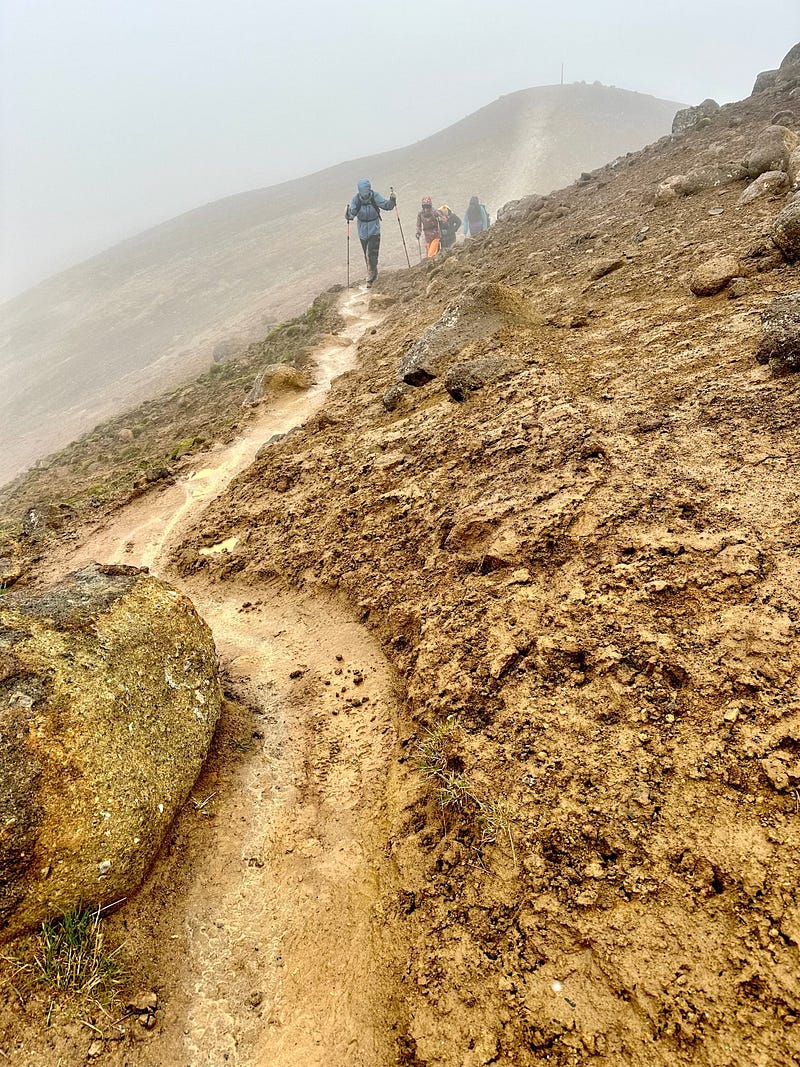
On that day, the narrow trail was composed of geothermal clay and was very slippery when wet. In the pouring rain, it was drenched.
I did not have the right gear; my feet were cold and soggy. There seemed to be a thousand ways to die.
Let me repeat: I did not have the right gear.
Bottom line — hiking in Iceland requires the best gear you can buy or borrow. It’s not the place for the cheap stuff or “almost good enough.”
Here’s what you must have:
Solid Footwear — have some options.
Every serious hiker has their favorite sturdy boot. The terrain is often rocky (think lava fields littered with small ankle-eating rocks), and even the turf is uneven.
Your primary boots should be leather and as waterproof as possible — a mistake I made with a favorite pair.
Even so, it’s likely your boots will get damp. And you’ll be zigzagging across streams, leapfrogging over rocks. I was happy to have an alternative, albeit without the ankle support.
Pairing the hiking boots with no-nonsense hiking sandals (and neoprene socks) worked well with stream crossings, and the socks kept feet dry (and warm).
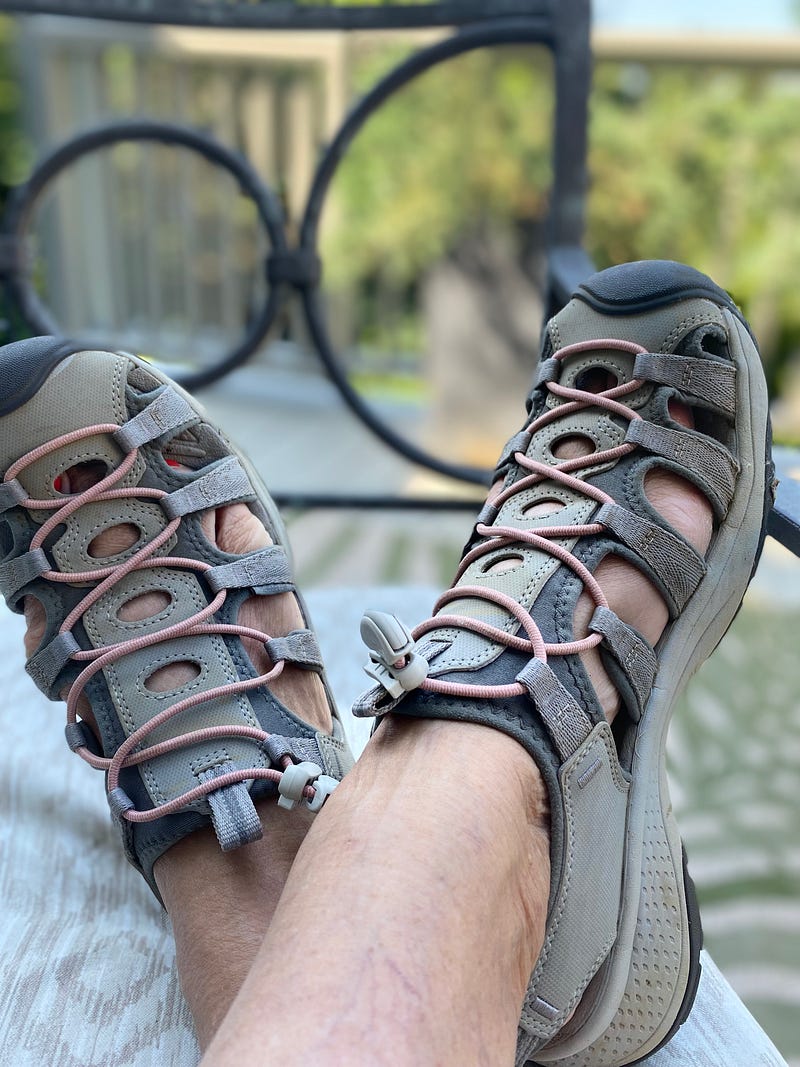
Finally, mandatory “tent shoes.” Icelandic custom dictates that muddy boots are not worn in tents or huts, regardless of how basic the shelter is. In my naivete, I thought a pair of ditzy, fancy-hotel amenity slippers would work. They didn’t even make the flight home.
Here’s an example of what you need. These casual, inside shoes are available from camping gear retailers at various prices. They are a crucial addition to your gear.
Waterproof jacket and pants
Here “waterproof” is the operable word. Not “water-resistant.” I learned that lesson the hard way. My jacket was great; my pants were worthless.
Good waterproof wear tends to be expensive. That’s where I cheated.
When you’re out in the elements, with the wind howling, you’ll be glad you invested.
Accessories
Speaking of wind, Iceland is a very breezy place. Your jacket will likely have a hood, but even in the summer, you’ll want a light knit cap or fleece headband.
Gloves are another item easy to overlook. On this trip, those with lightweight ski gloves (yes, in July) avoided having cold, wet fingers, as I did.
Remember an eye mask for sleeping. We were hiking just below the arctic circle, and the ambient light outside was an “early dusk,” even at midnight.
The eye mask doesn’t need to be fancy; I used one from an inflight amenity package, and it did the trick.
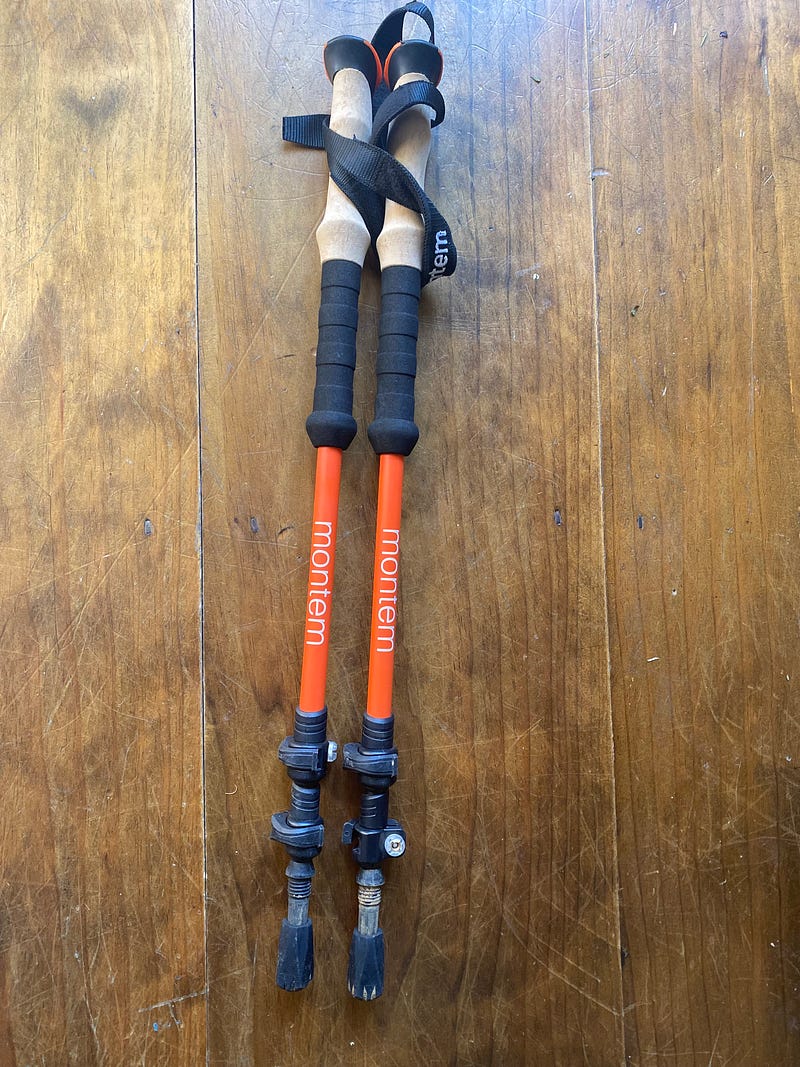
Reliable hiking poles
Once again, it’s the terrain and your comfort with inclines. Make sure they retract to a length you toss in the duffle to avoid any disapproving security personnel at the airport.
Camera
A no-brainer for sure. The smartphone camera is all you need. Still, if you’re an avid amateur (or pro) photographer, you may want more sophisticated Remember weight and fragility are issues to consider, as is the need for battery power.
If you’re considering a smartphone upgrade, partly because of improved photo capabilities, this would be the time to do it. Just allow enough time to master all the new bells and whistles to maximize the equipment’s potential so you can take advantage of the majestic photo opportunities.
Portable Power Pack
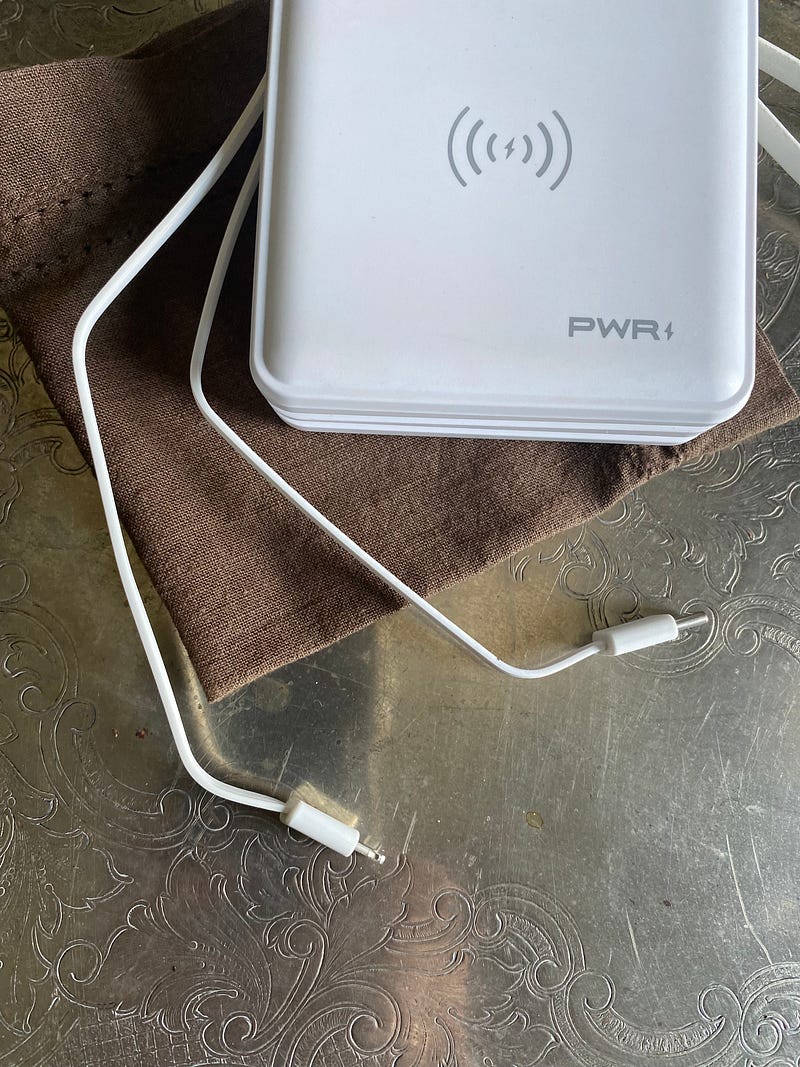
Huts might have electricity, but surely no USB plugs. Certainly not if camping you’re on your own. You’ll need a portable power pack to keep your stuff in working order.
I found this one reliable on the trail and helpful back in Reykjavik, but there are others on the market.
Pro tip: Keep your phone on “airplane mode” or turned off altogether. It will spare the battery, and the whole point is to be off the grid. Let the world keep spinning without you.
Hydration and creature comforts
Don’t forget your water bottle — or, better yet, a personal hydration system. I wished I had the latter on my trek. It’s hands-free, accessible, and as such increases the likelihood you’ll stay hydrated even if you don’t “feel” thirsty.
Fun fact: The water in Iceland is famously clean and pure, so feel free to top off your supply whenever you see a free-flowing stream.
In terms of creature comfort — you may agree that there’s nothing like a nice cup of tea with a snack on the trail. Think about a small insulated thermos for tea-making before you head out each day. Then break out a package of cookies (bring those, too), and you’ll be the envy of your fellow hikers when you stop for a “water break.”
Here’s What You Don’t Need
Even if you’re on a tour that provides “sherpa service” to each nightly destination, you’ll want to travel light; dump the “special evening” clothes.
I packed far too many “apres” hike outfits — who was I kidding? I was in a hut with 10 other people.
Nightlife apparel mirrored dirty hiking apparel.
Ditto for make-up and hair accessories. I was happy to wash my face and fall into my sleeping bag with my eye mask!
The upshot
Iceland is indeed a magical — and mystical place. Its craggy terrain, climate, and folklore of trolls, elves, and fairies seem compatible with its otherworldly feel.
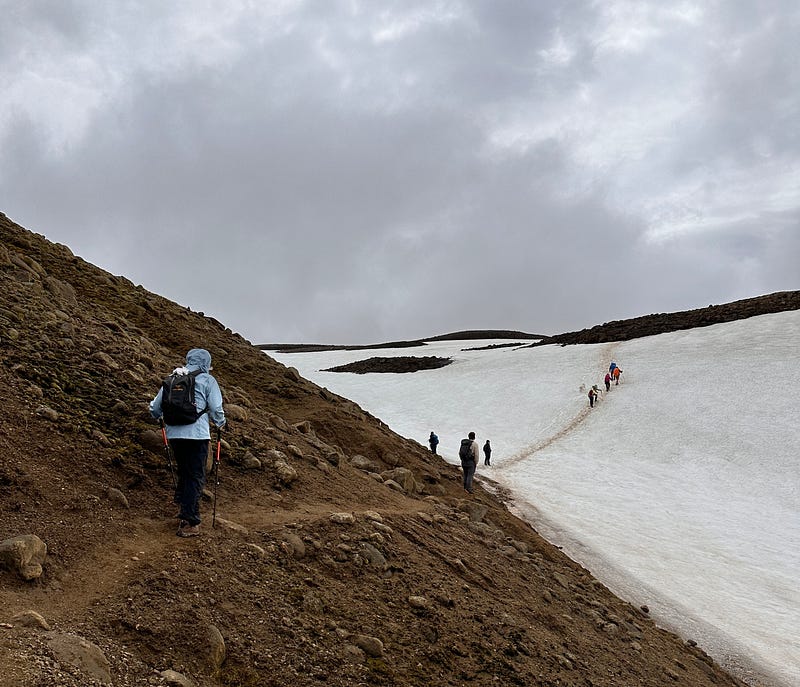
Trekking in Iceland brings you up close and personal to a place you might have imagined, seen in movies, or thought of as existing in a galaxy far, far away. Nope, it's real, and it’s closer than you might think.
Now go experience it and come back revived!
© 2023 Jane Trombley