
What You Need to Know about Macronutrients (Proteins, Carbs, and Fats)

What You Need to Know about Macronutrients (Proteins, Carbs, and Fats)
If you’re ever on the internet (which you already are), you’ve probably heard a lot of talk about macronutrients — protein, carbs, and fats — but may not fully understand what they are and why they’re essential for our bodies. No worries, that’s what today’s short article is about. I’m here to break it all down and give you the spark notes on what you should know about the macronutrients.
Protein: The Building Blocks
Let’s start with protein, shall we? Proteins are often referred to as the building blocks of life, and for good reasons too. They play a crucial role in building and repairing tissues, making enzymes and hormones, and supporting immune function. When you consume protein-rich foods like meat, poultry, fish, eggs, dairy, legumes, and tofu, your body breaks them down into amino acids, which are then used to carry out these essential functions.
But here’s the kicker: not all proteins are created equal. Different sources of protein contain different combinations of amino acids, some of which are considered essential because our bodies can’t produce them on their own. That’s why it’s essential to consume a variety of protein sources to ensure you’re getting all the amino acids your body needs to thrive.
As a great follow-up question, are you someone who was led to believe that protein is only for athletes and muscle-obsessed gym rats? Yes, protein helps to rebuild muscle tissue so that it can build up bigger and stronger. But, as I explained earlier, proteins are also crucial in supporting our immune systems, acting as enzymes, taking part in cellular functions, among other various tasks throughout the body. So, case in point, eat your protein to literally just be healthy!

Carbs: Your Body’s Preferred Fuel Source
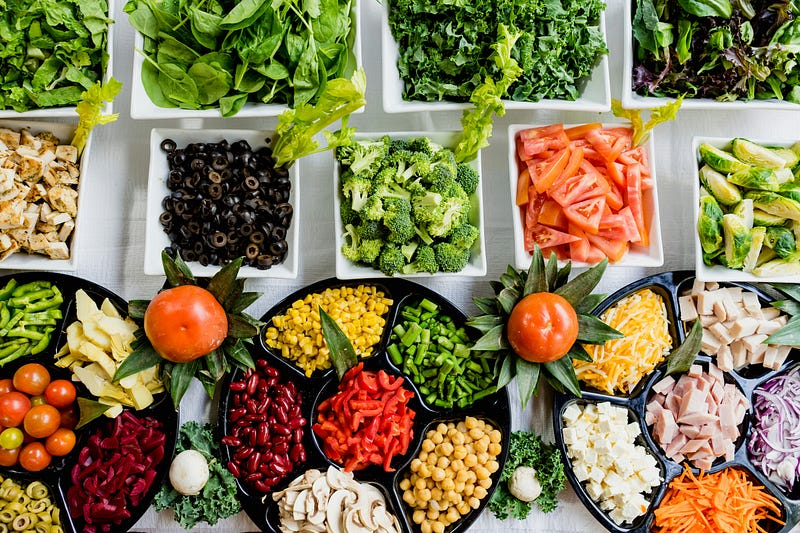
Next up, we have carbohydrates, or carbs for short. Carbs often get a bad rap in the world of dieting, but the truth is, they’re your body’s preferred source of energy. When you consume carbohydrates from foods like fruits, vegetables, and whole grains, your body breaks them down into glucose, which is then used to fuel your muscles, brain, and other vital organs.
But not all carbs are created equal. There are two main types of carbs: simple carbs and complex carbs. Simple carbs, found in sugary foods and processed snacks, are quickly digested and can cause spikes and crashes in blood sugar levels. On the other hand, complex carbs, found in whole grains, fruits, and vegetables, are digested more slowly, providing a steady source of energy and keeping you feeling full and satisfied for longer.
Because our brains only run off of glucose for energy, you would do your brain and body well, by consuming a hearty mix of complex carbs throughout the day.
Fats: Eat the Healthy Kind
Last but not least, we have fats. Like protein and carbs, fats play a crucial role in supporting overall health and well-being. They’re essential for hormone production, nutrient absorption, brain function, and cell membrane integrity. But here’s the thing (similar to carbs): not all fats are created equal.
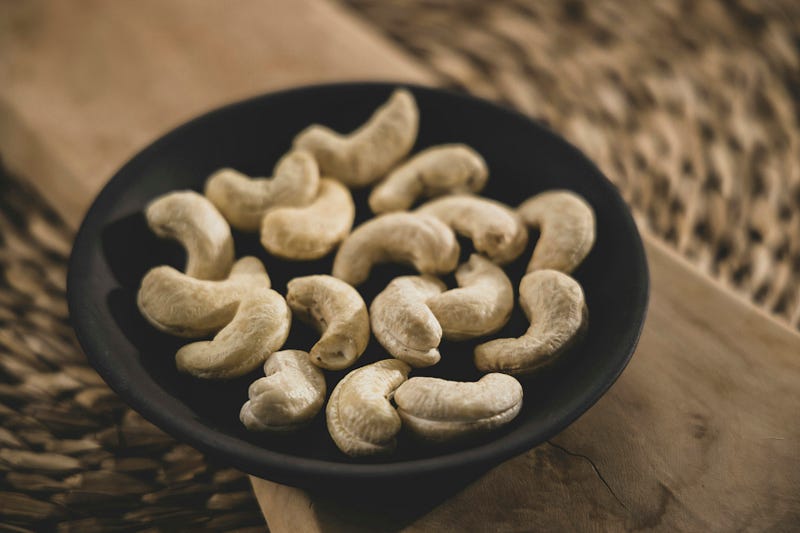
There are three main types of fats: saturated fats, unsaturated fats, and trans fats. Saturated fats, found in foods like meat, dairy, and coconut oil, have been linked to an increased risk of heart disease and should be consumed in moderation. Unsaturated fats, abundant in such as nuts, seeds, avocados, and olive oil, are considered heart-healthy and should make up the majority of your fat intake. Trans fats, found in processed and fried foods, are considered the worst of the bunch and should be avoided whenever possible.
Finding the Right Balance
Now that you understand the basics of macronutrients, the next step is finding the right balance for your body and your goals. While the specific ratio of protein, carbs, and fats you need may vary depending on factors like age, sex, activity level, and overall health, a general rule of thumb is to aim for a balanced diet that includes all three macronutrients in appropriate proportions.
For example, a well-rounded meal might include a serving of lean protein, such as grilled chicken or tofu, a serving of complex carbs, such as brown rice or quinoa, and a serving of healthy fats, such as avocado or olive oil. By focusing on whole, nutrient-dense foods and listening to your body’s hunger and fullness cues, you can create a diet that nourishes your body and supports your health and fitness goals.
Additionally, there isn’t a huge need to count calories or “diet” per se, when you primarily focus on eating whole foods such as those found in lean proteins, complex carbs, and healthy fats. When you nourish the body with what it needs, your hunger and fullness cues will tell you when you are and are not hungry.
Conclusion
Having a basic understanding of the macronutrients — protein, carbs, and fats — is essential for optimizing your health and well-being. By incorporating a balanced mix of all three into your diet, you can fuel your body, support your fitness goals, and feel your best both inside and out. So, load up on the healthy foods, and take control of your health one hearty meal at a time. Thanks for reading!
Connect with me for Personalized Coaching
Ready to take your health and fitness to the next level? Explore personalized coaching tailored to your goals and needs at my website, and let’s embark on this journey together towards a healthier, happier you!