
What You Need To Forgive
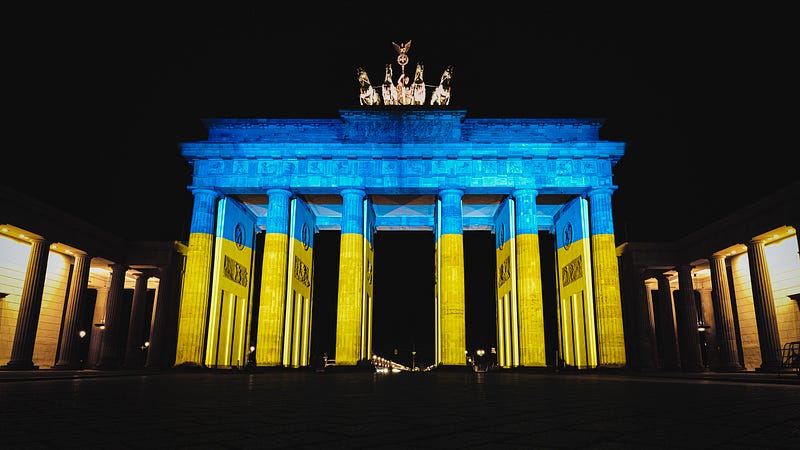
Weeping daily at the senseless destruction and murder in Ukraine, I am filled with fury and hatred, grief and helplessness. Listening to poet David Whyte on Sunday, he spoke of the insanity and reminded us that we “forgave” Germany, and someday we will forgive Russia. He mentioned that what is necessary is that we change, that Russia change, and that what has enabled us to forgive Germany for the atrocities committed during the second world war was that we changed and Germany changed. And as I thought of these words, knowing their truth, I realized that something else is needed also: Time.
I can describe my childhood as filled with terror. Anger , fear and helplessness. For so many years I felt justified rage at my caregivers who should have given care and instead provided intermittent terror so that I never knew what to expect, a blow or a hug. Throughout my adult life various disciplines and and religious teachings have emphasized how important it is to “forgive,” and how I’ve wondered just how does one forgive something that has caused psychological damage, and in some cases, physical damage as well. I could think “I forgive, I forgive” but the resentment smoldered and try as I might, it was there and I couldn’t will it away.
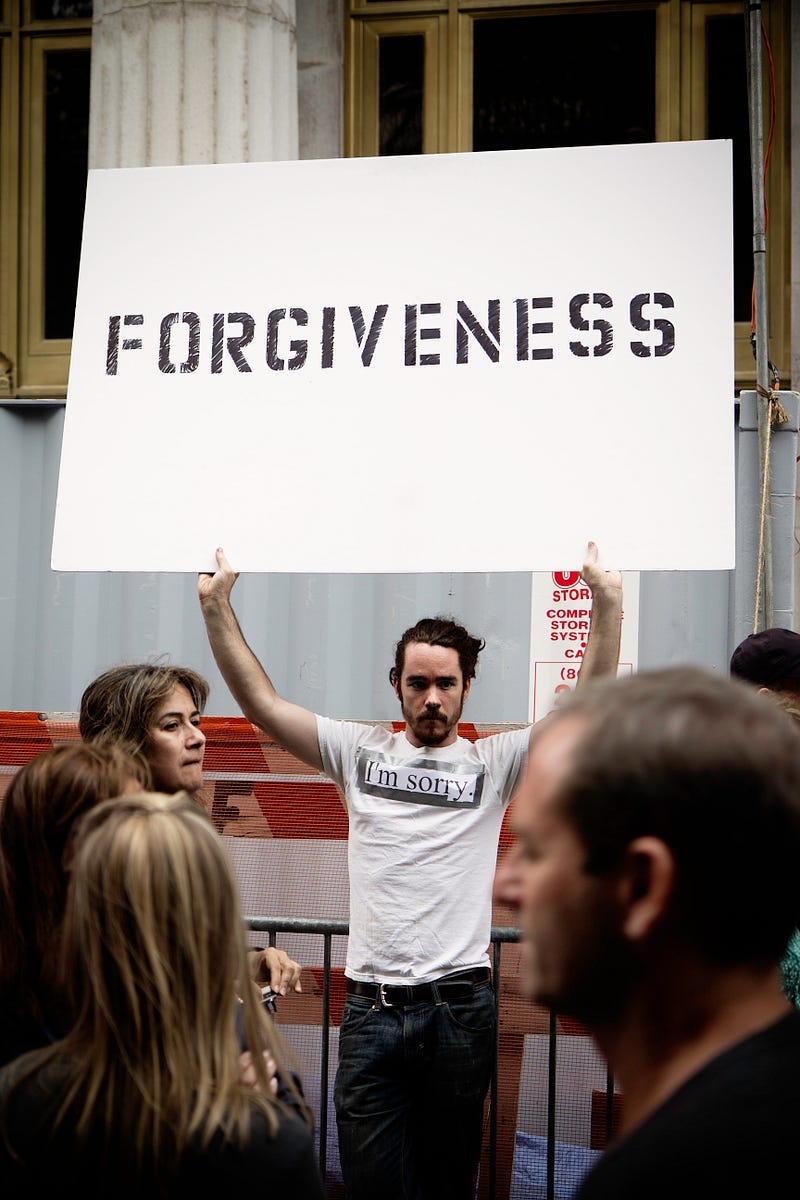
Then one day, it was gone. The memory wasn’t gone, I knew I had been a victim and what was done to me was wrong, but I felt . . . nothing. I wondered: “Is this what forgiveness is? Indifference?” Perhaps. The absence of the rage, the anger, the resentment. Both parents long gone, I’ve had to make do with the hand I was dealt, and I have grown and had successes far beyond I ever thought possible in my early years. Did early abuse make me stronger? I don’t know. I do not believe that abuse is ever preferable to a loving environment. But years of therapy and corrective life experiences have somehow neutralized those powerful negative feelings that were continuing to hurt me, continuing to damage me invisibly, interfered with my relationships and accomplishments.
And I realized that in addition to agreeing with what David Whyte said about forgiveness requiring “change,” it also requires something else: Time. At the time of my childhood my response of rage and terror and fear were appropriate. Time and change have transformed those feelings. Right now Russia is senselessly raining death and destruction on a country that is ill equipped to match it’s strength. The courage and spirit of the Ukranian people is supported by every country in the world with the exception of 4 in the U.N. that did not support the sanctions imposed on Russia. There is universal anger, rage and feelings of helplessness as we see pictures of bodies unnecessarily rendered lifeless. For now, I can’t change those feelings in me. They are appropriate and there is a way in which I don’t want to change them. My change, and Russia’s change will require the other requirement:
Time.


