
What Would Happen To Our Beautiful Earth If The Ocean Currents Collapsed
A scenario you need to read
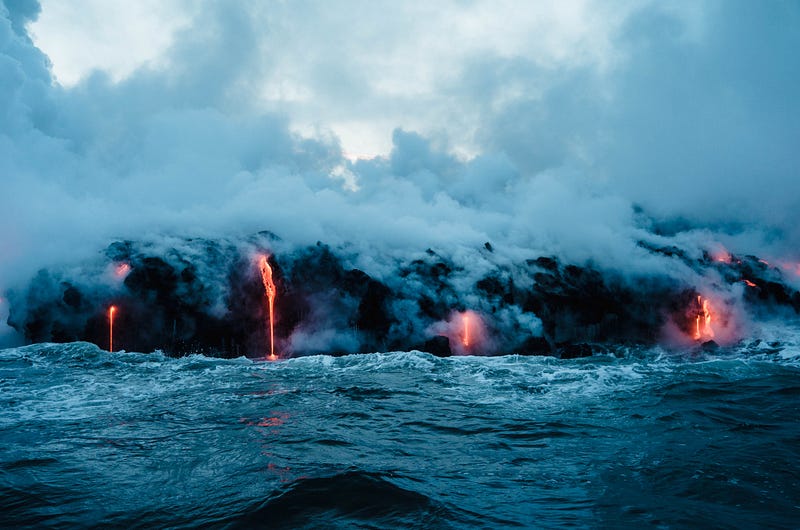
The world’s ocean currents, the vast, interconnected systems of flowing seawater, play a crucial role in regulating our planet’s climate and sustaining marine life. However, what if these currents were to collapse?
Understanding Ocean Currents: Ocean currents, driven by temperature, salinity, wind patterns, and the Earth’s rotation, comprise surface and deep-water currents. The former circulates on the ocean’s surface, while the latter flow in the abyssal depths. These currents distribute heat and nutrients, maintain temperature gradients, and influence weather patterns worldwide.
Potential Causes of Ocean Current Collapse:
The chief culprits behind a possible ocean current collapse are closely tied to human-induced climate change. As global temperatures rise, polar ice melts, injecting large amounts of freshwater into the oceans.
This influx disrupts the balance of salinity levels, weakening the driving forces that propel ocean currents. Natural disasters, such as underwater volcanic eruptions or massive landslides, could also trigger localized disruptions.
Immediate Effects of Ocean Current Collapse:
If ocean currents were to fail, the immediate effects would be profound. Sea surface temperatures would undergo dramatic shifts, impacting weather patterns worldwide. Regions accustomed to moderate climates might face extreme temperature fluctuations, while others could experience prolonged heat waves or severe cold spells.
Furthermore, altered ocean circulation patterns could lead to rising sea levels, causing coastal flooding and eroding shorelines. The devastating consequences would not spare marine ecosystems, with disruptions to food chains and habitat loss for countless species.
The repercussions of collapsed ocean currents would extend well into the future, affecting the global climate system. Changes in heat distribution would give rise to new precipitation patterns, potentially causing droughts in some areas and heavier rainfall in others.
Such alterations could have dire implications for agriculture and food security, as the reliable predictability of seasonal weather patterns is upended. The increased frequency of extreme weather events would further compound the challenges faced by communities worldwide.
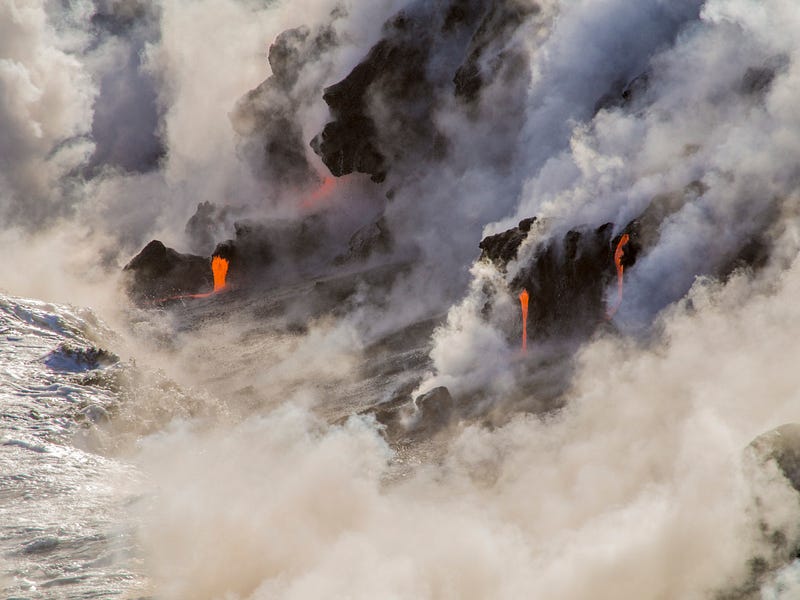
Marine species would be forced to migrate in search of suitable conditions, leading to shifts in marine habitats. While some species might adapt, others could face extinction due to their inability to cope with the rapidly changing environment.
The knock-on effects on terrestrial ecosystems would be significant, as marine life plays a critical role in nutrient cycling and supporting diverse life forms on land.
The collapse of ocean currents would have far-reaching implications for human society and economies. Coastal populations would be at risk of displacement due to rising sea levels and frequent coastal flooding.
Industries reliant on coastal resources, such as fisheries and tourism, would suffer significant losses, affecting livelihoods and economies. Moreover, disruptions to ocean currents could lead to maritime navigation challenges, impacting global trade and commerce. The ensuing strain on resources could also escalate international conflicts.
To avert such a dire scenario, urgent action is required. Reducing greenhouse gas emissions, stemming the tide of climate change, and safeguarding marine environments are vital steps. Implementing conservation measures and creating climate-resilient infrastructure can help societies adapt to changing conditions. Early warning systems can provide valuable time for communities to prepare for and respond to potential disasters.
In the end, the potential consequences of collapsed ocean currents serve as a sobering reminder of the fragility of our planet’s interconnected systems. The urgent actions of addressing climate change and protecting our oceans have never been more apparent.
Through global cooperation and sustained efforts, we can strive to maintain the delicate balance of Earth’s oceans and secure a sustainable future for future generations..
Please follow me subscribe to my profile for inspiring and entertaining stories and visit my referral link to get full stories