
What Woody Allen Has Taught Me About Modernity
A Lesson on The Dull Present and The Romantic Past
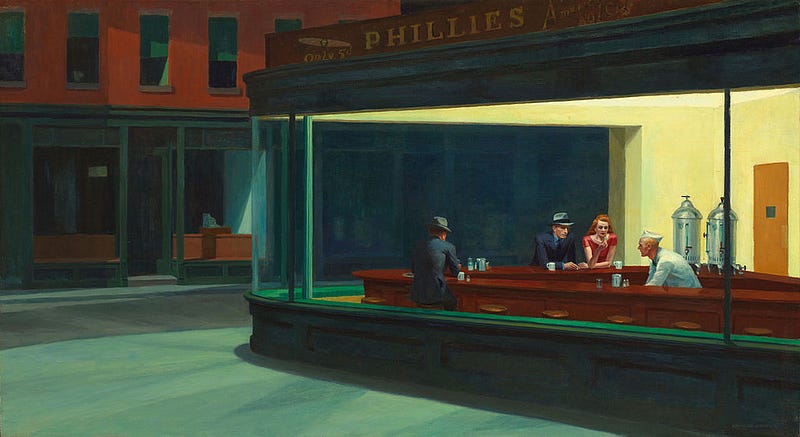
From a very young age, I have been in love with the era of the 1930s and 1940s. At times, I have debated whether I should add the 1920s and 1950s along with them, but I refrain from this because there is a distinction that the 30s and 40s have that in relation to me are more defining, regardless of the unique alluring characteristics that the 20s and 50s possess.
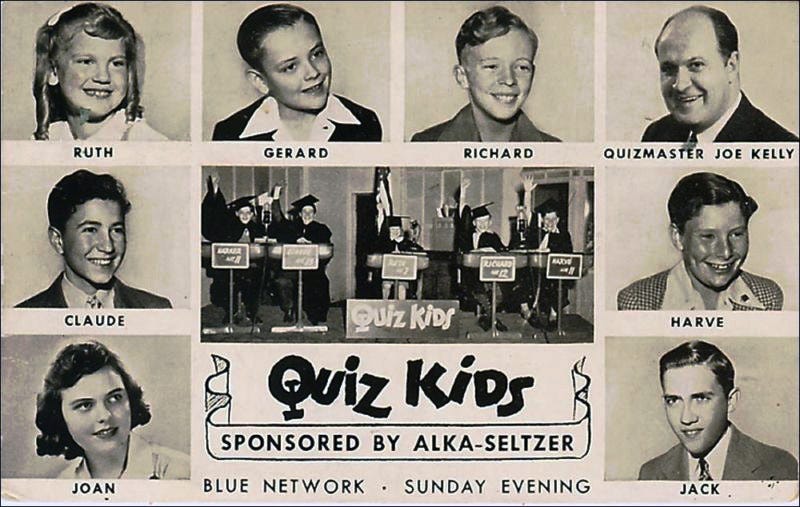
There are several reasons why I am drawn to the 1930s and 40s, at the forefront being that it was the era of the “Greatest Generation”. It was the generation that endured the mammoth hardships of the Great Depression. It was the generation that with their cotton-dry throats caused by dry-soil winds, persevered through the Dust Bowl. And it was the generation that went on to fight in the great World War II, making them key players in determining whether the world would be democratic or totalitarian.
World War II in particular plays a distinct role in my love for the two eras, for I have had a long loving relationship with the conflict and to this day, I still consider it the most epic event in history. Nothing beats it, from my perspective.
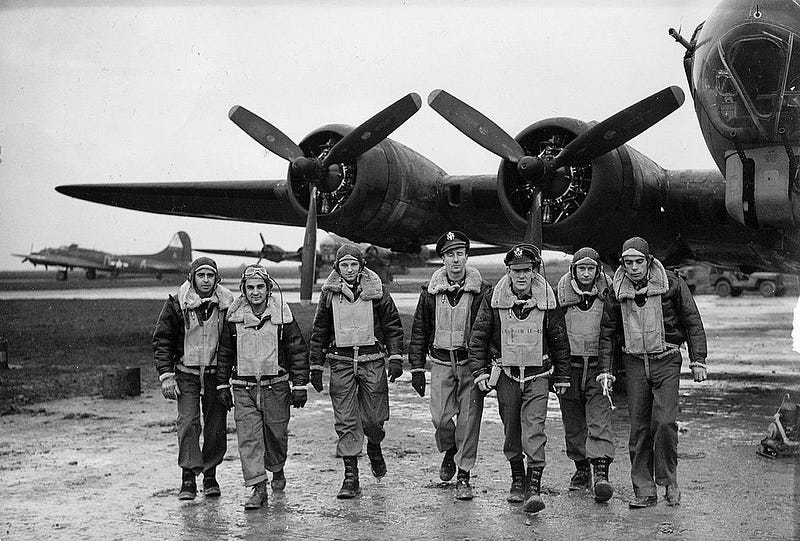
It was this generation that lived in the time in which the world witnessed in horror Hitler’s rise to power and the dramatic downfall of his Third Reich. Mussolini’s fascist Italy gave a lot of influence to Hitler’s movement and being the founder of the first official fascist government, Il Duce would be seen at the end of it all to be killed by his own people. They were alive in the times of Stalin’s sinister reign of the USSR and the enactment of the Holodomor that starved most of Ukraine. The Spanish Civil War was happening where it would serve as a scrimmage for the bigger war to come between democracy and fascism, while in China, the Second Sino-Japanese War provided ground for the Nanking Massacre in which the Japanese would display a legacy of some of the most sadistic episodes in history towards a civilian populace. The Greatest Generation was there, in this great dramatic struggle between differing ideologies and value systems with such drastic dichotomies, that it propelled to be an all or nothing war — total war.
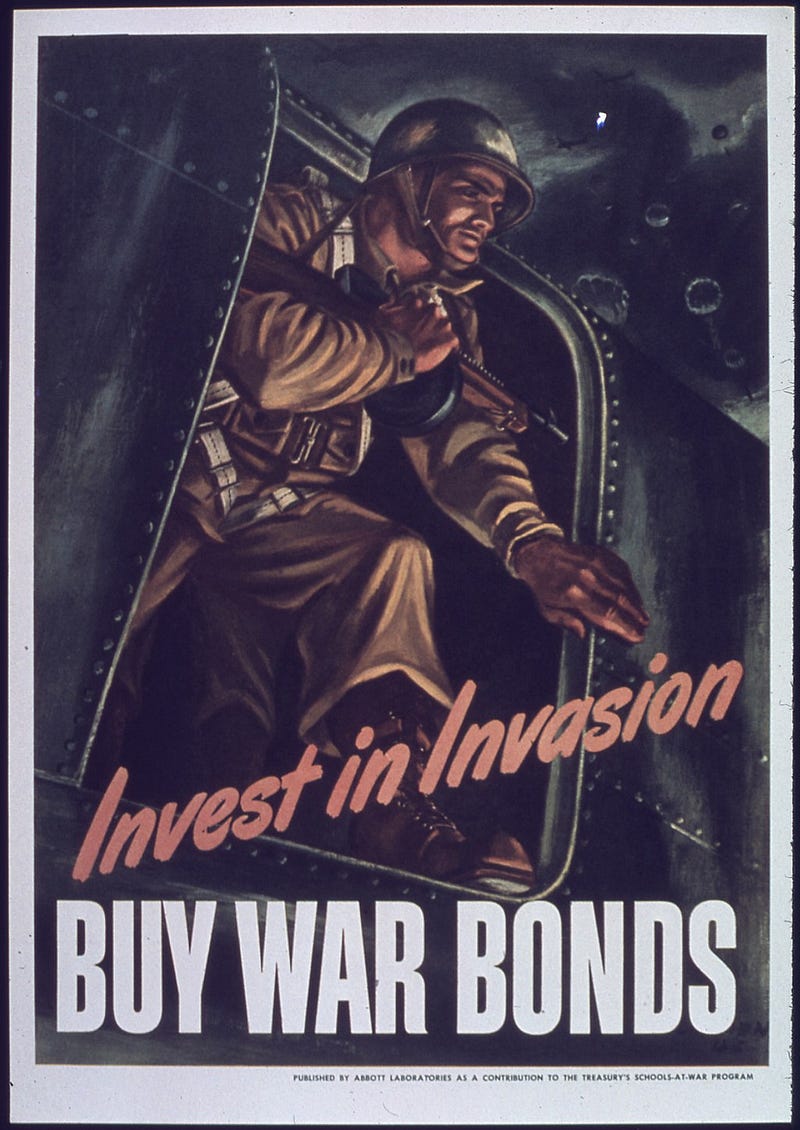
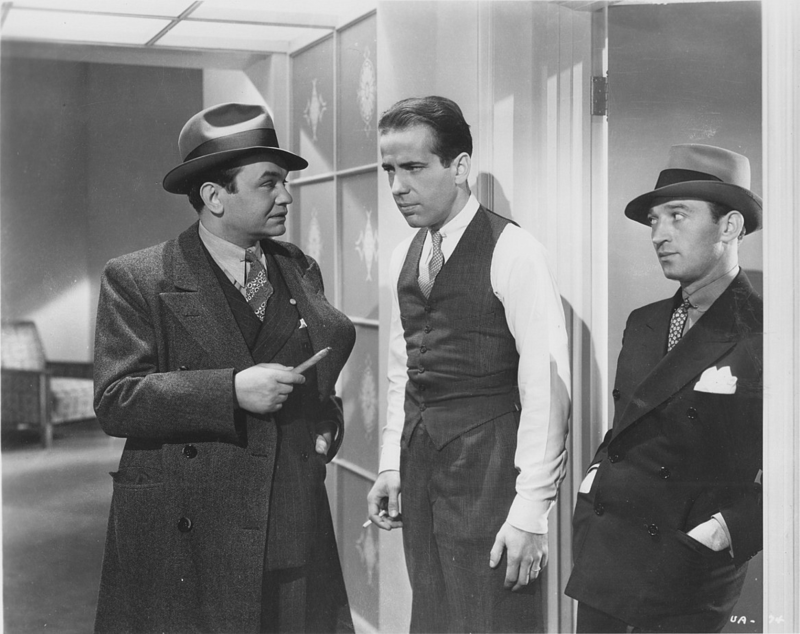
But there are other reasons that I love the 1930s and 1940s…
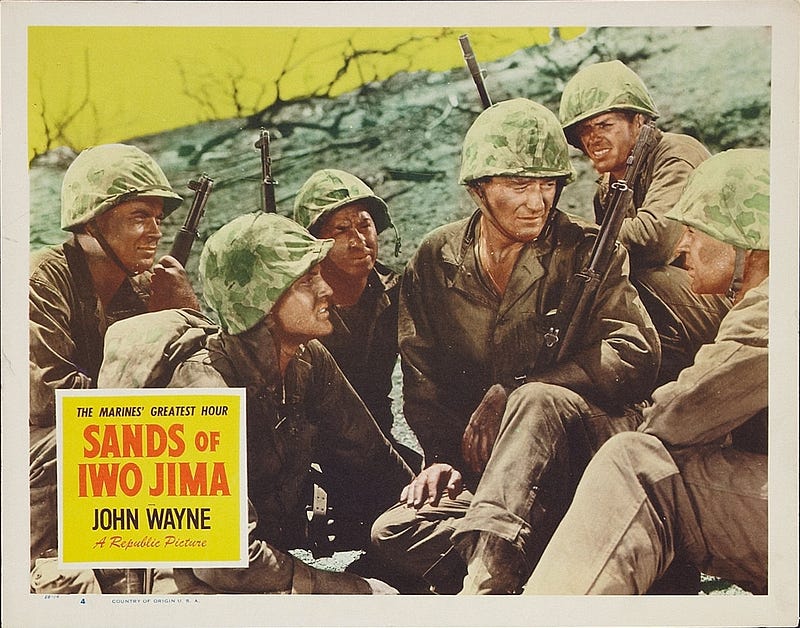
I have always loved double-breasted suits and fedoras. I have always loved typewriters that signify the persona of both great journalists and novelists of the era. I love the old cars and the nostalgia of boxcar diners. It was the era of phenomenal entertaining singers such as Bing Crosby and the Andrew Sisters. I love the films of John Wayne, Jimmy Stewart, and Humphrey Bogart such as Sands of Iwo Jima, The Philadelphia Story, and Casablanca.
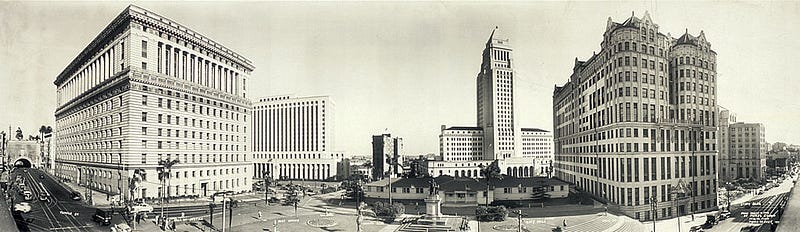
I’d also say that the 1930s and 40s would’ve been the only time in which I would have the desire to see the great metropolitan cities of America — Chicago, New York City, Atlantic City, and definitely — Los Angeles. In today’s time? No…frickin’….way. The closest I will probably ever get to Los Angeles now is L.A. Noire.
So, the fourth and fifth decade of 20th century America becomes a sort of fantasy land in my own mind where I think of all the things that could be and all the things that would not be because it isn’t the 21st century…there are no cell phone screens to keep our minds constantly hijacked by their glowing antics, there is no Facebook but face-to-face time, no damned reality TV melodrama, there is no ludicrous 24-hour-news-cycle that causes unnecessary division, mainstream movies are exciting and of greater quality, and you could let your kids walk the streets without having to worry about them like parents have to nowadays.
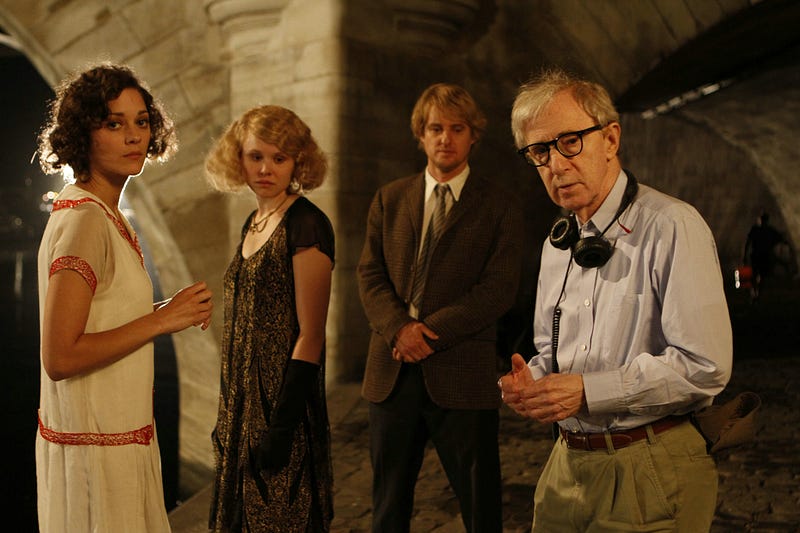
In a lot of ways, I am like Gil Pender — Owen Wilson’s downtrodden screenwriter character in Woody Allen’s 2011 romantic comedy, Midnight In Paris.
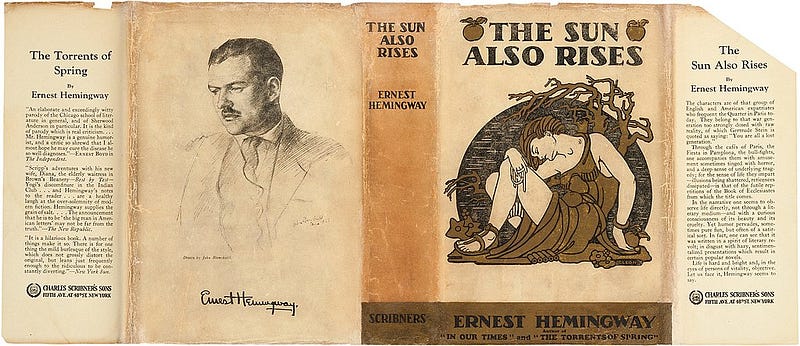
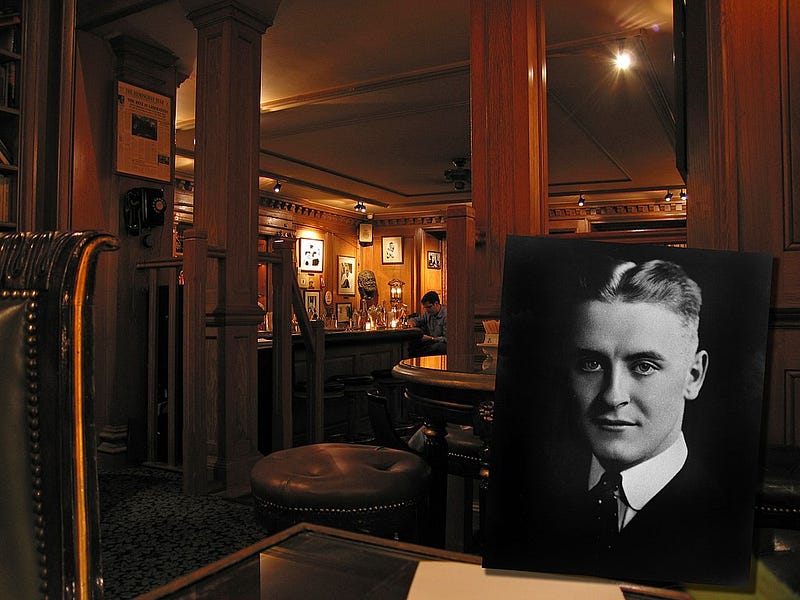
Gil is a man who is obsessed with the beautiful city of Paris and particularly ruminates Paris in the 1920s, in which many artists, writers, musicians, and thinkers were enthralled in a renaissance of their own making that would spawn a cultural saga and a new aesthetic worldview that would define their own era, and inspire many others in the course of time. It was the era of a city in which Pablo Picasso would continue to grow his already monumental legacy in the art world with his “Cubist” imagery, while fellow Spanish painter Salvador Dali advanced the “surrealist” movement along with French writer-poet André Breton. Irish novelist James Joyce published his novel, Ulysses, with the help of Sylvia Beach who owned the famous Shakespeare and Company bookstore, becoming one of the most phenomenal and controversial novels of 20th-century literature. F. Scott Fitzgerald and Ernest Hemingway frequented the Dingo Bar on 10 rue Delambre, where they first met in 1925, with Fitzgerald having recently published what would be considered his magnum opus — The Great Gatsby, while the latter would publish his breakthrough novel, The Sun Also Rises, a year later. They would also gather with other famous writers and artists at the salon of American writer and art collector Gertrude Stein, who was influential in Hemingway’s literary career as a mentor.
Following the many painters and writers, various other artists established themselves as revolutionary innovators in their own respective fields with Coco Chanel selling her very first perfume Chanel №5, Russian composer Igor Stravinksy creating his famous ballet Les Noces, George Gershwin’s composing his jazz-orchestra piece An American in Paris, and French fashion designer Paul Poiret throwing lavishly wild parties that have a legacy of their own.
Walking amongst these spots once frequented by figures of historical celebrity, Gil takes in Paris’ famous locations such as Giverny, Palace of Versailles, the Sacré-Cœur, and Pont Alexandre III with his obnoxious fiancee Inez (Rachel McAdams), her pretentious parents (Kurt Fuller & Mimi Kennedy), and the like-mannered friend of Inez, Paul Bates (Michael Sheen). During the day, Gil suffers these excursions as he accompanies his inlaws, his fiancee, and Paul (serving as their pedantic tour guide) touring Paris, suffering the snide dismissals from the four as they downplay his passionate love for the city, while they live up to the vain, shallow, materialistic American tourist cliche.
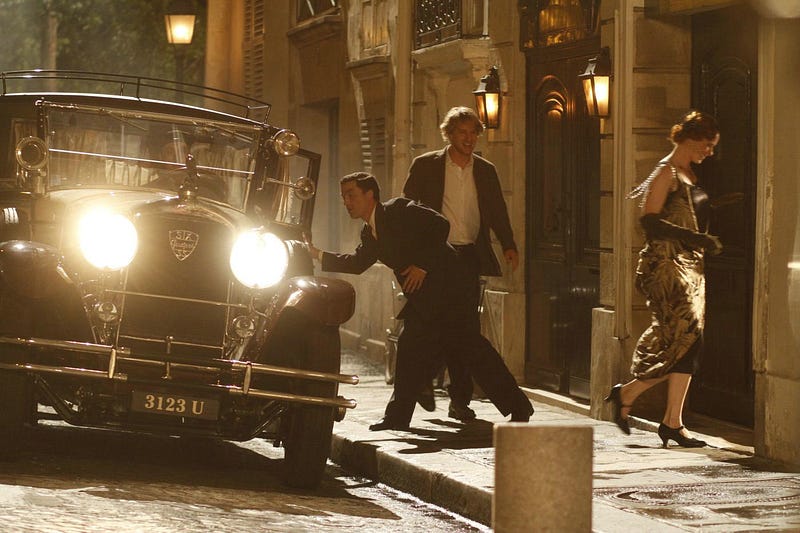
But at night, alone and with the city to himself, Gil travels back in time in an old Peugeot limousine to the idolized 1920s where he meets his literary and artistic heroes such as Ernest Hemingway (Corey Stoll), F. Scott Fitzgerald (Tom Hiddleston), Gertrude Stein (Kathy Bates), Salvador Dali (Adrien Brody), Cole Porter (Yves Heck), Pablo Picasso (Marcial Di Fonzo Bo), Man Ray (Tom Cordier), Luis Buñuel (Adrien de Van), and others. He also meets a gorgeously charming young apprentice to Coco Chanel and a girlfriend of Picasso’s, Adriana (Marion Cotillard). Almost instantly, Adriana and Gil are attracted to one another.
Incomprehensible to him as to how this actually happens, his absorption into a time fonder and unblemished compared to his own 21st century, is accompanied by an immersive nostalgia that detains him from questioning the mystery of it all. Why would he, when he is in a time in which he is spared modernity’s belittling cheapness, its vanity, its mediocrity in terms of easily complaisant tastes, and the thoughtlessly engineered prosaic task of writing forgettable movie scripts that only intensify his dissatisfaction? How could Gil resist the 1920s, just as I would find myself hard-pressed to do likewise if I were to go back in time to the 1940s?
“Can you imagine how drop-dead gorgeous this city is in the rain? Imagine this town in the ’20s. Paris in the ’20s, in the rain. The artists and writers!” Gil says ecstatically in the beginning to an unfazed Inez.
And when he’s there, in 1920s Paris — why go back?
This question in the eyes of the romantic is never to be answered. But once one no longer resists the reality of the present, one is forced to confront the disappointing actual circumstances cultivating these flights of fancy.
“No,” Cotillard’s Adriana insists. “I’m from the ’20s, and I’m telling you the golden age is La Belle Époque.”
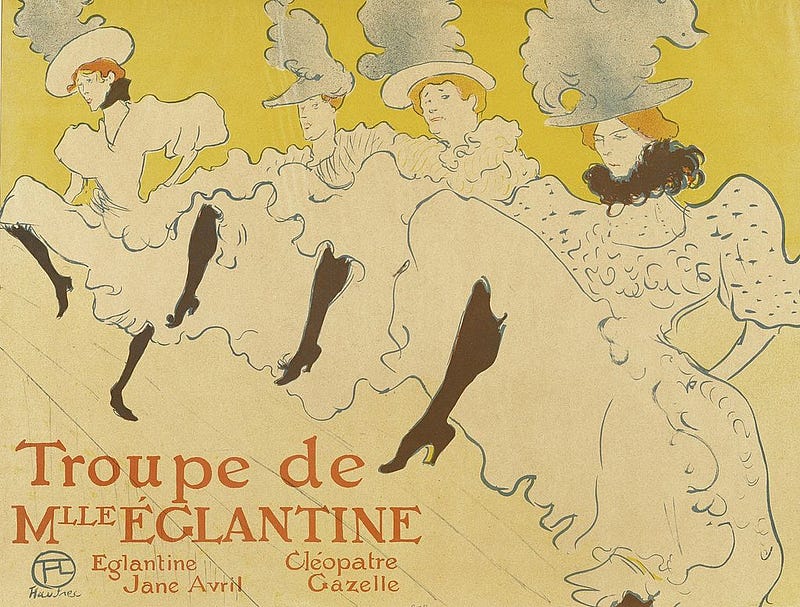
Just as Gil romanticizes Paris in the 1920s, Adriana feels the same way about Paris at the turn of the century. Paris’ prime era is not in the 1920s — it is not the time of Picasso, Hemingway, Stein, or Dali, but in the 1890s — the time of Paul Cézanne, Paul Gaugin, Marcel Proust, Henri de Toulouse-Lautrec, Edgar Degas, and the posthumous celebrity of Vincent van Gogh.
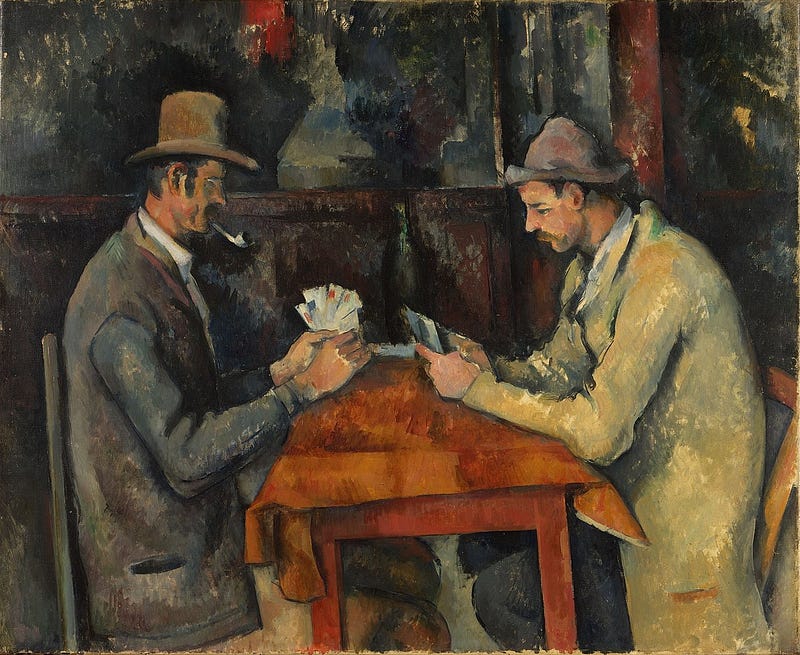
In a scene towards the end, Adriana and Gil are in 1890s Paris where they are at a cabaret, they subsequently meet Gaugin, Toulouse-Lautrec, and Degas. When Adriana expresses her love for their era, they instate that the 1890s are not the golden era, but it is the Renaissance that is so.
And that is what breaks the ice for Gil where he is able to fall into the cold water of reality, and finally wake up to the meaning behind all of this nostalgic escapism.
When Adriana expresses her desire to never return to the 1920s but remain in the 1890s, Gil attempts to enlighten her on the same mistake he has been making.
“Adriana,” says Gil, “if you stay here though, and this becomes your present then pretty soon you’ll start imagining another time was really your…you know, was really the golden time. Yeah, that’s what the present is. It’s a little unsatisfying because life’s a little unsatisfying.”
The present is a little unsatisfying because life’s a little unsatisfying…
This being stated, it serves as a rude smack across the face for people like me who’ve always had a nostalgic imagination and its ability to lead us astray from presently living our lives. It is what shakes one out of a satisfying past to an unsatisfying present that makes us realize our preference of fantasy over reality, freedom over constraining obligations, liveliness over dullness, class over shabbiness, distinction over plainness, and passion over apathy, all former sentiments belonging to those romantic times of yore, all of the latter belonging to modernity.
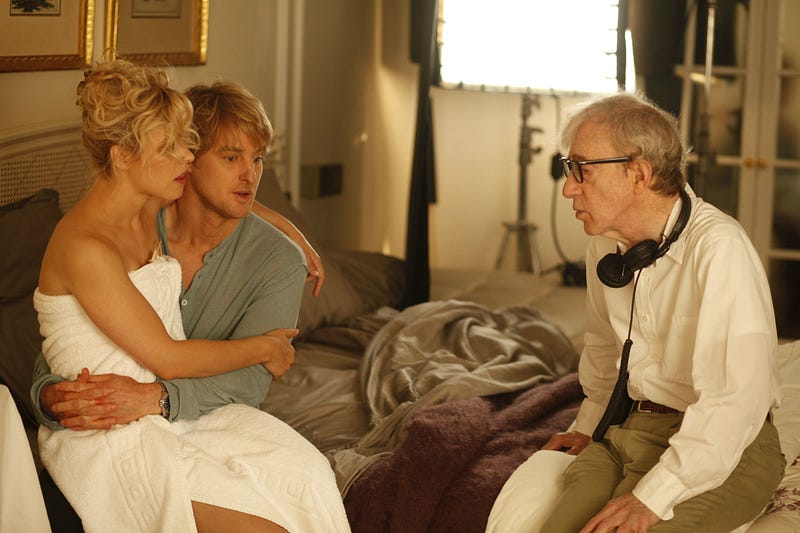
However, this is not entirely a bad thing. In fact, it can be a very good thing if one knows how to refrain from falling into complete despair over the present, from slavishly succumbing to historic fantasies, and is able to incorporate both the idealism of the past with the realism of the present respectively. But how this is to be done is naturally based on an individual case-to-case basis. After all, more or less, this is indeed an existential struggle, something which has often been a central theme in the films of Woody Allen.
Nostalgia is a wondrous epoch and it is a good, healthy thing that is just another component of us that makes us human. But it also has the potential to be too much of a good thing, as in Gil Pender’s case.
Out of all the pompous superficial pseudo-intellectual rhetoric that Michael Sheen’s character Paul spills during his onscreen time, he does say one thing that is both correct and of value in relation to Gil’s problem (as well as for us who are like him):
Nostalgia is denial — denial of the painful present…the name for this denial is golden age thinking — the erroneous notion that a different time period is better than the one’s living in — it’s a flaw in the romantic imagination of those people who find it difficult to cope with the present.”
The nature of the past, the past within human nature is made to be romanticized, venerated, and to a degree, mimicked. But it is not supposed to be an instrument of negation from what is the era in which our very own lives take place. It is not meant to be a place like Never-Never Land, where we have the choice to stay indefinitely, and never grow old.
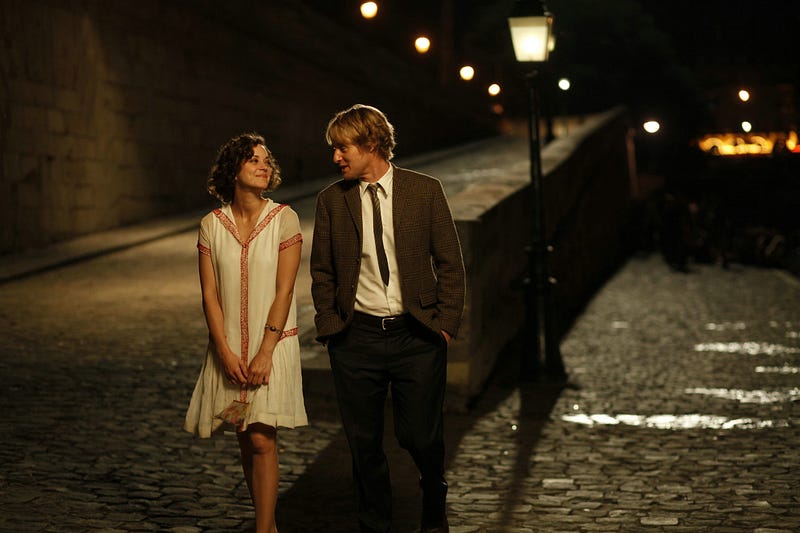
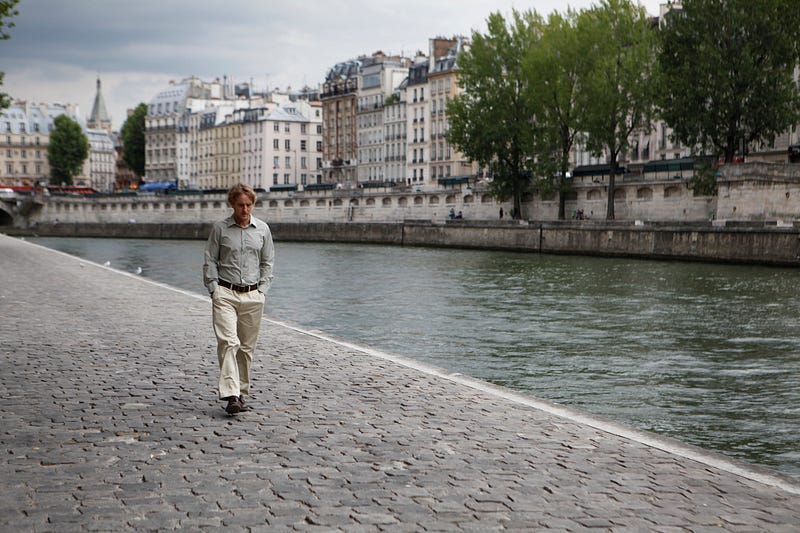
When nostalgia is abused, based on Paul’s words, it signals for us a wake-up call that there is something we’re not dealing with in the present. Like Gil, we may flee our deeply entrenched woes and anxieties at the stroke of midnight but they’ll remain where they are in our lives come dawn.
It just comes to show one that nostalgia, like everything that is a given innocence, has the potential to become profane when we transform it into an intoxicating remedy that is, like all such remedies, always granting yet always momentary.
Grauman’s Chinese Theatre in 1947 Los Angeles can only do so much for me just as the Moulin Rouge in 1926 Paris can only do so much for Gil.
In conclusion, it is after all this we return to the present and make sure we remain in it to where we’re fulfilling our lives in our own time. What we do then is up to us based on our individual qualities and desires that are associated with our God-given talents and aspirations, be they centered in the world of art, literature, philosophy, academics, glassblowing, medicine, sports, farming, or entertainment. From thereon, we not only fulfill ourselves but also have the potential to create a modern distinction that will lend itself to the nostalgic appetites of future generations to come.


_1895-6.jpg)
