
What We Can Learn From a Radio Show Ran by a Group of Women in a Concentration Camp During WW2
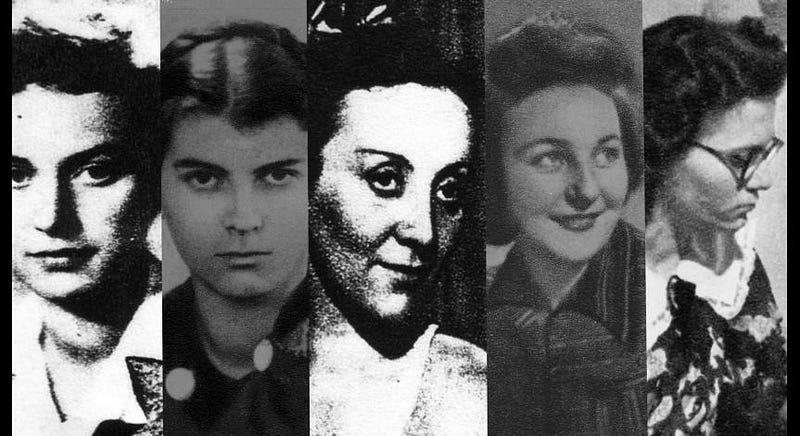
During WW2, on the outskirts of the city of Lublin within Poland, was Majdanek, the second biggest German concentration camp.
Aside from the torture that was common during those times, scholars believed that the conditions of this camp were particularly severe. Tactics such as epidemics and starvation caused more deaths at Majdanek than shooting or gassing.
Yet, even under the most terrible human conditions, a group of women prevailed (as they do). Matylda Woliniewska, a Polish woman with a background in social activism, began an imaginary radio show called Radio Majdanek whilst in the camp. Though the studio and equipment were imaginary, the show itself was very much real. She aimed to provide the inmates with an escape from their dark reality. Matylda was not alone in this quest; other women evidently joined her pursuit: Danuta Brzosko, Alina Pleszczyńska, Hanna Fularska, Wiesława Grzegorzewska, Romana Pawłowska, Helena Konc and Stefania Błońska.
“You could ask why we chose the form of radio … We considered it attractive, but primarily [chose it] because all Poles across the country had their radios taken away and were forbidden from listening to radio […] that is how we demonstrated our independence of spirit.” (Woliniewska, 1958: 5)
The women deported to Majdanek had something other than bitter cruelty to look forward to: two episodes of Radio Majdanek every day from the top bunk bed.
Every morning, Helena started off the broadcast with a spot-on imitation of a crow. She reportedly never overslept. Following the crow was the morning opener: “Hello, hello! This is Radio Majdanek! Good morning ladies.” The women in the show cheerfully projected their voices from their beds and went on to announce the date, weather, and recent incidents surrounding the camp. They also recited poems and bits of novels from memory, gave name day wishes, and reminded inmates of the essential concepts of community. Each episode concluded with instilling hope in the inmates. “Tomorrow will be better” was the closeout phrase every single morning and “Every day brings us closer to our freedom” was the evening closer.
Radio Majdanek undoubtedly uplifted spirits. Thanks to the broadcasts, Danuta Brzosko adds, “We are no longer the animals hounded in their cages. Our sense of humanity is revived, and with it grows our will to resist”.
In addition to the fact that they were able to muster the emotional and physical strength to start a radio show in a concentration camp, perhaps the most impressive fact is that the show was often also filled with humor.
A written excerpt from one of the episodes goes as follows: “Hello, hello! Fellow inmates! The recent fashion trend is very unique: everyone ought to wear a dress, blue and grey stripes only! Also, the stockings mustn’t match — if one is black the other must be beige or, alternatively, one brown and one ash-grey. The currently fashionable shoes must be wooden with a very thick sole, and a wretched paper top. All the hats must be replaced with all sorts of headscarves and cloths — as unvivid and warm as possible. So much for the current fashion trends.”
The women in the show cracked jokes about their clothes and hair to make light of their situation. Can you imagine sitting in a concentration camp and laughing at what you’re wearing? Better yet, can you imagine trying to make your fellow concentration camp inmates laugh with jokes about your clothes? These women were extraordinarily courageous.
At Majdanek, it was part of the camps’ scheme to pin inmates against each other. But the radio show used humor to sway women away from falling for this. They mocked the SS-men who helped the inmates be less susceptible to fear. They even cracked self-deprecating jokes about their own untidiness and selfish acts in the camp. These satirical depictions of their own actions had an influence in shaping the women’s overall attitudes.
There’s the obvious lesson here: community has proven, time and time again, to get humans through hardship. From the wise words of Bell Hooks: “One of the most vital ways we sustain ourselves is by building communities of resistance, places where we know we are not alone.”
And from the wise words of Doja Cat in the song Woman:
They wanna put us against each other when we succeedin’ for no reasons
They wanna see us end up like we Regina on Mean Girls
The most fascinating thing about this story is not the jokes themselves, but the sheer grit these women had to even attempt humor in these situations. Most wouldn’t dare laugh under these circumstances. And who could blame them? If I were stuck in a concentration camp, I would think my laughing days are over. I would feel guilty even at the thought of laughing about anything. How dare I? What could possibly be funny?
But Radio Majdanek took a risk with humor and showed the other women: it’s ok to laugh. Because we’re human. We are not bad people if we make jokes about our terrible circumstances. We deserve a moment of relief. The show, above all, reminded inmates that they are more than just inmates. They are human. And the moment they start to surrender things like laughter is the real moment they died.
While there is a time and place for everything, humor is an integral aspect of fostering any community. If these women can push through every day at Majdanek with the power of comedy and camaraderie, then you can get through your day, too. And if all else falls on deaf ears, you can always end any bad day with the Radio Majdanek phrase: “Tomorrow will be better.”
If you made it this far, I hope you enjoyed reading this. Consider signing up to become a Medium member. It’s just $5 a month and you get unlimited access to all articles Medium.


