avatarEli Louise

Summary

Aristotle's philosophy on living a good life emphasizes the pursuit of intellectual virtue and contemplation as the highest good for humans, distinguishing them from animals and plants.

Abstract

The article delves into Aristotle's perspective on achieving well-being and a good life, as outlined in his works "Nicomachean Ethics" and "Politics." Aristotle dismisses wealth, honor, and bodily pleasure as ultimate goals, advocating instead for the cultivation of our unique human capacity for reason. He posits that true human fulfillment lies in the development of our intellectual faculties, which he reveres as divine. The good life, according to Aristotle, is characterized by contemplation and the continuous acquisition of knowledge and intellectual virtues.

Opinions

  • The author admires Aristotle as their favorite ancient Greek philosopher.
  • Aristotle considers the pursuit of wealth, honor, or physical pleasure as intrinsically deficient.
  • He believes that what sets humans apart is our ability to reason and that a life dedicated solely to bodily pleasures is unfit for humans, likening it to the life of a pig or cattle.
  • Aristotle holds the capacity for rationalization in high regard, considering it a God-Like attribute.
  • A life that does not prioritize the development of intellectual faculties is seen by Aristotle as failing to realize the essence of being human.
  • The article suggests that engaging in contemplation and lifelong learning is essential to living a good life according to Aristotelian principles.

Aristotle: The Key to Living a Good Life
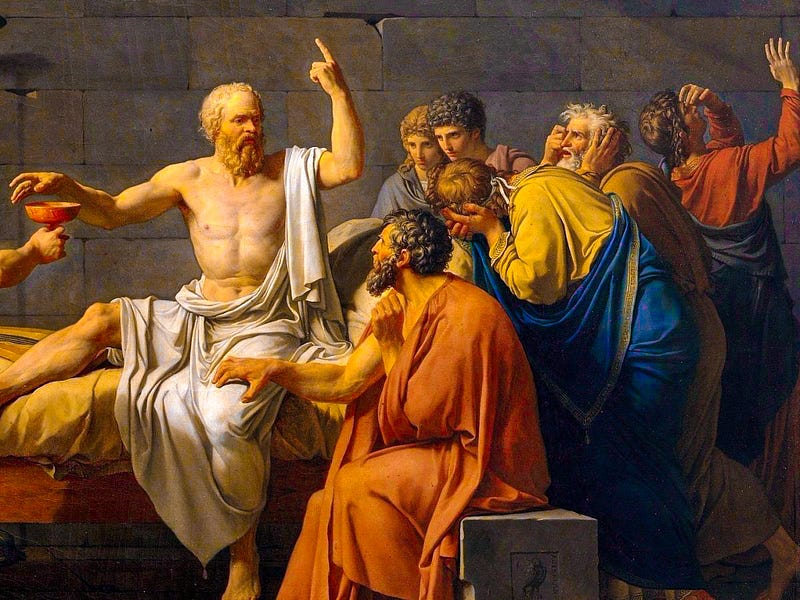
Aristotle is by far my favourite ancient greek philosopher.

This is an examination of his account on well-being and the good life as presented in the Nicomachean Ethics and Politics.

For most, the highest good in life lies in the pursuit of wealth, honor, or satisfaction of bodily pleasure.

Aristotle argued that all of the following were intrinsically deficient.

He argued that the highest good in life must be found in something that is consistent with the maximization of our faculties as human beings.

He started diving deeply into this matter by studying the characteristics of living things. In consequence, he realized — what separates humans from animals or plants is our capacity for reason.

Hence, a life aimed solely at the satisfaction of bodily pleasure, must not be fit for human beings but very much so fit for a pig or cattle.
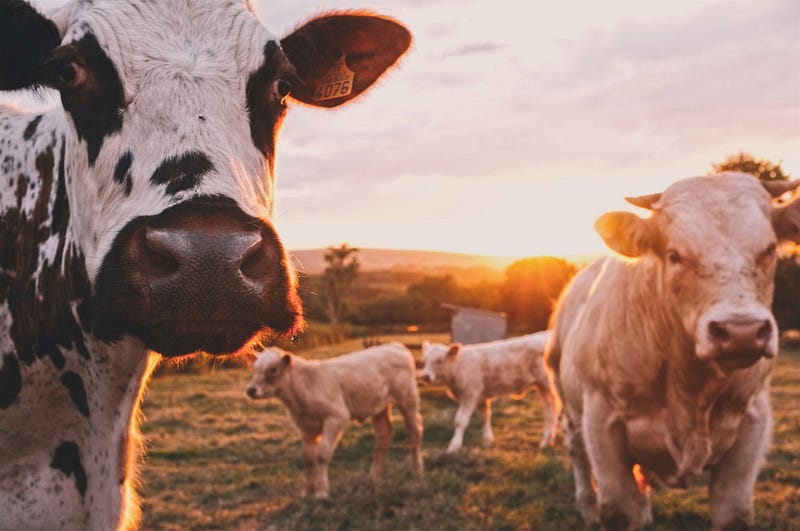
Photo by Stijn te Strake on Unsplash

This ability to engage in rationalization, he further went on to rate as being God-Like.

To Aristotle, a life not committed to the pursuit of our intellectual faculty development — he plainly regarded as — missing out on what it means to be human.

The good life, therefore, must include contemplation and learning or acquisition of the intellectual virtues.

Originally published at https://elilouise.medium.com on December 15, 2021 and here.

Philosophy
Good Life
Aristotle
Recommended from ReadMedium