
What Visiting Antarctica Taught Me About Nature
The region unchanged by civilization is special
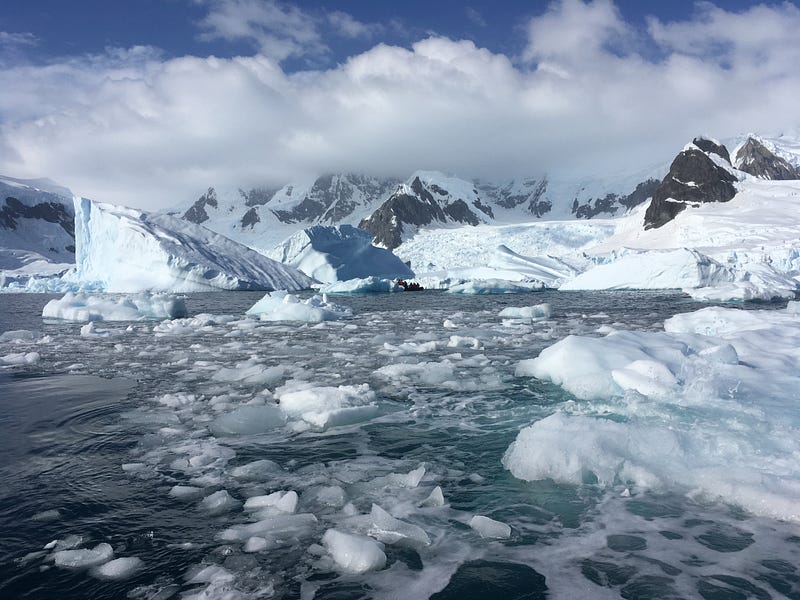
My colleague told me a decade ago he’d been offered a chance to go to Antarctica for a research project. But he lacked experience and declined.
“So cool. — I thought. I want to go to Antarctica.”
And I went there as a tourist.
Good Timing
I was lucky to start planning the trip in the summer of 2019. My dream came true in February 2020, a month before the Covid pandemic hit globally.
The bunk bed on the ship was all mine. I learned that my Chinese roommate hadn’t made it out of his country as Covid was already a big concern in China.
There are companies that can take you to Antarctica by plane or ship. I paid north of $10,000 for an 11-day sailing experience.
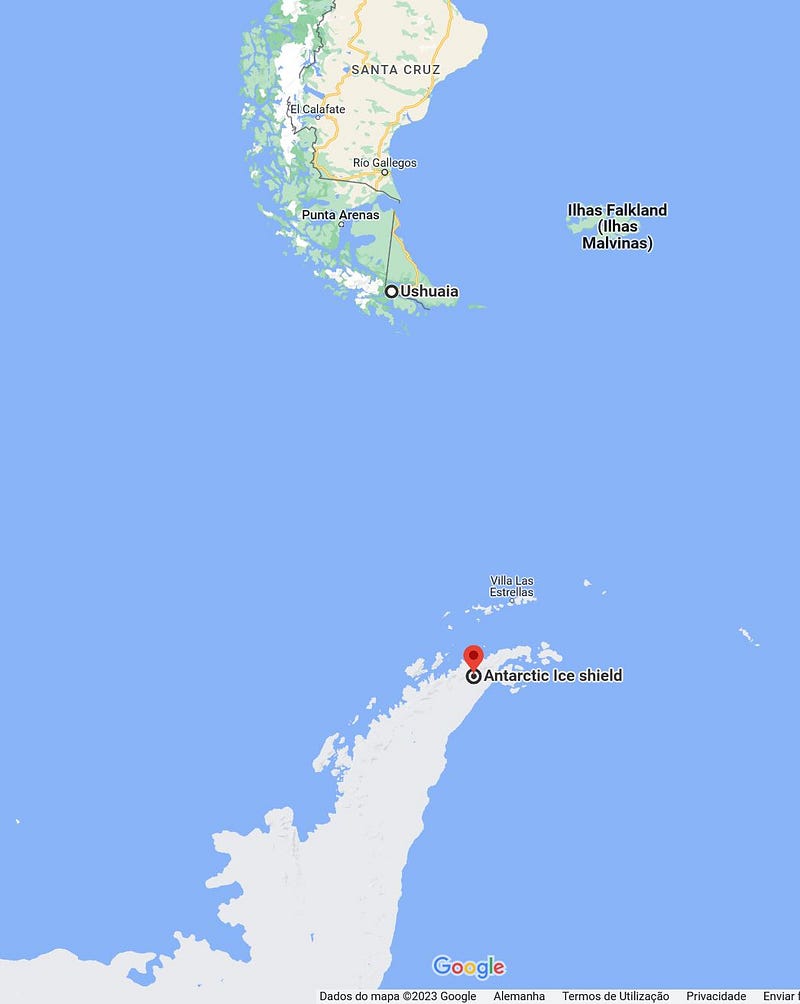
We went from Ushuaia in the south of Argentina to the Antarctic Peninsula.
That’s only the beginning of the Antarctic continent. But what you see there tells you a lot about the rest.
First Sailing Experience
That was my first cruise. I wanted to learn if I’d develop seasickness and ignored the crew’s advice to take the pill.
The thing with sea sickness is that you’re OK in a horizontal position. Like when you’re asleep. But make sure to stay close to a WC when you get up (throwing up into the sea is frowned upon.)
Trust me, you’ll get nauseous (I did). Even the toughest guys on the ship didn’t escape seasickness.
It was magically gone for the entire 11 days once I took the medication.
You pass the Drake Passage on the way to the Antarctic Peninsula. That’s one of the toughest passages on the planet.
It’s not bad in February, though. That’s summer in the Southern Hemisphere. But it gets seriously rough in winter.
You still have a hard time sleeping. The ship constantly rocks. Lying on your back is fine. Lying on the side is impossible.
But all that pales when you begin to see this:
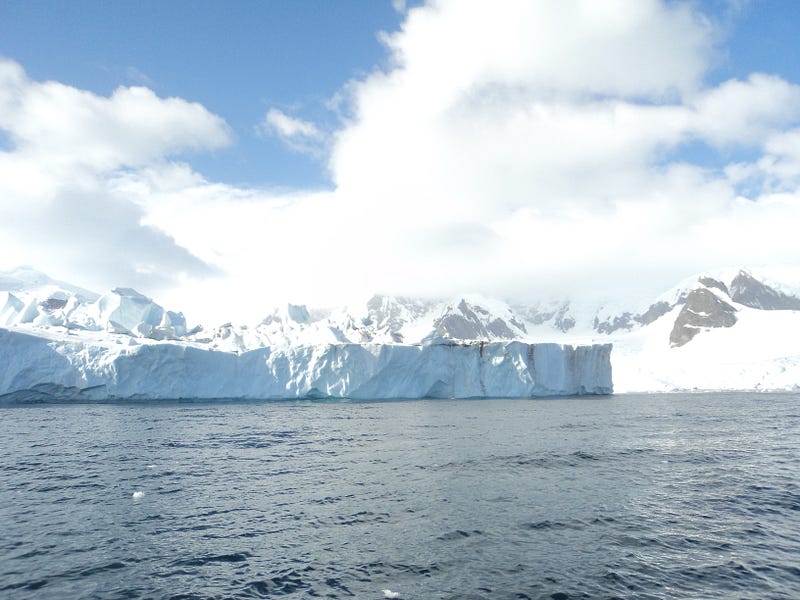
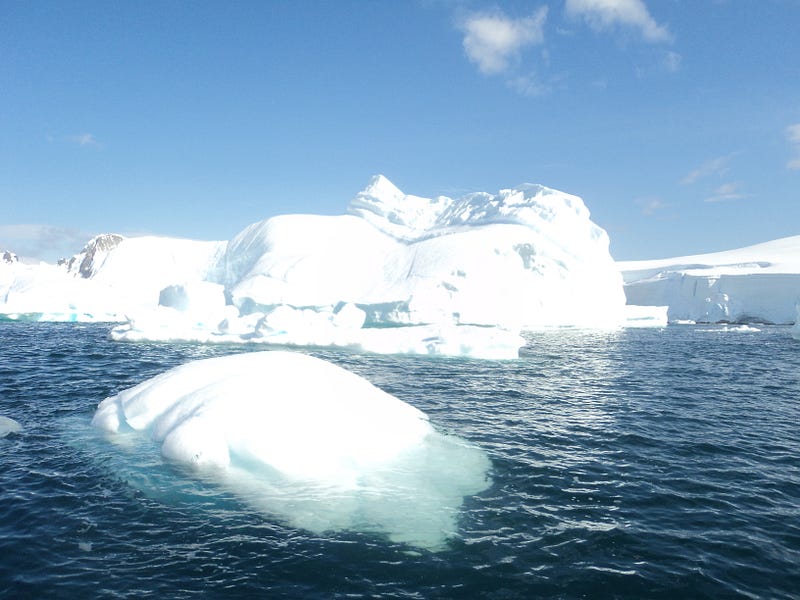
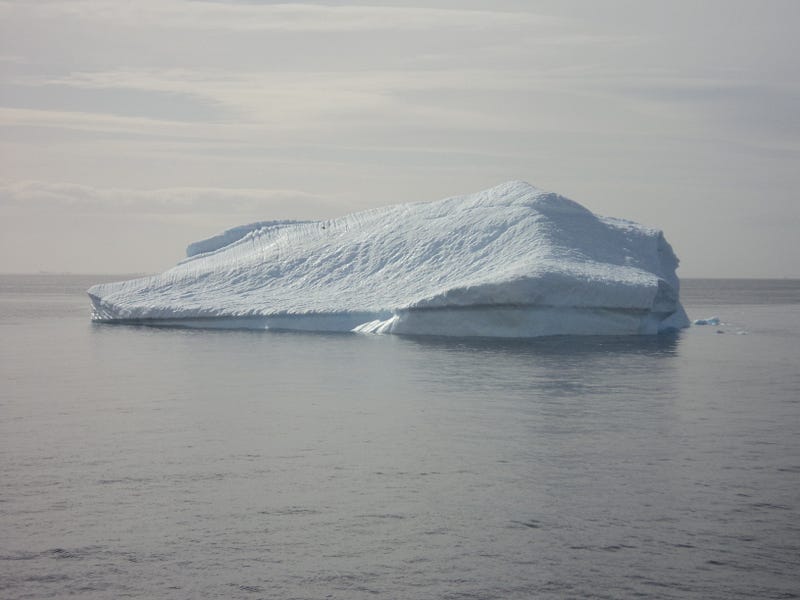
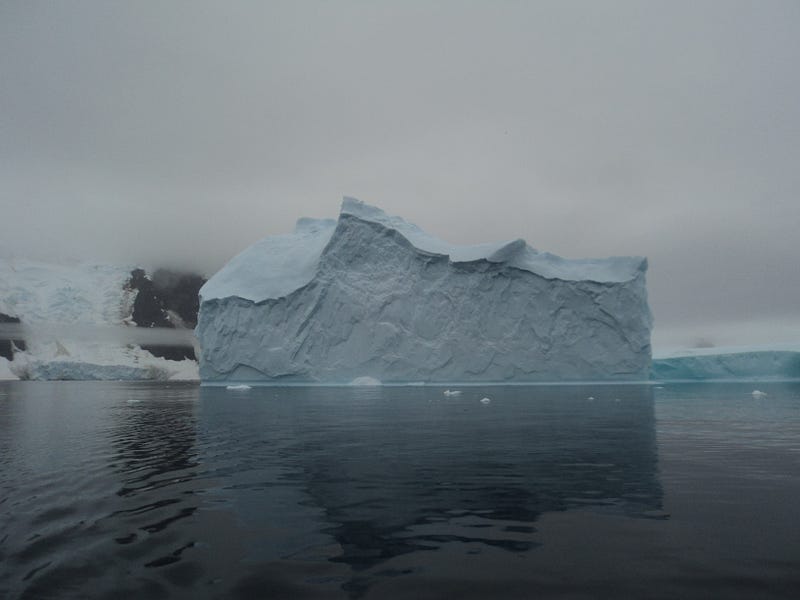
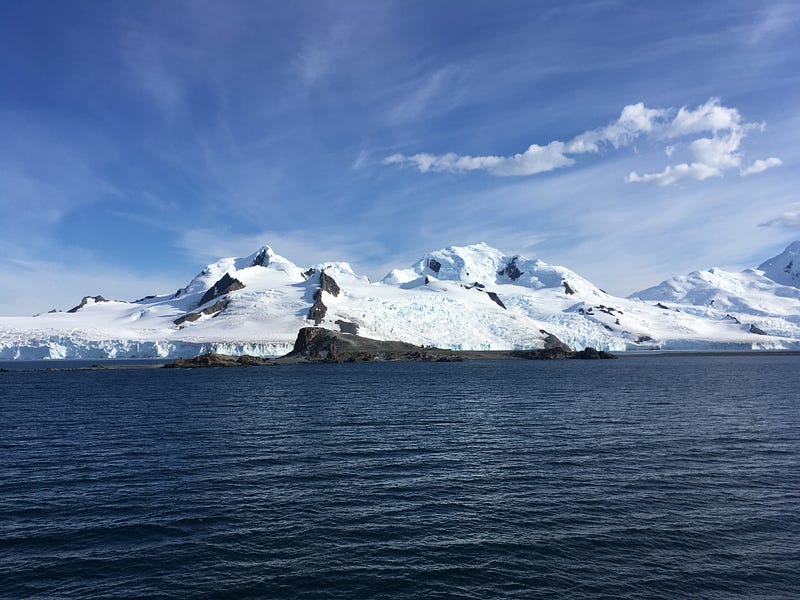
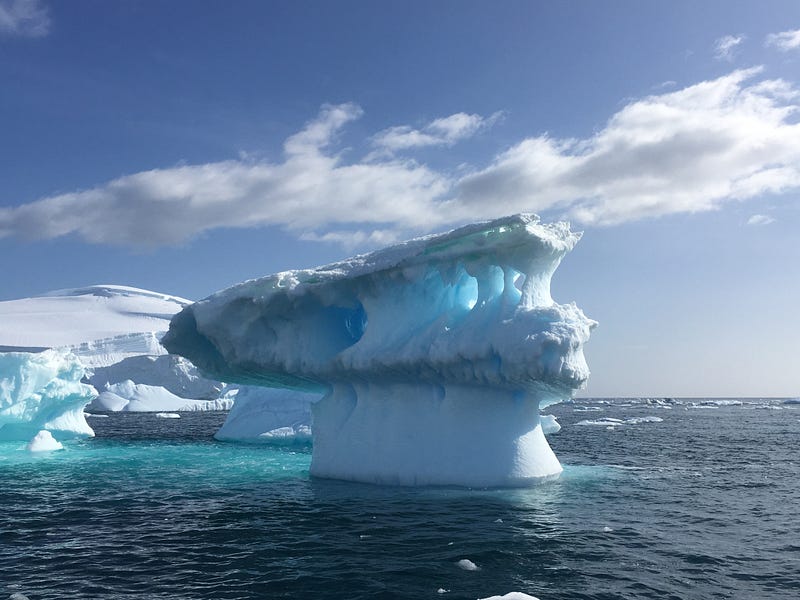
That’s when I realized that visiting Antarctica is more than just tourism.
The Realization
Antarctica is not as cold in summer as you may think. The temperature in the Antarctic Peninsula is between -5 and +5ᵒC. But you still get dressed for winter outside.
We sailed the 500 km long passage for two days. Our schedule got busy once we arrived:
- 7:00 and 9:00: Breakfast
- 9:00–12:00: First excursion — we either sailed around on an inflatable dinghy or went ashore
- 12:00–14:00: Comeback and lunch
- 14:00–15:00: Rest
- 15:00–18:00: Second excursion
- 18:00–20:00: Dinner
- 20:00–22:00: Rest
That week was both exhausting and exhilarating.
We visited the British Antarctic Station in Port Lockroy. Three young researchers live there 6 months in a row. They let us walk around and take photos.
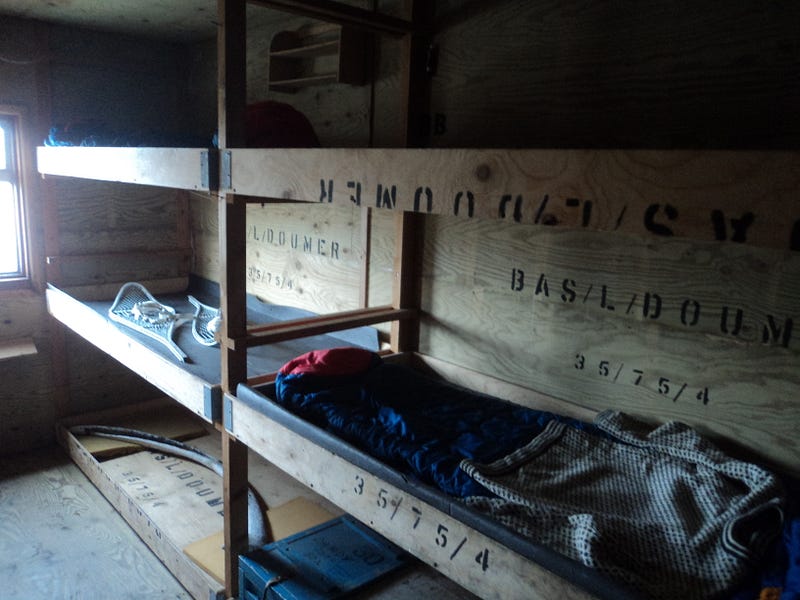
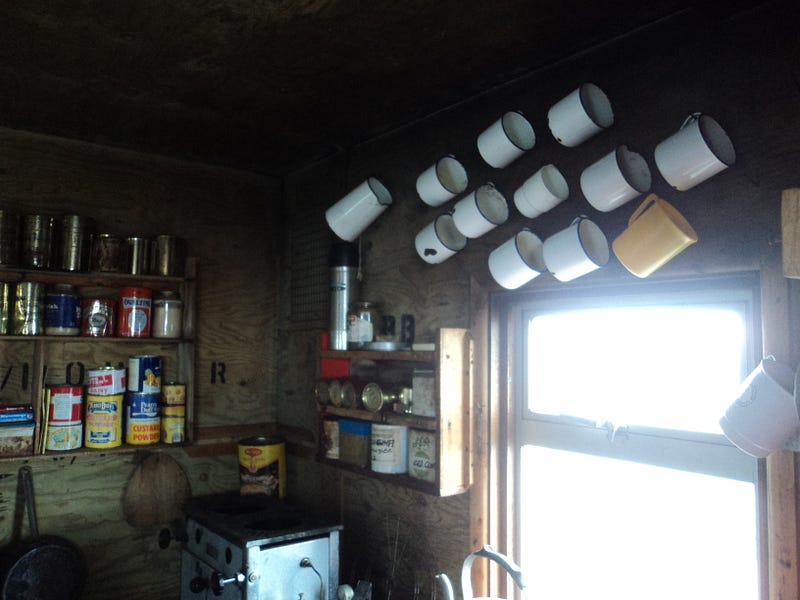
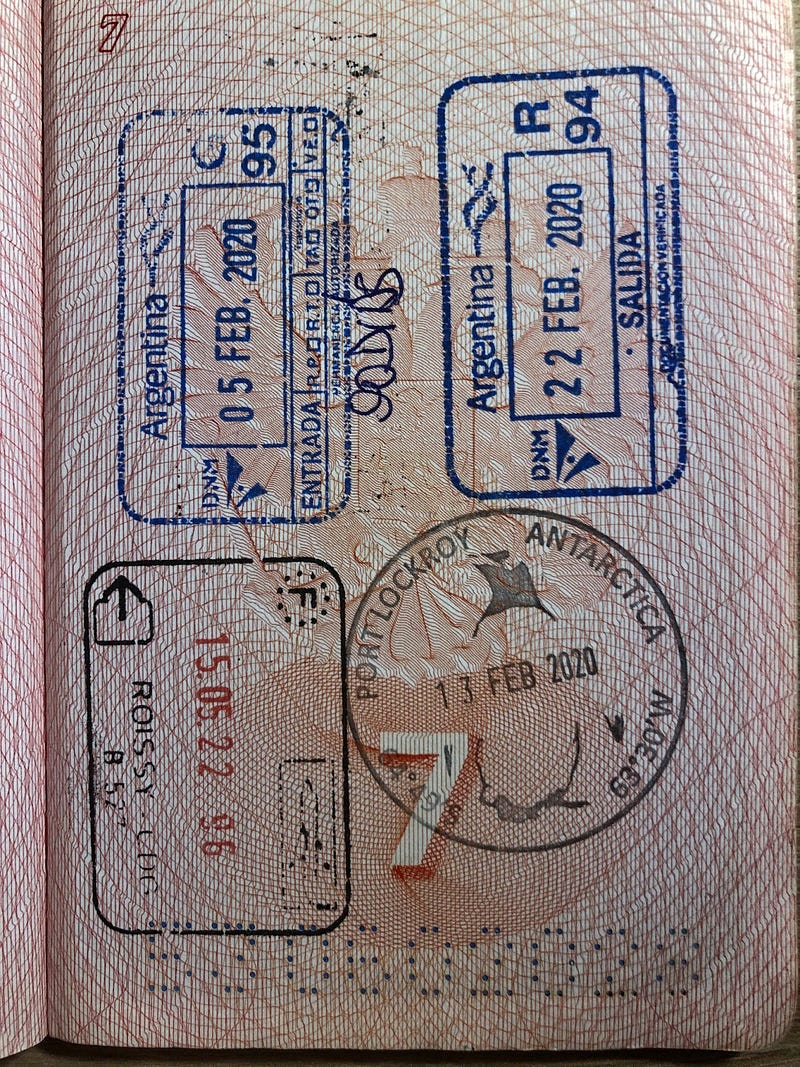
We were there “officially”. I still have a stamp of Port Locroy on my passport.
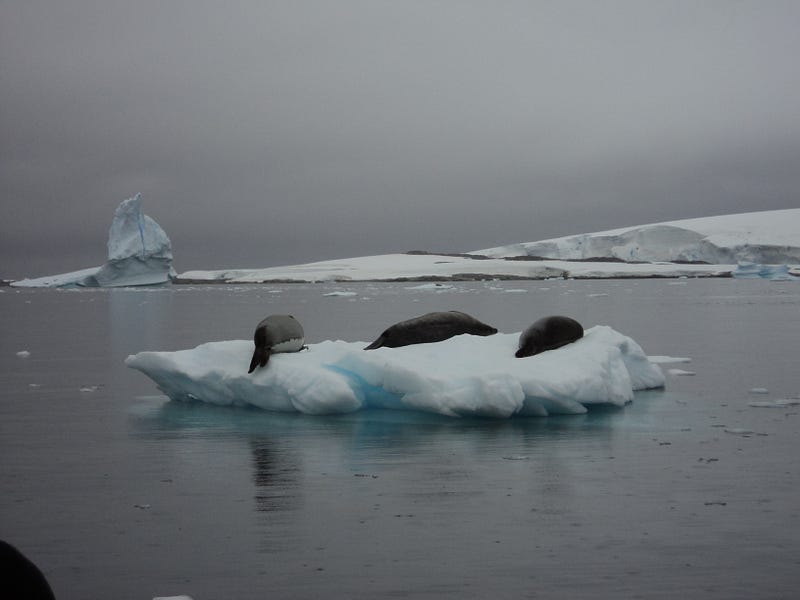
And the animals. Hundreds of penguins and seals around you. Not like in a zoo. You have direct contact with them.
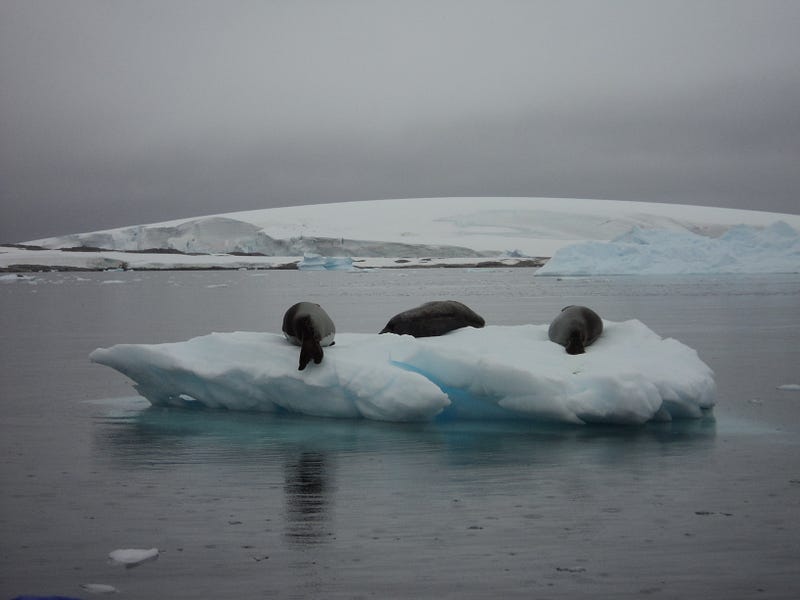
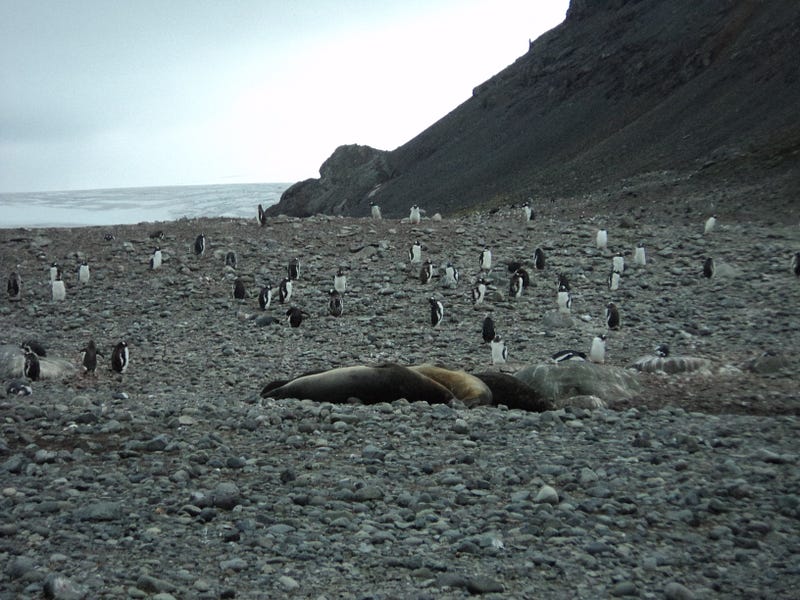
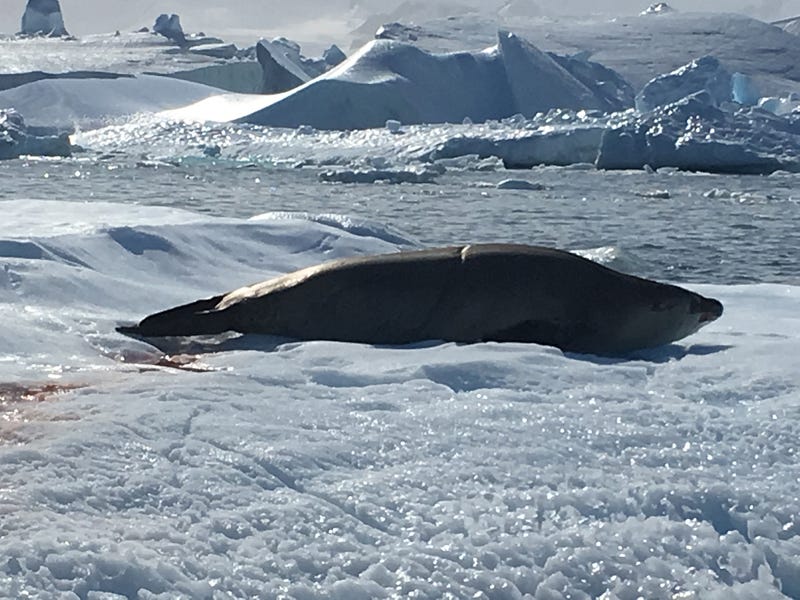
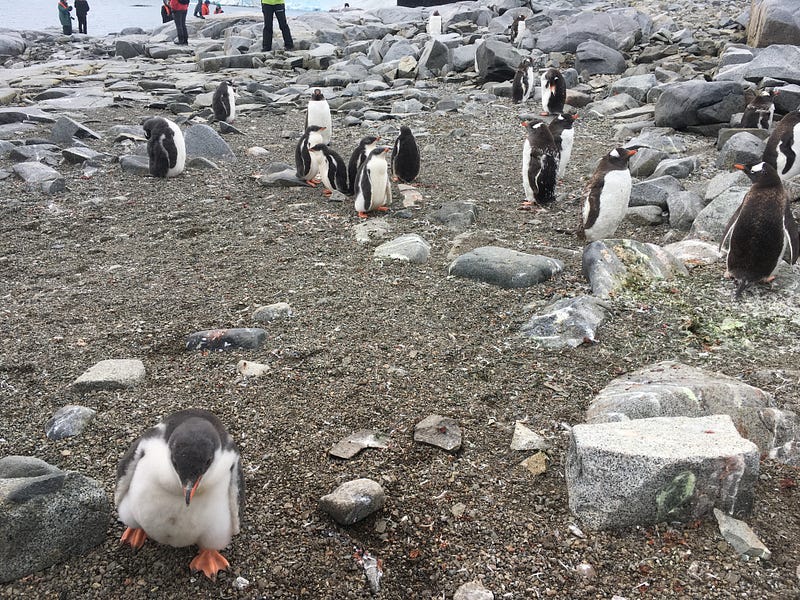
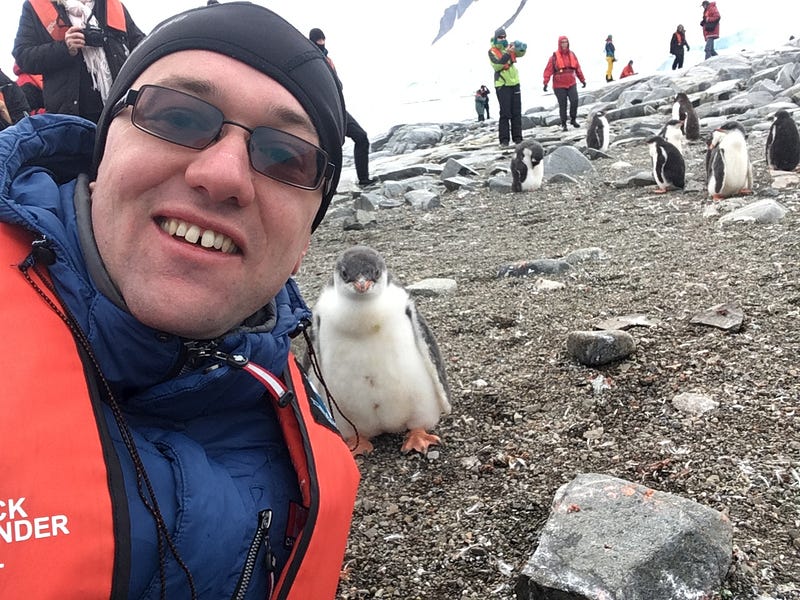
Penguins are very funny. They look busier than an Amazon CEO when going from A to B.
Seals can be dangerous. They’re large and can attack you if threatened. The physical harm comes from their dog-like bites.
They prefer to stay away from humans. A seal didn’t even attack the guy waving his shorts provocatively at him (the tourist was reprimanded right away). But the animal was clearly pissed off.
This is where it hit me.
Nature is both fragile and powerful.
We think we’re the rulers of planet Earth, entitled to benefit from its riches.
However, bringing nature out of balance will hit us like a sledgehammer. Antarctica showed me like nothing else how minuscule humans are in its expanse.
The number of catastrophes due to global warming is on the rise. Antarctica just lost an ice mass the size of Argentina.
If you ever go to the White Continent, it’ll be different from what it was in 2020.
Antarctica and Climate Change
Preserving the environment is everyone’s responsibility.
Imagine a penguin coming up in front of you. Will you stop and wait before the vulnerable creature goes on?
I believe you will. But not every human being thinks so. The spontaneous thing to do is to kick the poor animal out of the way.
The crew reminded us over and over again that we were the guests, not them. They repeatedly told us to
- not approach the animals on purpose;
- stand still if a penguin comes up (curiosity is their thing).
Antarctica is not a typical tourist destination. Yes, you go there to relax and have a good time.
You also get to see the world from a new perspective. It’s the place least altered by civilization.
We’re never going back to that pristine world. Perhaps we shouldn’t. We have built subsistence systems that provide an efficient way to distribute economic prosperity.
But we’ve gone too far. You don’t need to see the appalling consequences of climate change every day to know that something is wrong.
Antarctica is a reminder of what the world is like without humans.
Bottom Line
I typed “Antarctica” as a reply to someone’s question about the best holiday destination. When the guy asked
“What would you do there?”
My answer was
“Enjoy nature.”
You “sense” nature when you step into the huge kingdom of water and ice.
This is what the White Continent is for. We shouldn’t pollute, overfish, or urbanize it.
Antarctica isn’t there “for us”. It’s part of the global ecosystem we must preserve.


