
What Trump and Homer’s Odyssey Have in Common
The Odyssey and the Iliad are two of the oldest and most influential works of Western literature. They are among the first texts written down in the Greek language, and two masterpieces whose timeless appeal has kept them popular even three thousand years after their conception.
So it might seem questionable at first glance to compare their literary value to that of the output of Donald Trump, current president of the United States.
Nevertheless, there are some striking similarities between some puzzling features of the works of Homer and the way Donald Trump gives speeches. These similarities can point us towards fundamental properties of our memories and provide insights into the art of philology and the origin of the Greek epics.
The Homeric Question
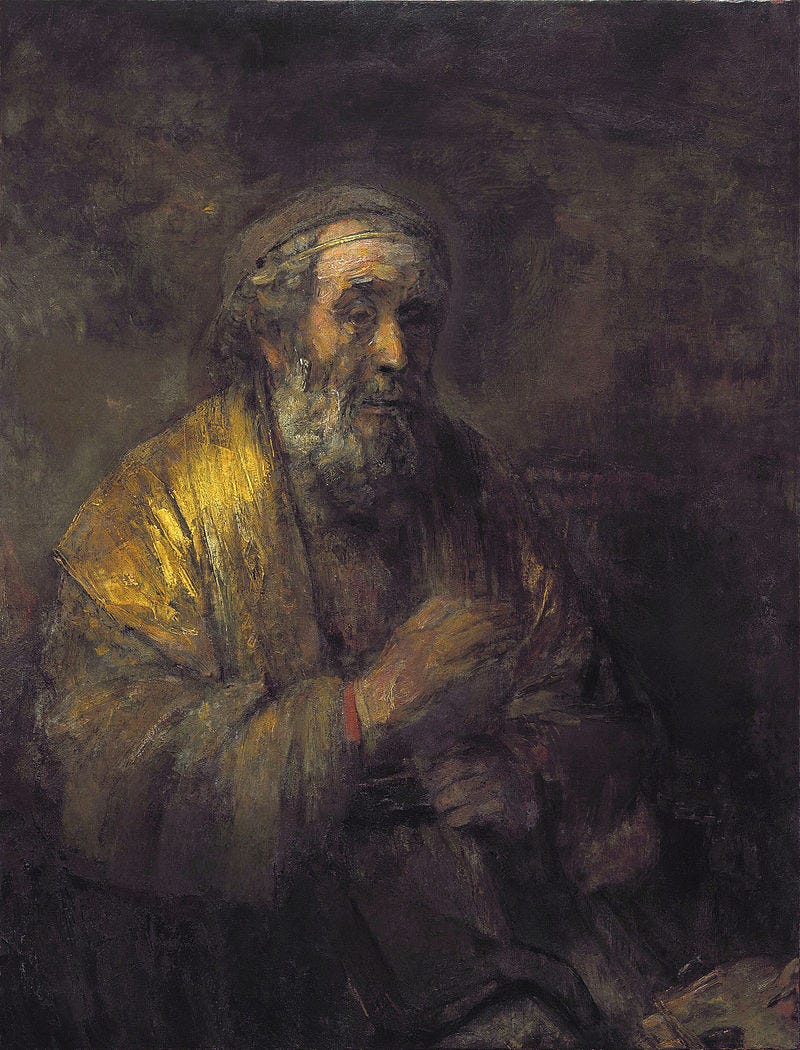
No one really knows whether a historical Homer ever existed. The question of the identity of Homer has occupied philologists (who study language in oral and written historical sources) for nearly as long as the works of Homer themselves exist. While scholars already pondered it during the Hellenistic period, it was more or less forgotten as interest in the Homerian Epics dwindled during the Middle Ages.
But the rediscovery of Greek culture in Europe at the end of the 18th century rekindled interest in the works of Homer. The intellectual life of Germany became particularly infatuated with Ancient Greece through writings of figures like Winckelmann, and all of the most famous literary figures of the time, like Goethe and Schiller, were in love with Greek literature. The Greek aesthetic ideal was highly influential in shaping European culture and poetry at the beginning of the 19th century.
This infatuation brought with it an increase of scholarly interest in Greece and the Greek language. One of its more important consequences was The Prolegomena Ad Homerum (no dear autocorrect, don’t change this to homerun), published by Wolf in 1795, which put the question of the existence of a historical Homer back into the focus of philology. It was one of the founding moments of the modern science of history: it showed that the painstaking study of source materials could turn over old paradigms believed to be true about the long-gone past.
The Oral Origin of the Epics
A second turning point in the Homeric question came over 100 years later through the work of a then only eighteen-year-old Milman Parry, whose most important insight brings us back to the topic of this article.
There are several stylistic idiosyncrasies in the Odyssey and Iliad that seem weird to the modern reader. Odysseus is always called “clever Odysseus”, Athena is “gray-eyed Athena”, Achilles “swift-footed Achilles”. Even when she is crying, Aphrodite is paradoxically referred to as “laughing Aphrodite”.
A good writer would never keep on describing his characters with the same repetitive adjectives again and again. In works of literature as esteemed as the Odyssey, the clichéed nature of the characterization seems almost unforgivable, and so they feel naturally puzzling to a modern reader.
But as Parry realized, their point lies somewhere entirely different: everything makes sense if you consider that the epics of Homer were first conceived of and transmitted in an oral tradition over the course of centuries by many generations of bards, and probably only written down hundreds of years after their first conception. Their repeated expressions, or “formulas” as Parry called them, helped fix the epics in the minds of the orators and listeners alike.
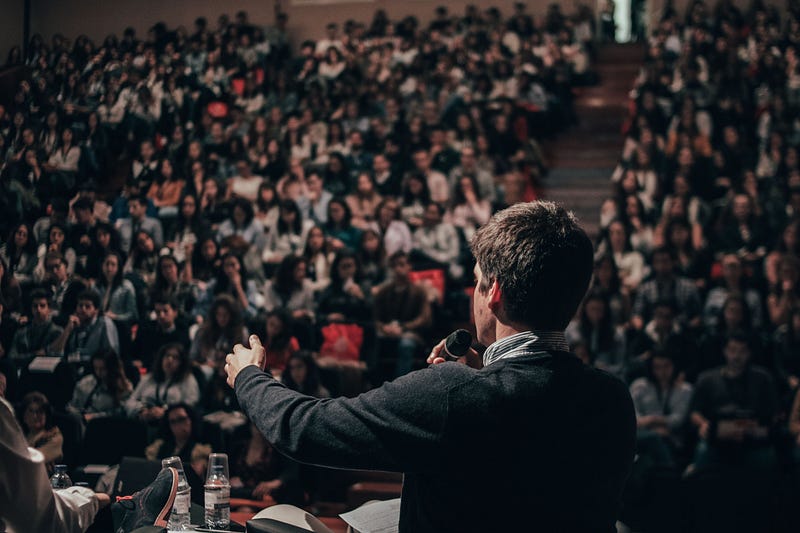
The medium determines the message, and the ephemeral quality of spoken word comes with very different requirements and challenges than the fixity of text.
If you try to create memorable poems, you are encouraged to use intentionally quirky-sounding, visually stimulating expressions, as Joshua Foer describes in his book on memory Moonwalking with Einstein. They seep into your memory without you being able to help it. And they allow listeners to follow the thread of the text more easily, especially when they don’t have it written in front of you. Clichés and over-used alliterations are bad for writers, but great for oral bards because they aid with memory, and memory is everything in an oral tradition.
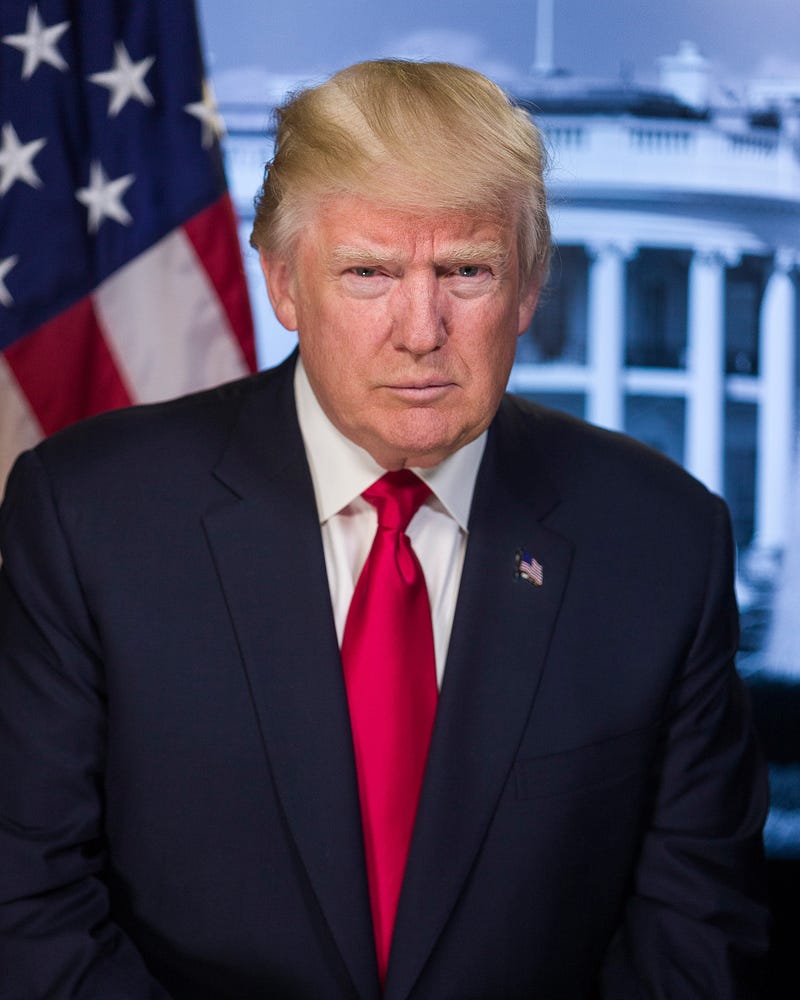
So when Donald Trump uses catchy nicknames repeatedly (there is a whole Wikipedia page dedicated to them) when talking about “Crazy Bernie”, “Crooked Hillary”, “Little Michael Bloomberg” or “Nervous Nancy”, he is, perhaps surprisingly, following in the tradition of oral orators going all the way back to the days of Homer.
The proficiency with which Trump communicates is surely one of the reasons for his success (see here for a more detailed analysis). It is important to keep in mind that his speeches are not there to be read and studied. They are famously incoherent when written down and read, as John Oliver makes fun of here. But that is not their point. They are there to be heard. His word choices are used to inspire an emotional response, to make expressions stick in your mind, to force associations into your minds that you can’t easily get rid of anymore.
So what might sound stupid and clichéed has a method. And as with many other things, whether Trump is doing it consciously or not, it works, and it works for a reason, and should therefore not be underestimated.