
What to Read in Quarantine
Get the audio file of The Water Dancer
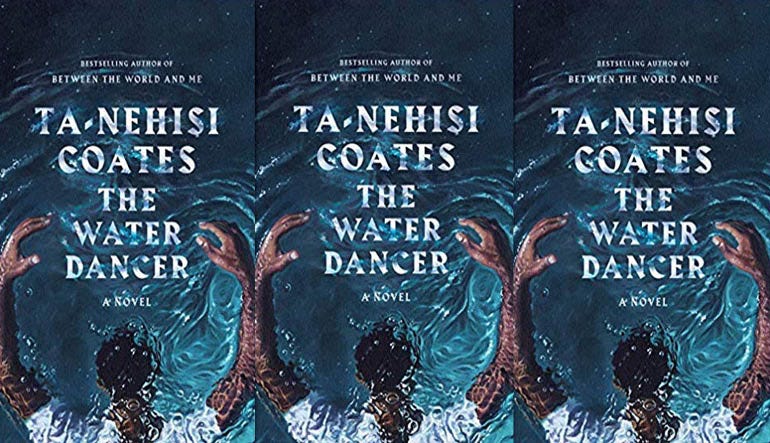
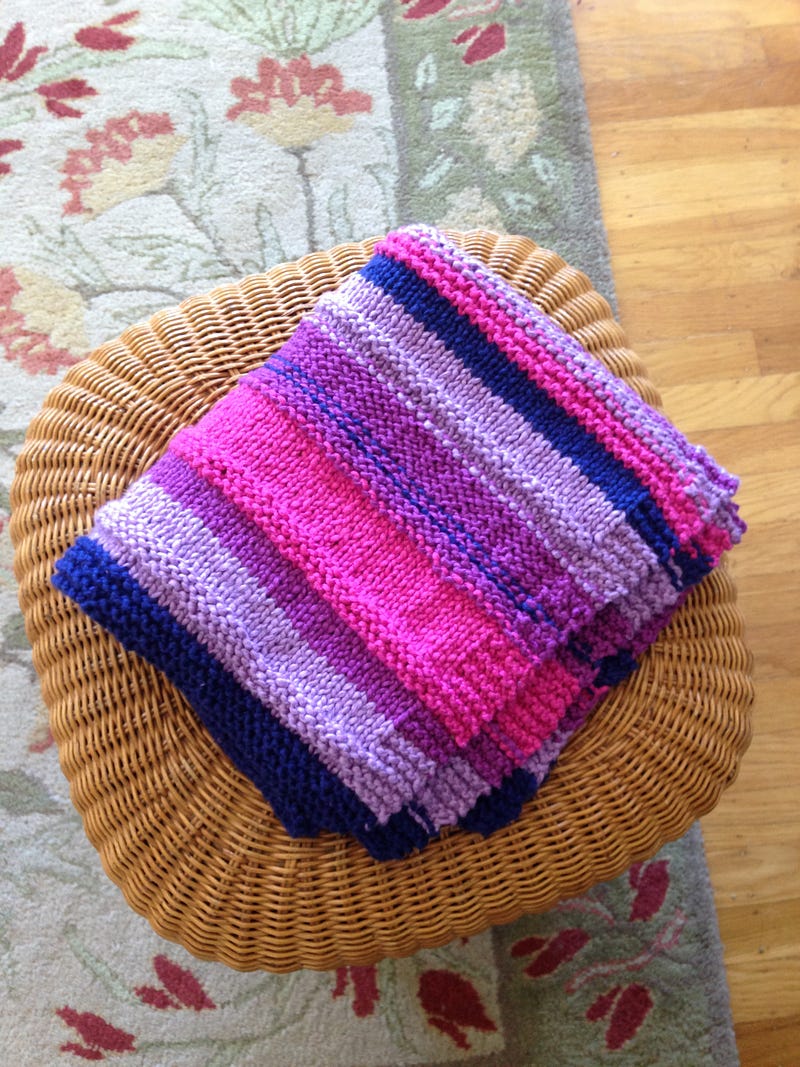
Like many people who are sheltering in place, I’m on the hunt for good books. But because I’m also easily distracted, and anxious, and restless, and particular, what I wanted most was a good audio book I could listen to while obsessively knitting baby blankets.
I found it in The Water Dancer by Ta-Nehisi Coates, narrated by Joe Morton. You do not need an Audible account to hear this book. In fact, I advise against signing up for one, since Amazon owns Audible and is bent on world domination, and since it costs $15 a month for one lousy book a month, which is a spectacular ripoff. All I needed to do was order an audio version from my public library for free — the version with the little icon of headphones. Then I had to download some software (Adobe Digital Editions, in my case, which morphed into Axis 360) in order to listen to it. It took five minutes.
I knew listening would leave my hands and eyes free for knitting, but what I didn’t know was that listening would add so much to the book. The narrator has a wonderful baritone voice, which is a comfort to hear. He also knows how to voice southern accents, and black accents, and even the songs of Virginia slaves in a tobacco field, in a way this California gal would never be able to accurately imagine from reading the words on the page.
The person who recommended the book to me said it was about Harriet Tubman and the underground railroad, so I was expecting a female protagonist and a historical account. But this was not that. Tubman, in fact, plays a minor role in the tale, which is fictional.
“The narrator has a wonderful baritone voice, which is a comfort to hear. He also knows how to voice southern accents, and black accents, and even the songs of Virginia slaves in a tobacco field”
The Water Dancer tells the story of a slave boy growing into a man on a Virginia plantation before the Civil War. It has a magical element, but that’s not the main focus. What I liked was how deftly it placed me in that setting — all the details that Coates has researched and included that help me feel what it would be like to live in that place and time.
Take the caste system. The plantation owners are called “the quality,” their slaves are “the tasked,” and the “low whites” are those without property or entree to society. The South where slave ownership is legal is called “the coffin” by free blacks working in Philadelphia on the underground railroad. And Tubman is known far and wide by many laudatory names, including Moses, for her supposedly supernatural ability to bring people out of the coffin.
Hearing the book was an education in a period of American history which I know little about. For me, though, the greatest pleasure was in watching the evolution of the protagonist. Among the epiphanies Hiram experienced was one in which he considered that it was better to be black than white, because you don’t have to live a lie — to prop up the falsehood of your superiority with self deception.
I’ve sometimes thought something similar when considering the position of women relative to men in American society. It seems I can see things more clearly from my reduced position. I’m not artificially bloated, or forced to act like a thug in order to defend rights and privileges that aren’t rightfully or morally mine. I can move through the world with integrity.
I loved, too, watching Hiram’s relationship with his love interest Sophia develop. Among other things, the author is described as a feminist on Wikipedia, and that shows here as Hiram comes to realize his idea of Sophia has little to do with Sophia herself — that he’d been seeing her as an emblem or a desired element of his story, but not as the protagonist of her own.
“Among other things, the author is described as a feminist on Wikipedia, and that shows here as Hiram comes to realize his idea of Sophia has little to do with Sophia herself”
I already trusted Coates before coming to this book, mostly because of the depth of his scholarship in his profound and astonishing essay “The Case for Reparations” in The Atlantic. That piece was so stuffed with supporting evidence and so overwhelmingly persuasive that I wondered how long it had taken to write it (two years?) and how The Atlantic could possibly pay him enough for one story to do all the research entailed.
My trust was enhanced when I heard Coates’ affable voice on a radio interview explaining why he named his son after after Samori Ture, a Mandé chief who fought French colonialism. Although Ture lost that fight, Coates wanted to affirm that it’s important to stand up against injustice, whether you win or no.
Now that I’m a Ta-Nehisi Coates convert, next up on my reading list will be Between the World and Me which won the 2015 National Book Award for Nonfiction. (He also won a MacArthur Genius Grant that year.)
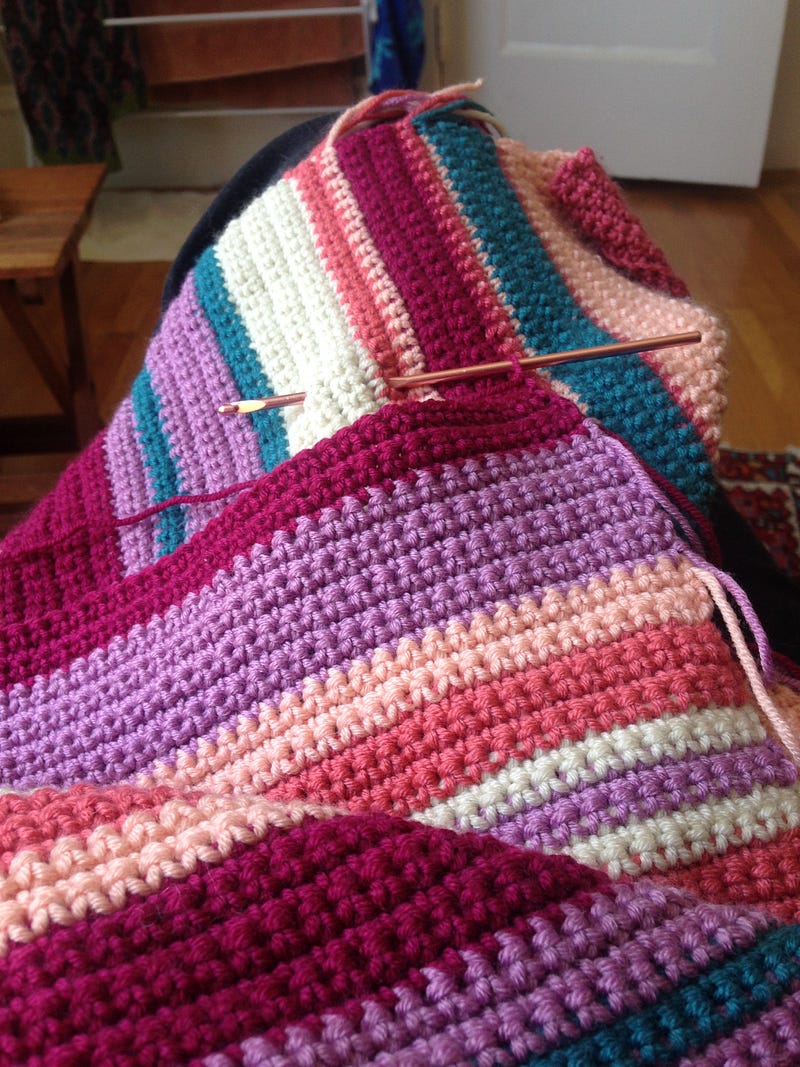
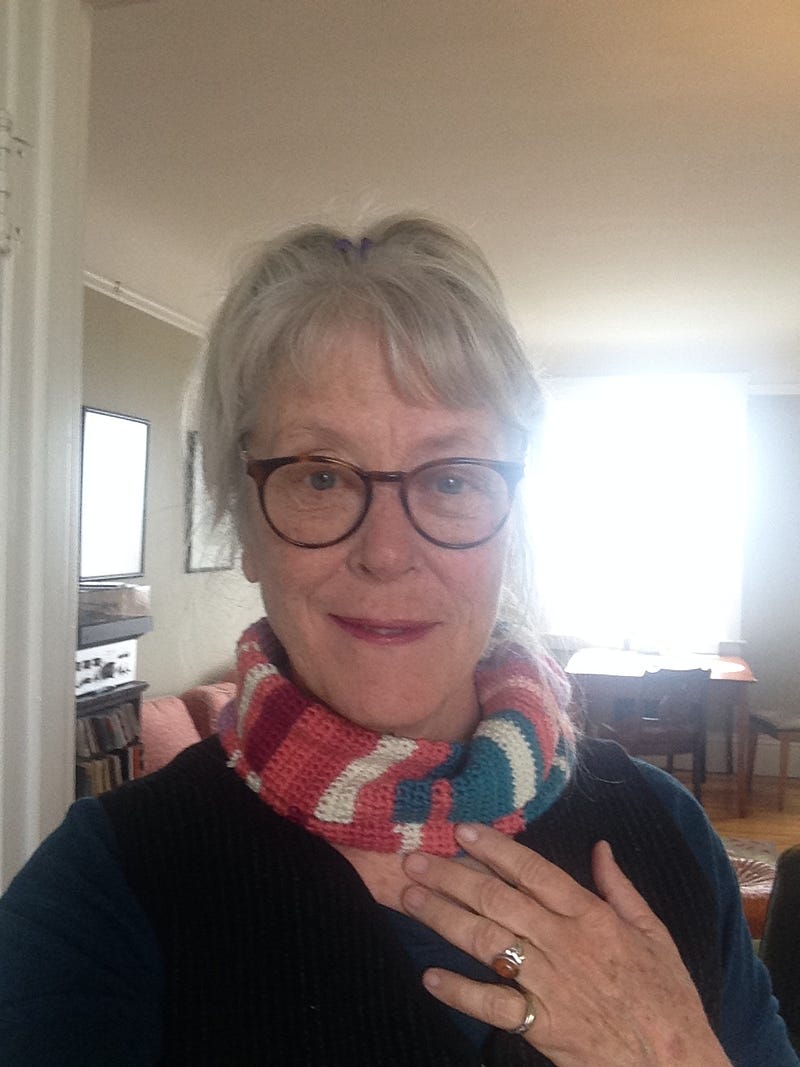
As long as I’m in quarantine, I’ll look for an audio version because you never know when you’ll need another knitted baby blanket or crocheted accessory.
For more book reviews, try:
For more by writers hoping for a better world, follow Fourth Wave.