
What To Get From Morocco: The Ultimate Guide For First Time Travelers
3 Amazing Gift Ddeas To Get From Morocco & The Costs Involved
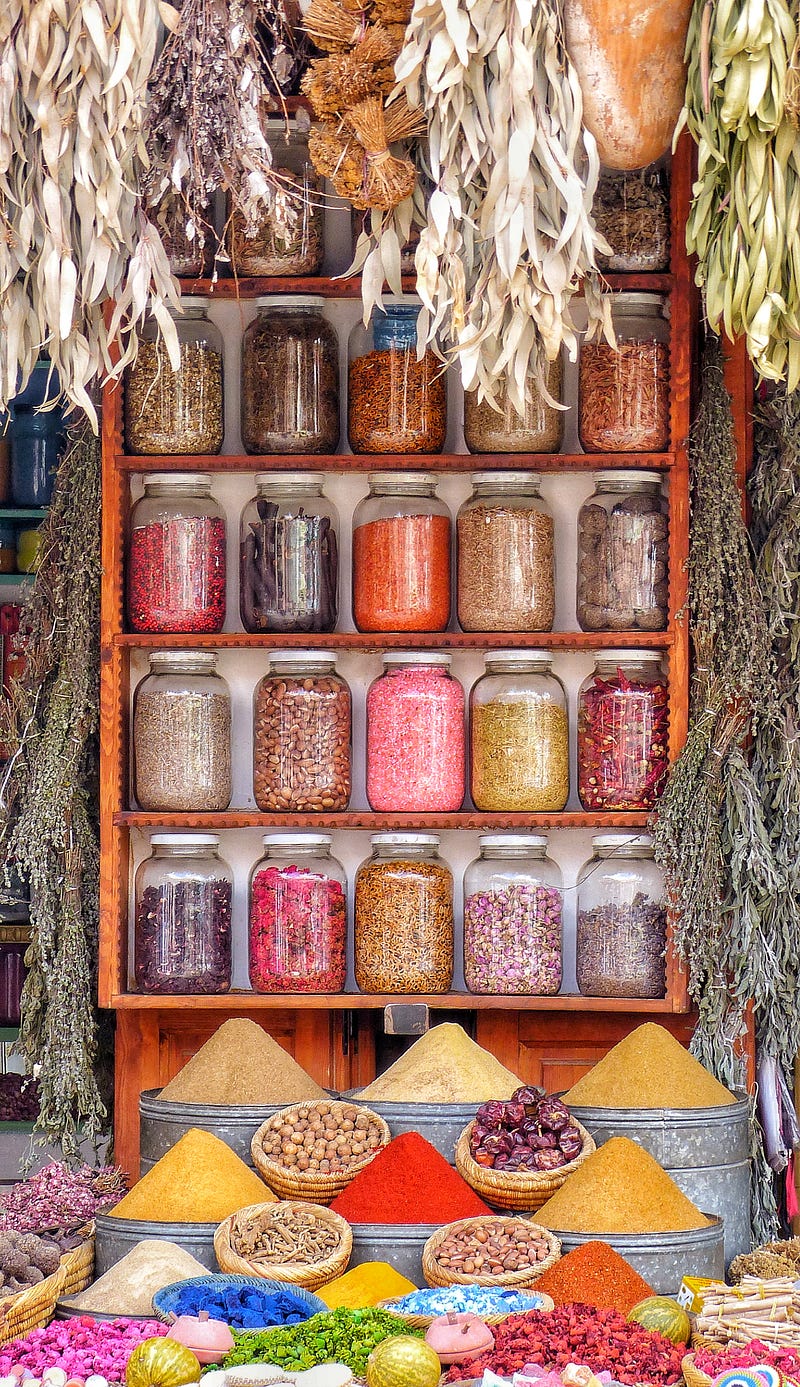
Morocco is a beautiful country that radiates loving, healing, and long-term well-being.
In just two weeks, I fell in love with Moroccan culture and became intrigued by the ancient healing traditions that had been passed down through generations.
During my trip to Agadir, I shared my thoughts and feelings about the city, as well as what I brought back with me to help me continue to experience the culture after I returned home. You can read the story by clicking on the link provided below:
In the last two years, I’ve had a small group of friends who have traveled to Morocco.
In this post, I’m going to go over some of the goods they brought with them and explain why, how, and how much each item costs.
Handmade Pottery Jug
What Exactly Is It? A close friend of mine was interested in holistic health and brought a handmade jug. There is a long-standing tradition behind the use of clay jugs, which claim to naturally filter, remineralize, and replenish municipal tap water.
Clay jugs are commonly used in Morocco, as well as throughout Africa and the Middle East, to hold water for drinking and cooking purposes.
As previously stated by Ellementry,
Since clay is an alkaline substance, it has been shown to provide health benefits. It interacts with the acidity of water and contributes to the maintenance of the required PH balance in the water.” — — a snippet from Ellementry website.
Keep in mind that this is not a scientifically proved notion, but rather a traditional folklore therapy that has been practiced for hundreds of years.
A medium-sized (about 20cm) handmade clay jug costs between 5 and 8 euros. Please keep in mind that it will require a significant amount of weight when compared to other lighter things, so be prepared for that.
First Cold-pressed Fresh Olive Oil
What Exactly Is It? First Any recipe can benefit from the addition of organic cold-pressed olive oil. Olive oil is used in large quantities in the preparation of Moroccan sweet and savory foods.
Oil from olives is prized for its antibacterial and anti-inflammatory effects, not to mention the pungent spicy aroma it emits.
Imagine seeing olive oil freshly juiced in-store only minutes before you purchase it. It’s a mind-blowing experience. Believe me when I say that you will never look at normal olive oil the same way again.
A friend of mine brought 4 liters of freshly squeezed olive oil from Morrocco to consume throughout the year, and she has absolutely no regrets.
As reported by OliveOilDivine.com, olive oil is considered to be a divine oil.
(When extracting ‘first’ cold pressed olive oil, no heat is required; in fact, cold water is introduced to keep the temperature constant throughout the process.) Keeping the most vital nutrients and helpful qualities intact during the cooking process ensures the best possible depth of flavor while also preserving the most critical nutrients and useful properties. — A snippet from Oliveoildivine.com
1 litre of freshly squeezed olive oil costs between 6 and 8 euros, but I can guarantee you that it is well worth the money!
Cooking with this sort of olive oil is not recommended because you want to maintain high-quality nutrition without the use of heat.
Suitable for pouring over a salad or incorporating into a yogurt-based mint dip.
Handcrafted Tagine Pot
There is something incredibly wonderful about handcrafted clay-based tagine pots.
In addition to their unique aesthetic style, these small beauties are better at preserving flavor and aroma than standard pots and pans. It is believed that the circulation of steam during the cooking process contributes to the development of mature flavor.
They are heat-resistant and robust, but they add a significant amount of weight to the backpack and must be carefully packed to ensure that they survive the long journey.
I received a little tagine pot as a gift, which I use to treat myself to a comfortable egg, tomato, and sausage full dish from time to time. I wouldn’t be without it.
For example, a conventional tagine pot costs approximately 4e, but a handcrafted tagine pot costs more.


