
What to Expect When You Meet a Mortician Professionally
A poem and reflection on my first meeting with a mortician in a mortuary
The Mortician
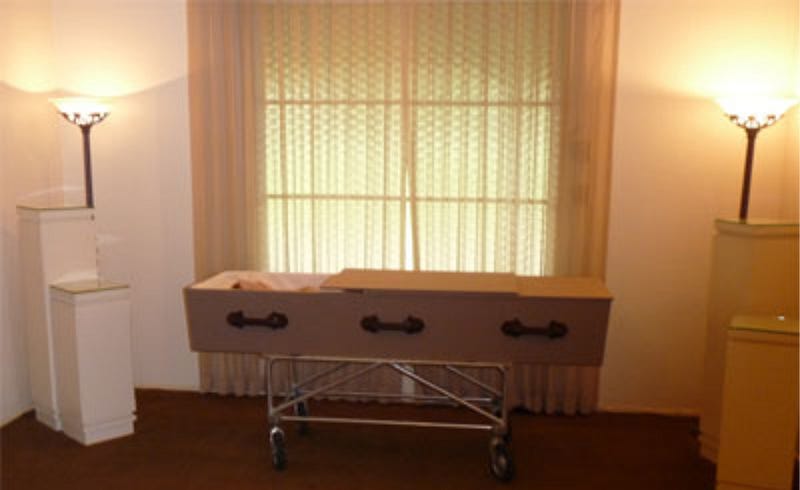
When Dad died, I met my first mortician professionally. He gathered all the vital facts for the death certificate and obituary. He competently helped with necessary details. Then he ushered us into a room where his wares were on display.
His wares were coffins — caskets of many materials and styles. In his hand he held Dad’s suit, holding it above each coffin So we could see which one matched best. None did. Dad belonged in none of them.
The mortician handles all details involving the remains Of the one you love. He schedules services and figures fees. He keeps a box of tissues on his desk since people always cry. It’s part of his business. He sees tears every day.
He arranges viewings that his skills may be seen. He makes the dead appear to be just sleeping. When you know they are not. It is his job to preside over The final separation of the living from the dead.
The time to pay respects ends. The casket must be shut and moved. The unavoidable last departure is imminent. This is the end of life as the bereaved have known it. The mortician’s “You must go now” is a wrenching final blow.
The mortician is a professional. Every day he gently pulls people From the remains of their loved ones after the last goodbye. I can’t help but wonder what happens to his professional veneer When his colleagues pull him away from the casket containing his wife or child.
A Reflection on Morticians
Death is Rarely Welcomed
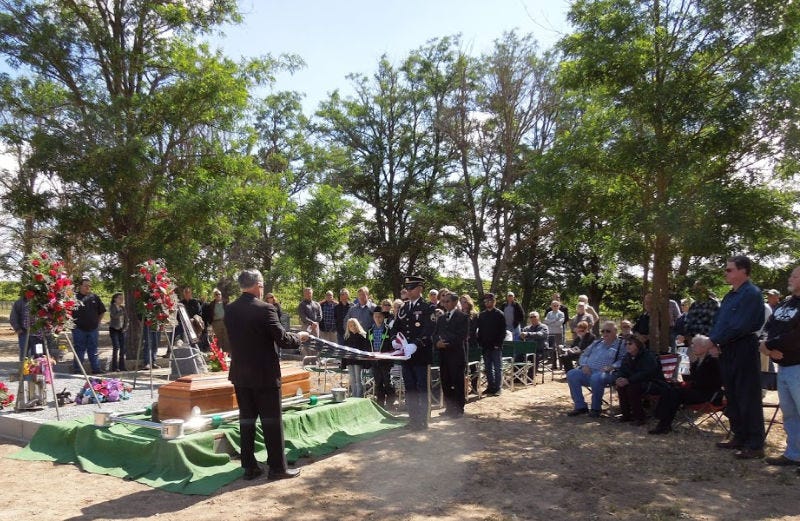
Death is harder on the family members left behind than the ones who have gone to their final reward. It’s those left behind who make the “arrangements.” It is they who are forced to deal with the morticians. It’s not that morticians are a bad sort. Most people would not want their job, but, as they say, someone has to do it. Morticians are trained to comply with our society’s laws on dealing with the mortal remains of the departed. Some people are doctors and nurses who heal, and some people have to deal with their failures. That’s what morticians do.
Someday you will probably have your own encounter with a mortician. When that day comes, you will understand why I wrote this poem. I don’t remember when I wrote it since I’ve met morticians so many times. Since I used the example of my dad, it could have been right after he died, but I rather think I wrote it after my son Jason died. That’s when they had to force me to leave the viewing room. There is something so final about knowing you will never have another chance to see that loved face.
What struck me so hard was seeing how casually the morticians I met dealt with death. They were kind, but they were basically salespeople with a ready-made market for their services. It’s easy for them to take advantage of the raw emotions of people who love, and people who want their friends and neighbors to think they want the very best for the deceased.
If you Need to use the Services of a Mortician
Upselling is part of the job.
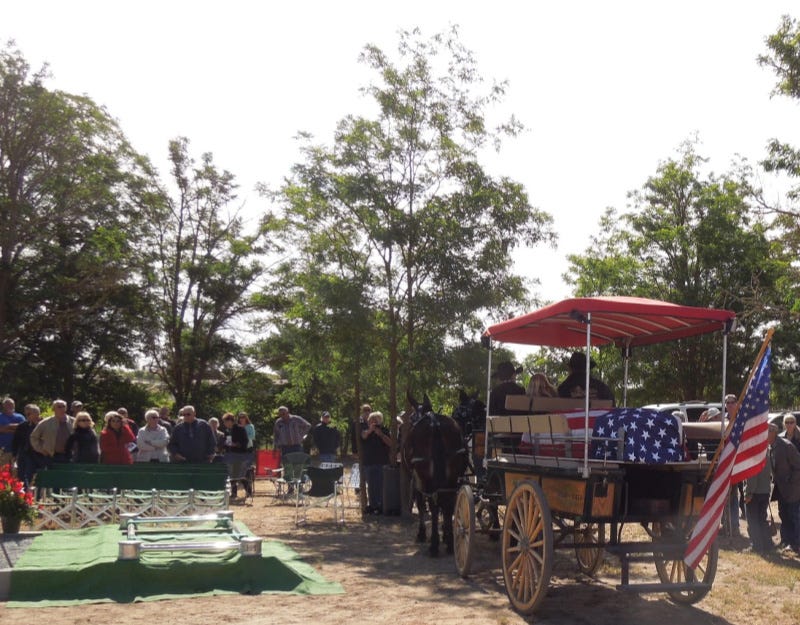
I will say the morticians I’ve met have never been high pressure in their selling, but they do make subtle suggestions. And in their role as guides to what has to be done legally, they often suggest unnecessary accessories one doesn’t need, such as expensive guest books that could be bought cheaper almost anywhere, thank you cards you may never use, printing of programs for the service your church might do for nothing, etc. These little extras add up. But people dealing with the mortician for the first time may think that his suggestions are what people are expected to do. The newly bereaved have not normally done their homework because they had no idea of the deadline for this new experience of dealing with death. They just want to make the necessary arrangements, get this painful meeting over with, and be done with it.
For the mortician, your appointment is just part of a day’s work. For you, it may be one of the most traumatic encounters of your life. I supposed that’s what lead me to wonder how the mortician, so experienced in the details of death, would react to such grief when it was his own.
If you ever have to deal with a mortician, you may want to read When There’s a Death You need a Mortuary for some valuable tips. It’s best to read it ahead of time or even when it becomes apparent someone in your family is in his or her last weeks of life. Forewarned is forearmed.
Originally published at http://barbs-writing-life.info.

This story is published in “Thirty above Fifty”, a publication which accepts stories written by writers aged fifty and over. Please FOLLOW Thirty above Fifty for a news-feed of new Stories.
If you would like to be a writer in our publication, please read our Submission Guidelines.