
What to eat to live as long as possible? Scientists present a new recipe for a longevity diet
What we put on our plate affects the quality and length of our lives. How big is this influence? Scientists believe that by controlling our diet, we can significantly extend our lives. New research presents a search for a universal formula to ensure our longevity.
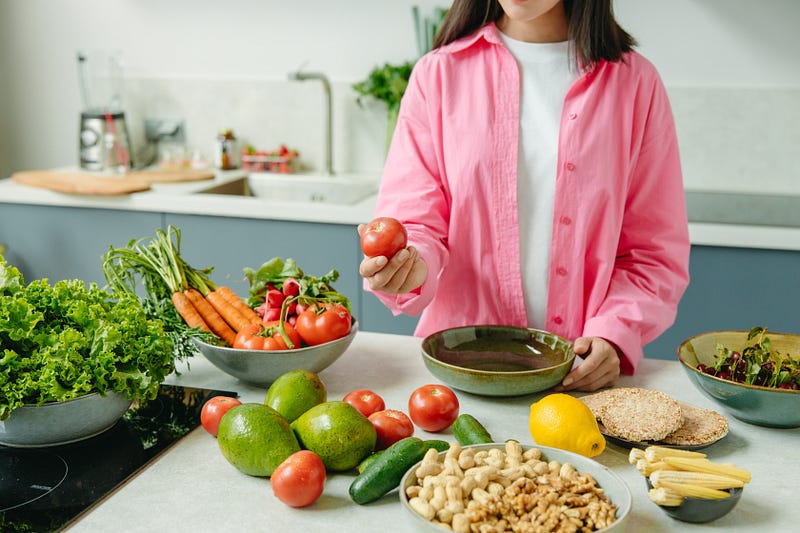
“Let food be medicine and medicine be food,” Hippocrates is supposed to have said in 440 BC. This old statement, tested by modern science, is now a well-documented truth. What we eat, when we eat and how much we eat translates into our health and weight. And also on how long we will live.
In a study on the subject, published in the scientific journal PLOS One, a group of Norwegian scientists calculated in detail how much longer we can live by changing our diet. They gathered data obtained from many previous studies. On this basis, they determined that by giving up certain products, we can gain up to several additional years of life.
Their calculations yielded the following results. If you change your diet to a healthy one in middle age, you can live up to six-seven years longer. And if you decide to eat healthy as early as your twenties, you can enjoy a life that is up to 13 years longer.
How to eat healthy?
The authors of that study described a typical Western diet. It contains a lot of fatty dairy products, a lot of red meat, highly processed foods, snacks, sugar-rich products. On the other hand, it is low in fresh vegetables and fruits.
A life-extending diet is its opposite. To be optimal, it should contain a lot of legumes (beans, peas, lentils), whole grains and nuts, while less processed red meat.
This last postulate is particularly important. Researchers from the University of Bonn warned that Europeans should reduce their consumption of red meat by 75 percent. On average, a European eats 80 kg of red meat a year.
“If everyone in the world wanted to eat this way, ecosystems would collapse”, the researchers warned. And they pointed out that — “in order to reduce climate catastrophe — we should eat no more than 20 kg of pork and beef per year”.
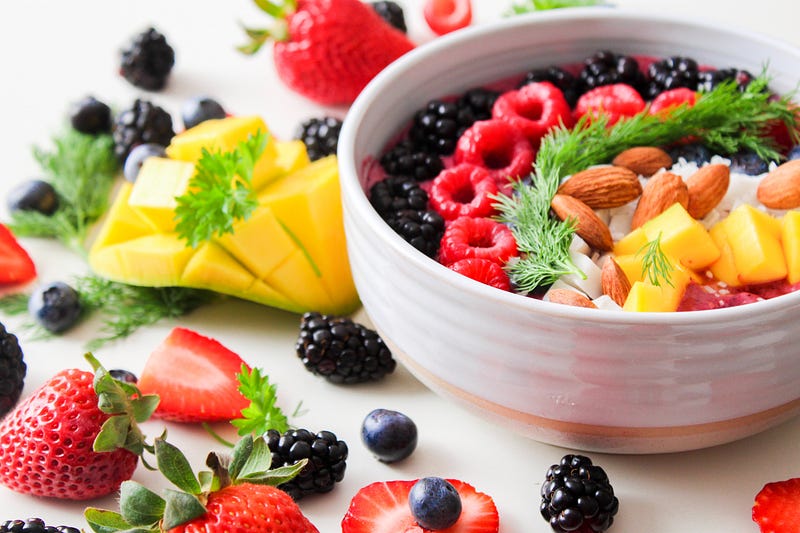
What makes up a healthy diet?
These conclusions would have pleased gerontologist Valter Longo of the University of Southern California. He published an article in the journal Cell, in which he presented his own conclusions about the relationship between diet and life expectancy.
In his opinion, it is possible to find a universal formula that will tell us what to eat, how much and when to extend our lives. In searching for it, Longo took an unusual approach. He reviewed studies about the effect of diet on longevity not only in humans or mammals, but also microbes and small bugs.
Their analysis indicates that such a formula will have to take into account many different factors. From genetic, to health, to age and lifestyle. In other words, it will be a tailor-made recipe for longevity. However, some of its ingredients will prove to be common to all.
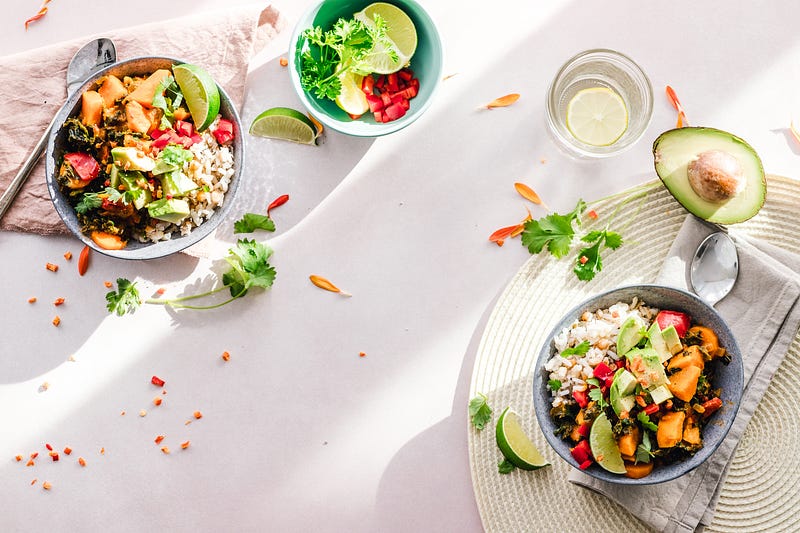
What to eat to live to a hundred?
In the list of health-promoting foods listed by the scientist, there are no big surprises.
“Lots of legumes, whole grains and vegetables, some fish. No red meat and very little white meat, little sugar, some nuts and oil, and the occasional dark chocolate,” describes Longo’s ideal diet.
What we eat, however, is not everything. If we want to live longer, when we eat is also important. We should eat in a maximum twelve-hour window per day. That is, someone who sits down to breakfast at eight o’clock should eat his last meal at twenty at the latest.
Longo also recommends doing a few days of fasting (not a total fast, as this one should last no more than a day) once every three to four months. Taken together, all these recommendations will not only increase our chances of living a long life, but also of living a healthier one.
“Using an approach based on cross-sectional findings from more than a century of research, we can begin to define a longevity diet. And formulate the first universal recommendations and plan for further research,” the scientist concludes.
At the end of his article in Cell, it is stated that Longo owns shares in a company that produces foods for use during fasting, and sits on its board of directors.
Cool that you made it to the end of this article. I will be very pleased if you appreciate the effort of creating it and leave some claps here, or maybe even start following me. It would be nice if you also left a tip! Thank you!