
What to Do and What NOT To Do When A Loved One Is Hospitalized for Covid
First, do no harm has been around this long for a reason
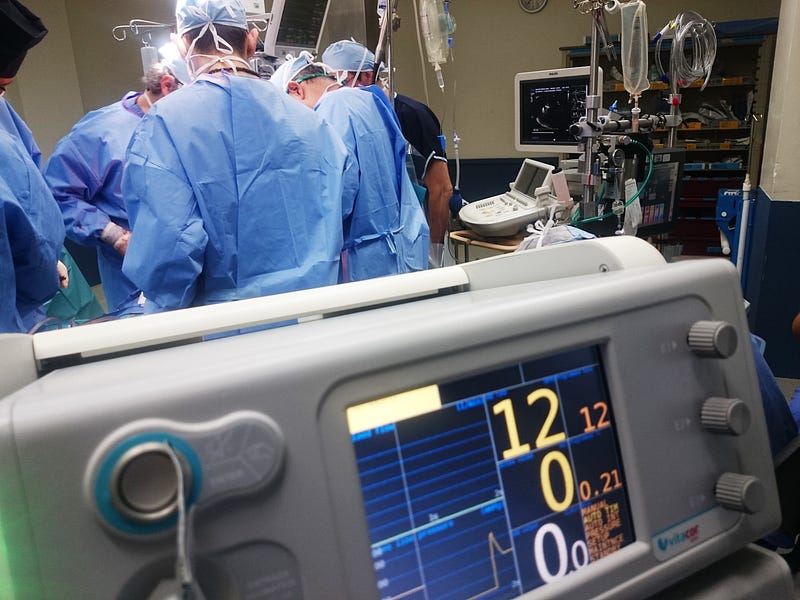
You hear your friend is in the hospital with a nasty case of Covid. Pneumonia is possible. Our gut reaction is to ask, What can we do, and how can we help?We have history with hospital visits: births, kidney stones, run-of-the-mill procedures that cause us to stop by the hospital with little gifts and a witty conversation that leaves our loved one feeling a little better. We’ve got this.
Except we don’t. The age of Covid is altering our social habits, and hospital etiquette is no exception. Since no one is permitted visitation with Covid patients, we can only send well wishes and receive updates via our phones.
I am writing this on my second day home from a seven day hospital stay with bilateral Covid pneumonia. I can tell you what was appreciated, and what damaged.
The Noxious Phone
I could only pick up my phone when there wasn’t a doctor or a tech in the room. I was also exhausted, and social interaction was only more exhausting. I thought it strange that people called, knowing I had pneumonia: Covid affects the respiratory system. I was being given constant oxygen and I could not speak well or for very long. Every movement, every word, depletes your oxygen.
But without an answer from the phone, people began texting. Initially, the phone was somewhere by my side. I could feel vibrations as they drew blood, talked to me or performed other necessary procedures. You feel fully out of control in a hospital; you have the sense you are being processed through some kind of matrix you don’t understand. Calls you can’t answer only add to that feeling of powerlessness.
When I did pick up my phone, I saw the repeated calls and texts with the mantra, “I’m so worried” or “Seriously, no visitation?” over and over.
We’re worried, too. While the doctors are speaking in low tones about mortality rates with my diagnosis, and explaining how they wanted to start me on Tocilizumab with its risk of fungal infections, rest assured, I am plenty worried.
What to do instead: Let Covid patients rest. You can send a text wishing them well, let them know you are thinking of them and then — let them be. If she doesn’t answer, she’s busy healing or involved with a procedure; if anything happens, you will find out.
The Dreaded Questions You Need to Stop Asking

“Where did you get Covid?” was asked to me more times than I could count. I wanted to say, “On 34th and Lexington at that little coffee shop.” I could not believe the frequency of that question or the level of numbness it takes to ask it.
Maybe it’s because I work from home that made friends and family wonder. But I’m not cloistered; I still grocery shop, take walks, and do things with family and friends. I was asked if I went to large gatherings, if I had gotten the booster, if I wore a mask in public. As I watched these questions coalesce on my phone, I realized there was a subtle bit of scolding, a quest for blame, even though the senders had no idea what I had or had not done.
Here’s the truth: these are mostly breakthrough infections. My hospital roommate had both vaccines, the booster, had gotten effusions and antibody treatments. She had been isolating since the beginning of the pandemic. As I was being discharged, they were talking about intubating her. This is a nasty virus and even when we do all we can, we can get very sick and die from it.
But the worst question of all, the one that made me cry inside my Venti mask? It’s a question most of ask reflexively to an ailing loved one: You’re better, right? There’s been improvement?
Well, no. I’m not actually, despite the treatments. I got worse twice before I got better, and the doctors told me to remain stable with Covid pneumonia and not worsen was reason enough to celebrate. Some mornings they conference with you about clotting factors increasing and Covid markers going up. They increase your medication. They try different ones. They explain about ground glass lungs and how that’s what they call lungs like mine. At first, I thought this was a description, but it’s actually a medical term.
We need to be sensitive to this as a disease that is very much a wild ride. As we heal — or not — we will let you know. Asking us if we’re better with Covid only adds to our sense of powerlessness and defeat.
What to do instead: ask if there’s anything you can send to the hospital to make your loved one more comfortable. That’s it. We’ll get back to you on that.
For example, I wanted more than anything a small spray sanitizer to disinfect my tray table. I wanted a notebook and a pen. Then I could at least journal a bit on a clean tray table, a little job I could do for myself. It would make me me feel like I had a tiny level of agency. Big, warm fuzzy socks were welcome. I dearly hoped for noise cancelling headphones.
There are always easy items you can drop off to a hospitalized friend — asking what they are and bringing them to the hospital would be welcome. (Note: most hospitals will only bring small items to the Covid floor from visitors who can show vaccination cards)
Check Your Toxic Positivity

One morning, after the worst night medically, I sat up and looked at my phone. Pictures of Jesus and sunrises with praying hands floated up my text feed. I thought something worse had happened than what I already knew and my family had been notified. Had things changed in my two hours of sleep?
Remember, you don’t sleep well with Covid pneumonia, you can’t breathe, you are on new medications, and you are trying very hard not to die. The images momentarily confused and frightened me.
Turns out, I had been placed on a prayer chain and my phone number had been released so a Christian prayer group so they could send healing thoughts. While I know my friend meant well, we need to remember the issue of consent. If you want to pray for your loved one, do so, by all means. Sit down in silence and pray or send Reiki, but don’t publish the facts of their illness or summon strangers to send Scripture to her phone.
Then there are those mantras of toxic positivity: No, I don’t believe this happened for a reason. I believe this happened because of biology, or even weaponized biology. I don’t know. But telling me to look on the bright side when my temperature is spiking and can’t be controlled and I am still attached to 6 liters of oxygen, is about as vacant a sentiment as it gets. I want to heal; I have a long road ahead of me. My life has been bifurcated by this illness: it now has a very clear before and after.
The other problem with positive vibe messaging is how grating it becomes while your illness is getting worse. It feels dismissive: of course you are getting better — I’m sending you daily flower and prayer hands emojis. How could that not help? And don’t forget those memes about how into every life a little rain must fall…Simplifying a complex situation such as getting a life-changing illness, with universal declarations feels like imposed avoidance of more difficult and painful difficult feelings. For sure, it will stop any conversation regarding authentic emotion.
When you are lying in that bed, and breath is not coming, emotions become sharp and multi-layered. Not only are you faced with your mortality, you know if you are discharged, your life is forever changed. I went from a person who had never had a health problem, not even the flu, to a woman who will remain on full time supplemental oxygen for the next six weeks. My heart rate used to be around 60 bpm. Last night it began spiking to 125 and 130. I get fevers that Tylenol doesn’t touch. And my brain is different: I have to use post it notes to remember my medication, when my home nurse is coming, and tasks I need to do like call the pharmacy or cancel an upcoming dental appointment.
I used to work out at least five times a week. Today I tried to walk around my 900 square foot apartment, and I had to keep resting. The visiting nurse takes my vitals. My normally low/average blood pressure was in the hypertensive level. All of this is Covid.
Our point of reference is more for the flu. These illnesses are passing and predictable; Covid is neither. We need to respond to our loved ones who are suffering from it in new ways, in ways where improvement is not linear.
What to do instead: Tell your friend or family member that you are there to listen. We have a lot of fear and uncertainty. Be present if and when they want to talk. Knowing friends will be there to talk when we are discharged helps. It’s familiar and it’s something to look forward to as a comfort. That’s all.
And before you send that text, ask yourself about your motivation. Is it actually going to help the patient? Or does it make you feel virtuous, a person willing to take the time to send a text during your busy day? After all, this shows you are thinking of your sick friend.
We know you are thinking of us. But we are actually busy with hospital procedures and healing. Or we are sleeping. Even if you say, you don’t need to reply, it has the opposite effect of making us feel like we should at least acknowledge your message.
It’s difficult not to be able to see people in the hospital, especially since we live in an age accustomed to constant connection.I turned my phone off by the third day in the hospital. Between my roommate’s constant blare of her tv (she was partially deaf) and the beeps of machinery, the phone became another visceral source of stress.
I don’t believe that any of my people did any of this with the slightest ounce of bad intent. What I do believe is Covid, with its unpredictable trajectory and its isolation factors, is new to us and we don’t quite have our etiquette down for the folks surrounding the patient.
The best text? Let me know if you need anything and then sign off. As we doze in and out between procedures, it’s nice to know you are there.
Once.


