
Quantity with Quality
What Tit-Warblers Can Teach Us About Isolating from the Flock
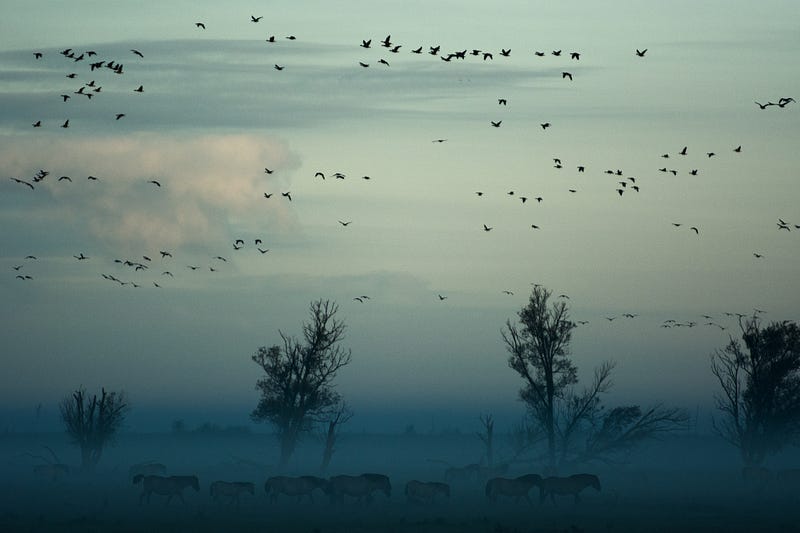
Social distancing isn’t new to nature
This is my next story in a series of articles responding to Dr Mehmet Yildiz’s challenge to produce a short quality article with three take home points each day for thirty days.
I have chosen to use Wikipedia’s main page as inspiration, choosing one topic from the “Did You Know” section as topical encouragement.
Native to central Asia with a preference for mountainous shrub land and boreal forests (pine, spruce and larch trees) the White-browed tit-warbler is species of small bird in the bushtit family.
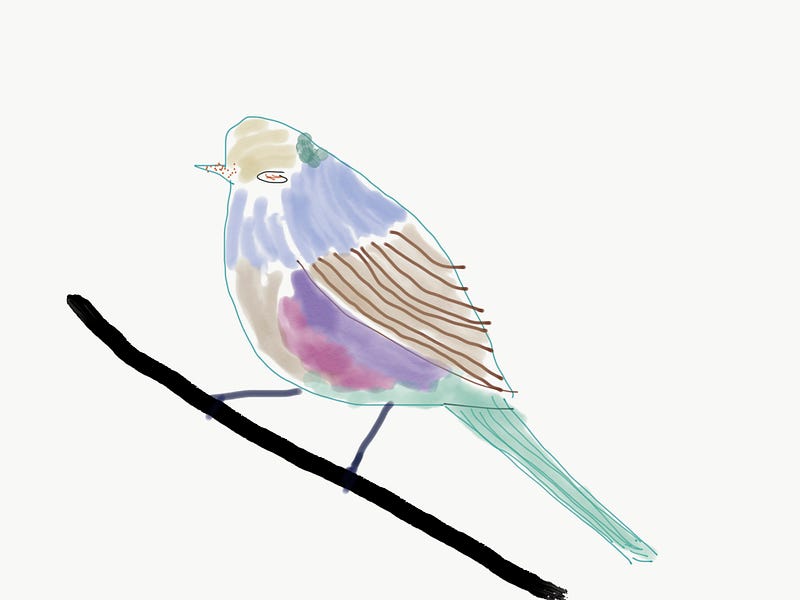
Notable about the tit-warbler is their predilection for isolating in pairs during mating season, then returning to flocks of 25 or more at the end of the season. While that is seemingly common in birds, what is uncommon is that the tit-warbler has been observed to practice cooperative breeding, where other adult birds will periodically help with nesting duties.
What We Can Learn from the White-Browed Tit-Warbler
What is interesting about nature and animals is how frequently patterns emerge. Similarities can be found, even among the most diverse of species.
This particular Wikipedia “Did You Know” highlight jumped out at me because we are currently (hopefully only briefly, and just this once) experiencing a progression of human living that resembles the tit-warbler’s breeding cycle.
We are in the isolate-in-pairs (or family clusters) phase of the cycle, and at some point, we will all get to rejoin our flocks-at-large.
Also, similar is the fact that we have kids in our communities that are now whirling around in a different orbit than is normal for them.
This concept was thrust in my face in the last few days as a group (small, and within social distancing parameters) of youngsters have discovered that our carport and sidewalk curbing in the alley adjacent our home makes for a nifty ad hoc skate park.
As the first few “ka-thunks” (that’s a word) of scooter wheels striking the sidewalk echoed through our house, I have to admit my first impulse was to run them off and re-establish the blissfully-child-noise-free sanctuary of my home.
Fortunately, I have learned to not act on my first impulses immediately.
There is a lot going on in the world right now, and we can take a bit of a lesson from the White-browed tit-warbler. Instead I waved through the window at them and went back to what I was doing.
If/when any major orthopedic injuries occur, I will go out and assist as appropriate. Otherwise, I am content to keep a watchful ear and occasional eye on the goings-on and consider it a form of cooperative breeding as I passively guard their best interests on behalf of their parents down the street.
Take home points:
- Nature works in patterns. Our current pattern of social isolation is new to us but isn’t foreign to nature and animals. Sometimes we need to sequester, sometimes we get to be social.
- It takes a village. Oft said, perhaps worn out as an idiom, but nevertheless true. We need to be especially cognizant of watching out for each other. We all have community responsibility to help each other thrive.
- Remember to breathe. Now is an especially good time to take a deep breath before we react to any new goings-on.
How are you exercising your emotional intelligence during this time of isolation and hunkering down? I like to ask myself this question periodically:
Are you practicing patience, gratitude and grace?
Today I can say, “Yes”.
If you liked this article, you may also like:
Timothy Key spent over 26 years in the fire service as a firefighter/paramedic and various fire chief management roles. He firmly believes that bad managers destroy more than companies, and good managers create a passion that is contagious. Compassion, grace and gratitude drive the world; or at least they should. Follow me on Instagram, Facebook, and Twitter, and join the mail list.


