
What Tiger King, RuPaul’s Drag Race, and Big Brother Have in Common
3 tales of how we are drawn to stories that reflect our lives
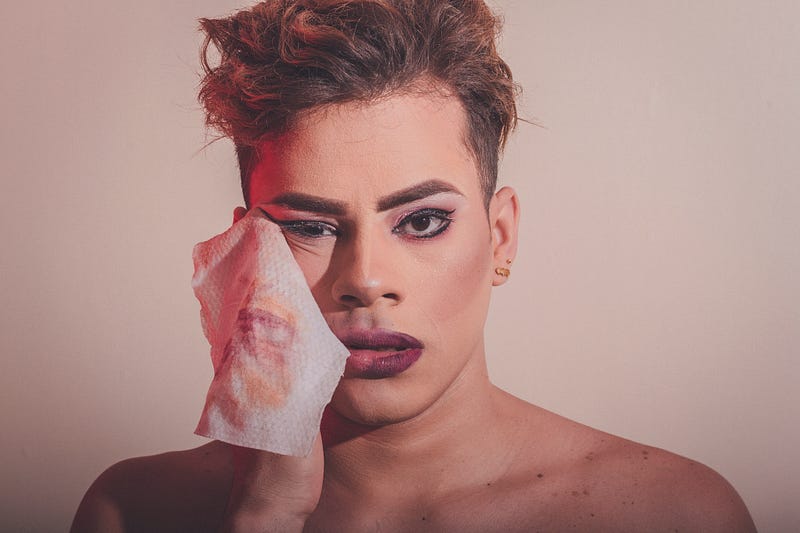
Whether it’s Tiger King, Big Brother, or RuPaul’s Drag Race, their success is built on something far deeper than ordinary humans doing less-than-ordinary things. It’s because on a deeper level it really does reveal something about ourselves.
Reality television succeeds because we know how the story plays out. But when we look into the mirror, it’s hard to see how the mirror is sometimes broken.
What Big Brother and foster care share in common
Several years ago I worked with teens living in out-of-home care. It was a rewarding experience where they were truly my teachers.
We started our program not long into a new season of Big Brother. Until that point, I hadn’t seen the show. Each time we’d meet they would regale the latest events, who they wanted to kick out, and who they wanted to win. They always wanted Trevor to win.
I was never a big television viewer. I wondered, who would want to waste their time on a show like this? As the weeks passed I would ask questions about what they liked about it.
And as I listened to their stories, it occurred to me that the Big Brother experience is not unlike being in foster care:
- They were forced to live in conditions outside of their control.
- They had to keep their bags packed and ready to go as they could be evicted at a moment’s notice.
- People they didn’t know had information about their lives and spun a narrative they had no control over.
Despite the clear parallels, the metaphor was lost on them at the time.
Their love for Trevor was unequalled. Trevor had a rough upbringing yet displayed empathy and care that made you want him in your corner. So, when Trevor won the series, I wrote him a letter via the TV network.
I asked if he’d come to meet the young people I was working with. As soon as he got my letter he called and said he was in.
I managed to hire the Big Brother house off the TV network (nothing comes for free) and Trevor got together a team including the official voice of Big Brother.
We piled our group into a bus and took them to the Big Brother house, not knowing that Trevor was part of the surprise. They entered the house and explored all the famous spots — the bedroom, living room, and infamous diary room.
After an hour or so, the voice of Big Brother announced over the speaker, “Housemates, to the back yard.” They piled out there to await further instructions. And then, through the gate, walks Trevor.
For this group of young people, they had celebrity shock. Some were emotional while others played it cool. Trevor was as charming and real as anyone you could imagine.
After playing some games outside with them, we made it into the living room where Trevor opened up about his story. This vulnerability gave way for the other young people to open up about their own lives.
Trevor was the perfect mirror for that moment — one they could see a brighter reflection of themselves. A reflection where the good guy won.
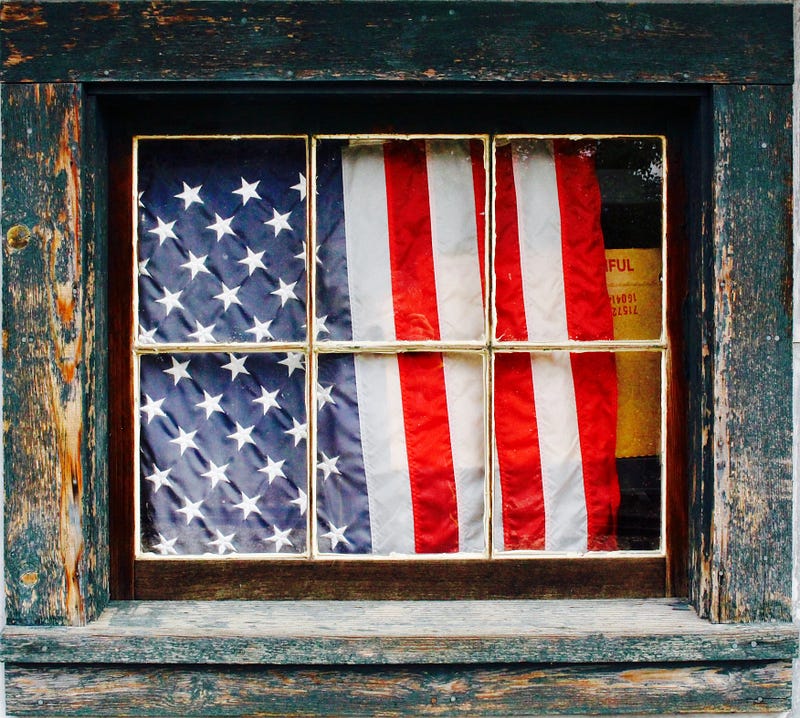
Tiger King is the great American tragedy
I’m sure even Netflix was in shock when Tiger King became a runaway success in March 2020. There wasn’t anywhere you could go for weeks without hearing about Carole Baskin and the crazy antics of the big cat world.
But in many ways, it shouldn’t have shocked anyone. And Season 2 demonstrates so vividly how it seriously mirrored a time in American history where you should never let the truth get in the way of a good story:
- The reality-TV-star US President had spent years waging war on Nancy Pelosi and Hilary Clinton in much the same way Joe Exotic had targeted Carole Baskin.
- A shady group of people would do anything to get on TV or access power and prestige.
- All of it was done by exploiting the vulnerable — in politics by exploiting voters and Tiger King by exploiting big cats.
- Each side sought to strengthen its position by demonizing its opposition.
- And yet, even as an educated person, I couldn’t look away from the train wreck.
Season 2 further highlights the similarities and ridiculousness of it all. The first episode shamelessly had Republican-voting lawyers and campaigners pursue a pardon from the president, making Joe Exotic out to be the great American hero.
The hypocrisy was almost laughable that the often deeply homophobic Republican base was now on the side of a gay man who was somehow married to two men. But then again, even in homophobic America, it’s easy to unite behind a gay man if in the name of misogyny and guns.
In 2012, there is no way America would have made a celebrity out of Joe Exotic. Social expectations around truth and human decency had been eroded to such an extent over the previous four years that Tiger King was launched at just the right time.
Just wait for Tiger King the Musical.
RuPaul’s Drag Race is our chance to finally be seen
I’m a gay man who took a while to get okay with RuPaul’s Drag Race. It was a combination of my own internalized homophobia and rejection of gay culture that made me struggle to get into it.
I now love it and I am happy to tell you why I changed my mind. If you’ve never seen it, the show follows a group of up-and-coming drag performers vying for coronation as the reigning Queen.
I grew up in a deeply homophobic Catholic school where anyone who was different was routinely bullied. It was not survival-of-the-fittest so much as survival-of-the-one-who-blended-in.
When I first came of age and started going to clubs, I almost always went to straight bars. Gay clubs frightened me, and partly because I was so deeply closeted. To be sure, I didn’t feel safe.
I was thirty before I came out, and even after doing so I presented in a way that gay people referred to as “straight-acting.” It wasn’t planned or deliberate. But if you spend thirty years trying to blend in to be accepted, this is a natural outcome.
One of the qualities of the show I didn’t initially connect with was the biting and snarky humor where the queens would cut each other down with witty one-liners. It is often cruel and intended to degrade. For me, it reminded me too painfully of experiences as a child.
But, this is how gay queens have had to survive. Society’s broader culture required them to develop thick skin where no matter how sharp the barb, nothing would bring you down.
RuPaul has created an incredible space for queer people to fully self-express; a place where their differences are celebrated. RuPaul has given emerging drag performers an amazing platform to launch their careers.
And the fact that it’s broadcast on TV does matter. That’s the entire point. Just creating space in a gay bar is not enough. This kind of self-expression needs to be mainstreamed for the world to see.
The show is much more than reality TV. It is very much a reflection of real life. It shows people, regardless of whether they want to become a drag performer or not, that you are beautiful in any way you show up.
There was a time when I righteously but wrongly looked down on reality TV. In actuality, reality television is merely a reflection of the deeper turbidity of our lives and society.
In the end, I hope that Trevor and RuPaul will always win. That human decency, empathy, and respect will beat misogyny, homophobia, and the exploitation of the vulnerable.
In reality, no one wins when looking into a broken mirror. So, it is upon us to create mirrors that accentuate our decency and reveal the best of ourselves.
Thank you for following me and reading my work. You can support my writing at ko-fi.com/roobenji. I’d love to hear your own stories and experiences. If you’re new to Medium, signing up is a great way to support fellow writers doing what they love. Plus, you’ll get great content daily.