
What They Don't Tell You About Living Abroad
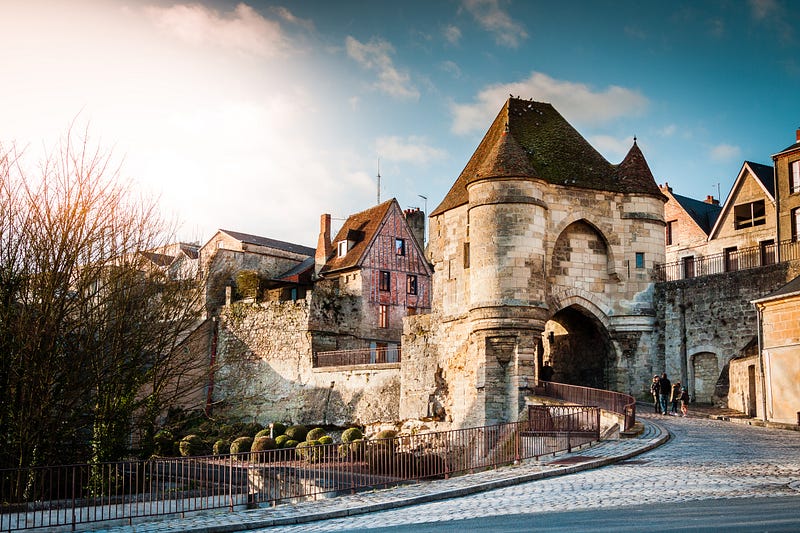
Memories of frolicking through the French countryside in a sundress and eating cherries from the neighbor's orchards never left me. From the first time I visited France at the age of 14, I never stopped dreaming of living abroad. I wanted to return to a life that was taken out of a page from a fairytale, for my only task to be picking up a fresh baguette for my family at our favorite bakery again. I remember happily rising in the morning, ready for the bike ride that would take me there with the wind blowing through my hair. Ever since these moments, I've dreamed of returning and becoming once again dépaysé (Translation: "Situated in unfamiliar surroundings: being out of one's element"). I wanted to feel more of that. It was exciting to discover a world so different from my own.
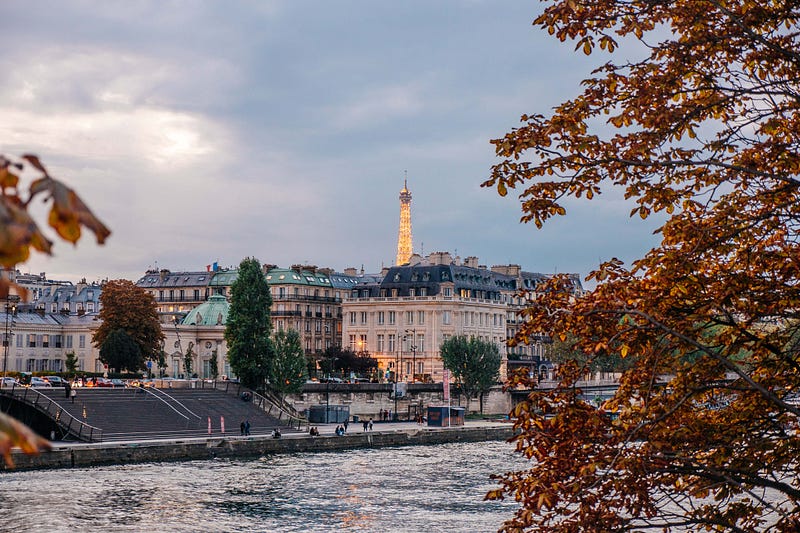
Finally, eight years later, I moved to France at the age of 22. I spent the years before that learning French and dreaming of the day when I would once again be met with stunning unfamiliarity and new surroundings. Upon arriving in France, the country's beauty once again overwhelmed me. It was everything I hoped it would be and more. Aromas from the neighborhood bakery greeted me on my morning walk to school. Parks with blooming flowers, fountains, and historic statues were full of people who enjoyed the simple things in life while being surrounded by extravagance. I, too, wanted to join in, buy a book as the excuse to go to a park, have a picnic, and take a moment to breathe and forget about tasks and deadlines.
It felt like I hadn't done that since my childhood, but there, in Paris, many were making a point to have peace and pleasure be a part of their life. I love France and all the many lessons it has taught me. Still, though my love for France will never go away, living abroad was a more challenging feat than I had imagined. Obstacles that I thought I had prepared for still presented themselves to me.
Having a foreign accent
When I first moved to France, I could already conversationally speak the language. I made sure, before coming here, to study the language intensively so that I could be respectful to the culture and the people I would eventually meet. I even ended up passing the CEFR B2 certification. This certification shows employers that your level in a language is good enough to work or study in (an accomplishment I was quite proud of at the time, as it took hours and hours of studying to succeed finally!). I felt ready to move abroad and meet new people. However, I wasn't prepared for how hard and lonely it can sometimes feel to be a foreigner. After some bad experiences of people making fun of my accent in my new second language, I became a person I didn't recognize. I began to feel timid, outcast, and fearful, which are words I never associated with myself before moving abroad.
Losing your identity
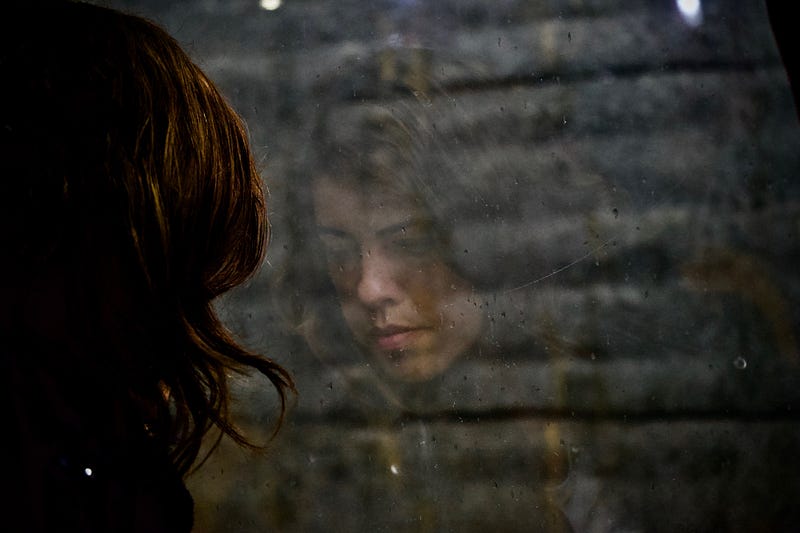
It felt confusing to be in a place that I loved so dearly and to, at the same time, feel like I was losing important parts of my identity. In my home country, I prided myself on how bold I was. I was social and made an effort to include those who weren't. However, I had never had the experience myself of feeling excluded and hoped for someone to come along and tell me how I could recover from my new fears. I even stopped speaking French for a while because of the unhappy memories speaking the language brought back to me. I couldn't stay away for too long, though. I've always loved the French language and language learning in general. So, I promised myself that I wouldn't let others' comments pull me down into a tank of shame. I vowed to continue learning French, no matter how uncomfortable it made me to put myself out there constantly. Nowadays, my fiancé and I speak to each other exclusively in French, and my courses at university are also in French.
The reality of being "foreign."
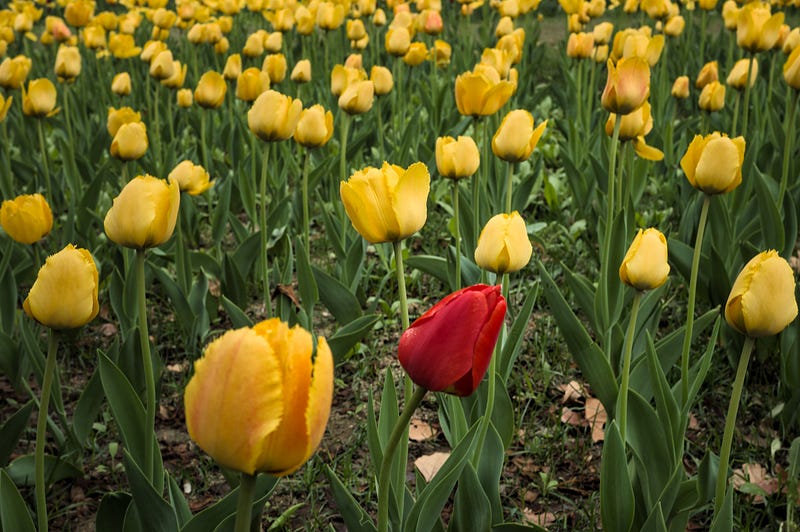
Upon doing a lot of self-reflection, I realized that what happened to me is something many foreigners deal with. How we (foreigners) comport ourselves can feel new to people, and they might not know how to react. Finding who we are in a new language and culture can feel like a neverending task, but it is doable. When I first moved to France, I was constantly frustrated at each cultural mistake I made, at every grammatical error in my sentences, and even by the fact that people knew I was a foreigner just by looking at me. But then, I realized that all of the "failures" and mistakes are gifts and a part of the adventure. Each uncomfortable situation leads me to live a life that is more globally-minded. If I had stayed in the U.S, I wouldn't be the person I am today. Though my current new "self" has gone through more trials than she would of if she stayed back in her home country, she is much wiser, braver, and more empathetic.
Here is a quote from Brené Brown that I think perfectly describes the realization that I hope each foreigner/expat/nomad has…
"We can choose courage or we can choose comfort, but we can't have both. Not at the same time. Vulnerability is not winning or losing; it's having the courage to show up and be seen when we have no control over the outcome. Vulnerability is not weakness; it's our greatest measure of courage." — Brené Brown
Living abroad is not easy. It's exciting, new, and unfamiliar in the best way. But there is a lot of loneliness and self-reflection which accompanies those feelings. Still, I would recommend living abroad to anyone. Though reading about heroes is exciting, if we are brave enough and choose to accept the challenge, putting ourselves out there and actually living the adventure allows us to learn so much more about the world than we could ever imagine!