What The Rise Of Cozy Gaming Tells Us About Society
Because let’s face it, the world is not cozy for many of us right now.
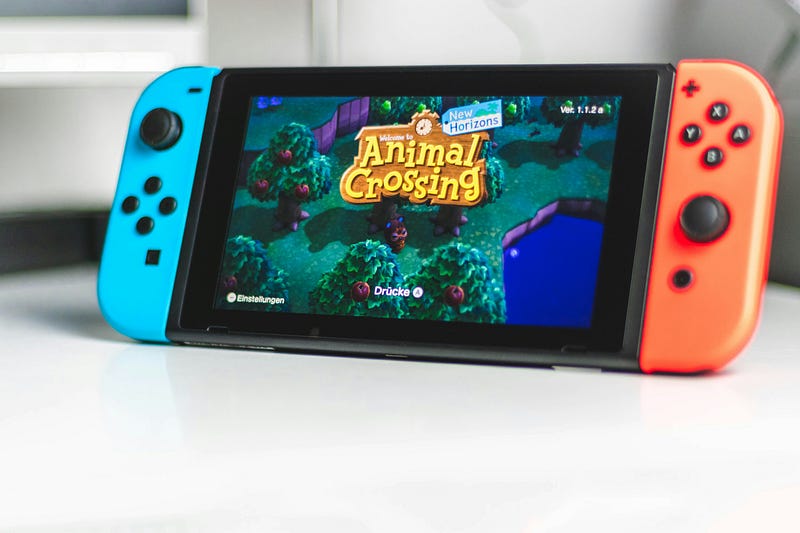
Lately, I’ve been pretty enamored with a number of mobile games — June’s Journey, Project Makeover, and Food Stylist, to name a few. It was hard for me to figure out what I liked about them at first.
Was it the twitchy game play that involves simple puzzles? Was it the slight mindlessness of it? The feeling of control that came with choosing how to decorate something?
It was a little of everything, to be honest.
Recently, I overheard a couple talking about “cozy games,” and that’s when it clicked. There is a growing genre of games that isn’t about fighting ogres, surviving an apocalypse, or even participating in some kind of sport.
It’s a genre that’s proving to be unusually addictive for many, many people. I think it’s a big reflection on what’s going on with a society, so let’s talk about it.
What are cozy games?
Did you ever play a game that made you feel warm and fuzzy? Maybe it was a game that just took your mind off of something and gave you a feeling of contentment — almost like a really satisfying sip of hot tea.
That’s a cozy game, in a nutshell.
Cozy games often have very wholesome themes, low difficulty levels, heartwarming storylines, and a way to make you feel like you’re living an idealized life. They also tend to have pastel color themes and cute characters.
Lately, I’ve noticed a major uptick on cozy games in the gamer world — especially on mobile phones.
To a point, this was always a game genre, even if it didn’t have a name. However, it’s become a major drawing point. It seems like every single year that passes brings more games and more game fans.
I understand the draw these games have. It’s hard not to. They’re comforting and act like a digital hug. In a cozy game world, there’s no danger or loneliness. It’s just you in a world of friendly characters.
The rise of cozy games seems to be directly linked to the stress our society feels.
Studies have revealed that Gen Z (and to a lessor point, Millennials) are very amenable to freemium games. This doesn’t surprise me, especially when you notice how many of them also happen to be cozy games.
In my experience, freemium gamers tend to be into this expensive hobby when they feel like their ability to get other major purchases is almost nil. I mean, if you’re never going to be able to buy a home, why not get a mansion in a game?
It gives you some kind of feeling of accomplishment, of control, of progress…In a world that often feels cold, uncaring, and unfair, that’s incredibly comforting.
This is far from the first time people turned to “cozy” media during times of upheaval.
In World War II, a similar phenomenon happened with both American and German people. More specifically, it dealt with the movies that became popular back then.
In the United States, the adorable antics of Shirley Temple, screwball romantic comedies, and Little Orphan Annie became the most popular things for people to watch. The shows of the 1930s and 1940s were often shockingly upbeat.
Why?
Because we were in the Great Depression and then had to deal with World War II. Watching more depressing stuff would have probably sent some people over the edge.
In Nazi Germany, romantic comedies and upbeat family shows were popular. This was an actual conscious move by Joesph Goebbels as a way to help keep German spirits up during the war.
Both sides of the War dealt with the horrifying realities of life back the through the use of escapist media. Is it really that shocking that our increasingly demanding economy and violent society behaves the same way?
Cozy games are a telling indicator of our society’s mental health.
Did you know the last time suicide rates were as high as they are today? The year was 1938. Alcohol-related mortality rates were only this common back in the 1910s.
How fascinating it is, then, knowing that each of these eras were marked by spikes in war, poverty, and uplifting media. At the end of the day, cozy games are a sign that we are searching for some kind of comfort.
And honestly? Moving stuff around on a digital dinner plate is probably healthier than drinking yourself into a stupor. Besides, you never have to worry about vomiting from excess gaming.
As long as you don’t become totally engrossed in it to the point of ignoring your real life, maybe it’s not a bad thing after all.