
What The Research Says About Sleep
There is big business tagged as RECOVERY in fitness and wellness, but simple old sleep may still be the staple.
In the world of sports, ATHLETIC RECOVERY is a thing and falls under sports medicine and rehabilitation field. Areas like Cryotherapy, Percussion therapy (those drill like vibration devices), red light therapy and massage are taking off.
Of course many will try these tools to help restore the body.
But SLEEP may be the fundamental principle that is overlooked.
Who would have thought that the instinct for extra sleep we had as teenagers was far ahead of its time.
For you and me, the topic of RECOVERY prioritizes REST in a different way than has been portrayed over the last many years. For the longest time the mantra of the working person, was go, go, go and grind it out. The more hours you put in the more you would get ahead.
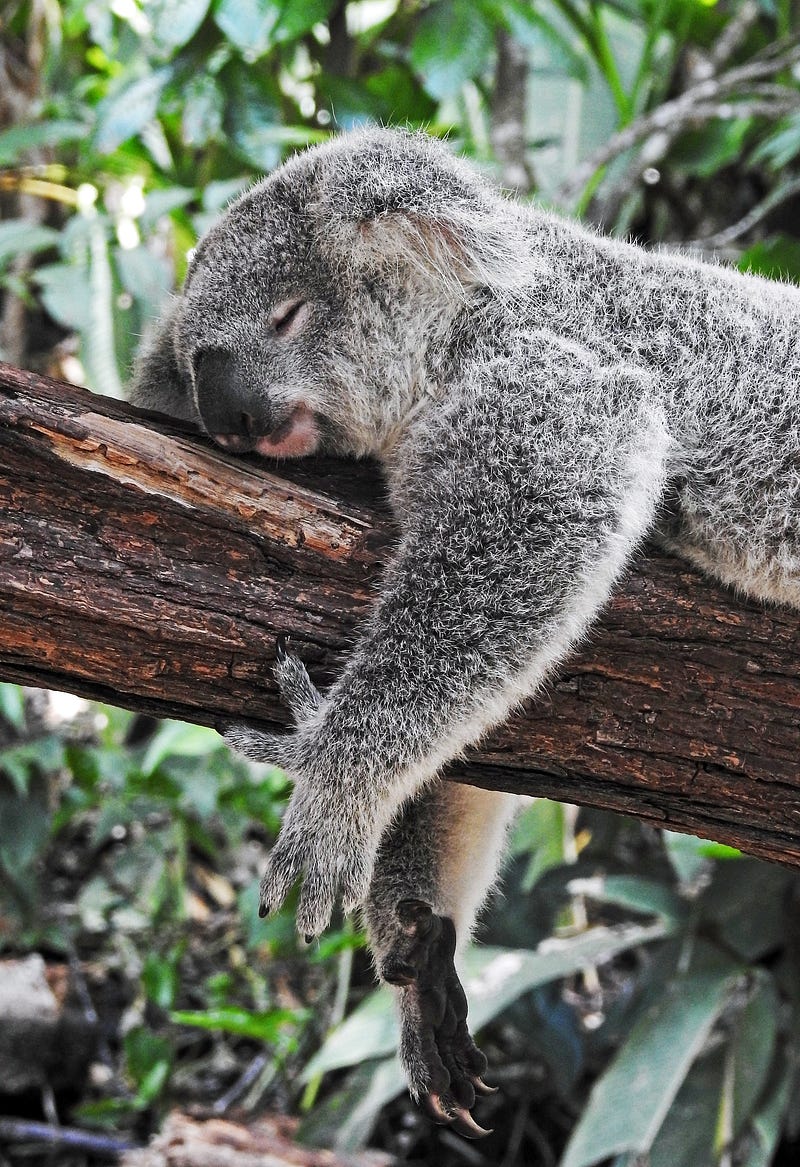
Unfortunately, lack of sleep has become a badge of honor to many. In the modern age, the increasing demands of day to day life have left sleep out in the cold.
But the repercussions are significant.
Lack of sleep has been associated with Alzeimer’s disease
The following have also been associated with sleep deprivation:
Mood swings
Weight gain
Memory issues
Trouble thinking and concentrating
Accidents
Weakened immunity
High blood pressure
Low sex drive
Higher risk of heart disease
Higher risk of diabetes
Poor balance.
NOT GETTING ENOUGH SLEEP IMPACTS THESE. READ THEM AGAIN.
Those who generally slept for less than five to seven hours a night were 12 percent more likely to experience a premature death.
People who slept more than eight or nine hours per night had an even higher risk — 30 percent.
- In Canada, the recommendations for those 18–64 are 7–9 hours of sleep per night. 1 in 3 adults aged 35–64 are not getting enough sleep .
- Similar stats have been forwarded for those in the USA based on this study
What is interesting here is that researchers found lack of sleep is rising from approx. 30% in 2010 not getting enough sleep to 35.6% in 2018.
Those working night shifts, from emergency services to factory workers, health care professionals are the most susceptible with their night shift working affecting their sleep and their health.
In fact, the World Health Organization (WHO) classifies shift work as a carcinogenic. (Definition: carcinogenic is any substance that promotes the formation of cancer).
• These findings are consistent with what other countries and standards when it comes to sleep.
Research by the Royal Society for Public Health in the UK, in 2016 found that they typically sleep for 6.8 hours a night. But a five-country study in 2013 by the National Sleep Foundation in America found that 16% of adults in the UK sleep for fewer than six hours a night while another 19% sleep for between six and seven hours.
In some countries, it is worse. Half of Japanese in the prime of their life are getting less than 6 hours of sleep per night.
What seems most important in fixing the issue of lack of sleep is increasing an awareness of its impact.
In “The Business of Sleep” Professor Vicki Culpin, a clinical psychologist and expert in sleep and memory, warns: “Never before have significant percentages of working adults been so sleep deprived.”
Her book takes aim at “an age of foolishness” in which large numbers of people seem unaware of what Culpin describes as the “serious cognitive and health consequences of insufficient or poor quality sleep… despite the addition of sleep hygiene courses in corporate wellbeing and occupational health packages”.
Want to know what sleep deprivation is doing to our society from Professor Culpin ?
Take 13 minutes to check this out as Professor Culpin covers topics like less than 7–9 hours of sleep reduces alertness by 32%!
Here is the TED talk :
Personally, I need to get some rest
Greg Lawlor is a writer for
You can connect with Greg here: