
What the Heck is VEVO?
And why is their name on every music video ever made?

Have you ever wondered about that little name that sits on the bottom corner of every major music video released in the last few years?
I’m old enough to remember a time before Vevo was stamped all over everything. I reacted with fear on the day it first started appearing on every music video. I remember thinking that YouTube was going to be split into pieces.
Of course it wasn’t, but that doesn’t mean that it never will be.
What is Vevo?
Vevo is a joint venture founded by Universal Music Group, Sony Music Entertainment and EMI. Warner Music Group is a licensed partner.
What does that mean?
The biggest players in music all came together and founded a new company. They jointly own this company, and run it in the best interests of them all.
The newly formed company turned to Google and signed an ad revenue share agreement. Google would host their videos on YouTube and split the profits with them. EMI has since gone elsewhere with its videos, leaving Universal, Sony, and Warner Bros to carry on the Vevo name.

The Vision
The vision for Vevo started the way company visions always do, with world domination.
Owning all of the worlds most famous artists and their music, Vevo and its powerful parents felt unstoppable. They started a wildly popular music streaming website and launched a companion app.
On their website, they hosted an award show that rewarded artists that scored over 100 million views across their own site and YouTube.
They revelled in their combined might of all music videos. Because these companies controlled almost anyone that became famous, they wielded unchecked power. They could control advertisers, sell merchandise, even add their name to the end of the artists names on their YouTube channels.
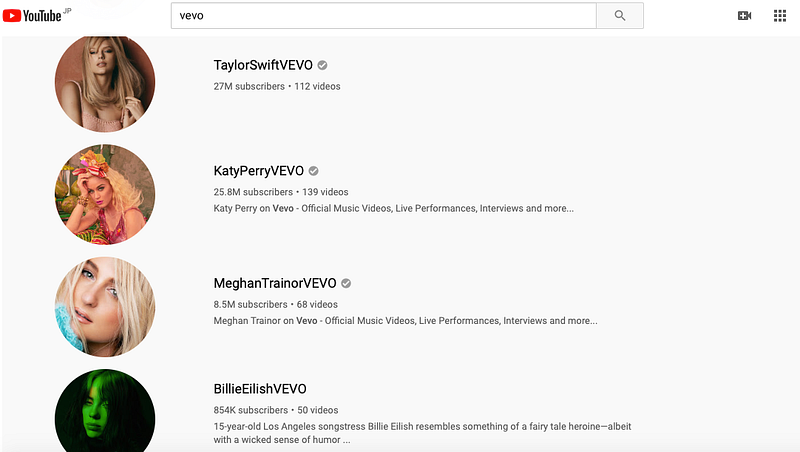
It grew so immense that it started creating fear within the YouTube community.
What does Vevo need with YouTube?
The biggest fear that emerged was that YouTube was unnecessary.
While YouTube provided Vevo with many of its viewers, their own site was attracting millions of viewers on its own.
The site was clean, beautiful and easy to use. They also had plenty of advertisers on their own site, and on their own site they weren’t splitting ad revenue with anyone.
Leaving YouTube would mean taking every major music video off the website. This would be the end of YouTube Music, and the end of almost all music videos on the site. (Except indie and foreign ones).
Of course this wouldn’t be such a concern if so few American companies weren’t able to grab so much power — but I digress.
The second fear was that once Vevo had attracted all their viewers to their own website and YouTube was left in the dust, they could switch to a subscription model. This would mean that unless you were willing to shell out money for a subscription, you’d be unable to watch the newest music videos by your favourite artists.
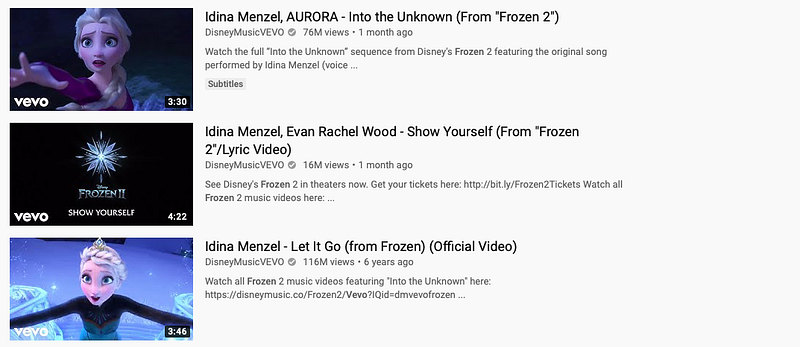
Your child would even be unable to watch the newest Elsa power ballad.
So What Happened?
In May of 2018, Vevo’s YouTube channel was hacked by two hackers named Kuroi’SH and Prosox.
While inside, the two hackers deleted ‘Despacito’, which was the most viewed Vivo video at the time. They also renamed many of the other videos before being locked back out.
It was only a month later that Vivo shut down their own site and redirected all of their focus onto YouTube.

The White Flag
Vivo was launched by several competing music industry giants as a way of dominating the music video space together.
In a way, they created a music video monopoly that could have brought YouTube to their knees. They created a website and an app that were wildly popular, and even started a music channel in 2013.
Then in 2018 it all ended.
The only thing we know is that they were hacked, but merely being hacked on YouTube isn’t nearly enough to derail plans for world domination.
We know that the music channel wasn’t bringing enough ratings and was shut down after failed rebranding efforts. By extrapolating, we can only assume that the same thing must have happened to their site.
After a wildly successful first year, the Vivo website didn’t execute a kill plan on YouTube, or carry out a plan that would turn them into a viable 3rd party option for the viewing public.
There was no need for people that wanted to see music videos to stop going to YouTube. Especially since the Vivo site didn’t offer enough benefits that couldn’t be found on YouTube.
Without assassinating YouTube, there really wasn’t enough room for both of them to co-exist. The consumer isn’t ever going to go to a second location for the same product they can get at the first.

Glorious Start, Pitiful Death
Vivo isn’t dead, it has regressed to the bottom of the video screen. It exists today as branding you’ll continue to see on most music videos.
It also exists as a reminder that the entire music industry is run by only a few people in expensive suits.


