
What the Dictionary of Obscure Sorrows Says About Productivity
These 3 invented words can deepen our productivity.
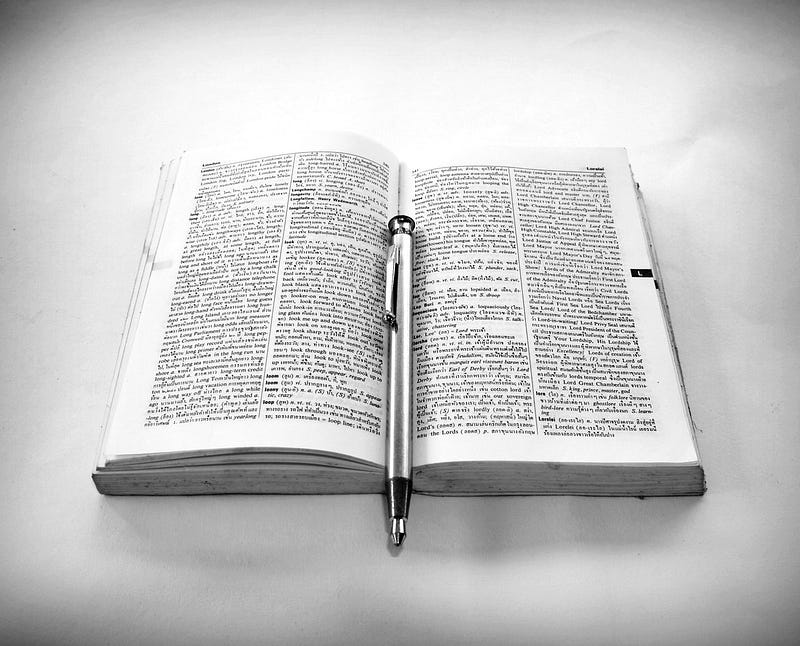
The Dictionary of Obscure Sorrows reads like any dictionary, one word at a time and defined, complete with type and etymology. But it’s so, so much more than that.
John Koenig published this masterpiece in 2021, became a New York Times bestseller, and is completely made up. That’s right, every word in this book is invented but captures a human emotion that is somehow universal.
“Psychologist Tim Lomas created an interactive lexicography of emotion words in languages from Akkadian to Zulu, positing that expanded sentimental vocabularies enrich our inner lives.” — Jen Rose Smith
Koenig introduces these new words into our vocabulary, and in doing so, enriches our lives by giving us the ability to communicate with each other in ways we never had before. Specifically in the realm of productivity, i.e. achieving what we want out of life, these words allow us to discourse and explore.
These are my favorite three (or four) words from his book that I’d like to discuss, and in doing so, cultivate a deeper and more fulfilling productivity.
The Til
the til (noun)
1. the reservoir of all possible opportunities still available to you at this point in your life — all the countries you still have the energy to explore, the careers you still have the courage to pursue, the skills you still have time to develop, the relationships you still have the heart to make — like a pail of water you carry around in your head, which starts off feeling like an overwhelming burden but steadily draws down as you get older, splashing gallons over the side every time you take a step.
Upon further thought, I don’t think the reservoir depletes over time, as we age. At first read, this word struck a chord because absolutely, yes, there is a sensation that time is running out. My physical body is telling me I can’t do what I once did. My mind tells me the speed at which I process data is slowing. But then again… maybe not. Like Arthur Brooks describes in From Strength To Strength, as we age the areas for optimum performance are just different. The skills that may be degrading are being replaced by new, emergent skills that are better suited for different tasks. So yes, time is moving forward and water continues to be splashed over the reservoir’s edge. But the sloshing is not quite as aggressive, and maybe it’s raining, allowing for some replenishment of the reservoir.
“The less energy we waste regretting the past or worrying about the future, the more energy we will have for what’s in front of us.” — Ryan Holiday, Stillness is the Key

Puntkick & Cosic
puntkick (noun)
1. a quiet jolt of recognition that it’s time to become a better version of yourself. Sensing that all the strategies that brought you this far are no longer working, that it’s not enough anymore to be cute, or nice, or righteous, or tough. As if you’ve now entered a new phase in the game of life moving forward with a completely different token.
2. from the dutch puchtook, railway frog which is the part of the railways switch where two rails intersect. Sometimes you can feel a little kick when your train passes over it, as if the world is trying to signal missing a turn, having traveled too far in the same old track.
When was the last time you felt a puntkick? I feel little puntkicks all the time. When I’m working through my relationship, learning and understanding my partner better each day, I have realizations about what a loving, mature relationship should be like. When I’m at work and managing my employees, they test and try me, which makes me grow as a leader and try new, ways to coach them. Small puntkicks of what I’ve done in the past won’t be enough to get me further.
Puntkicks happen to all of us as we travel over the railroad tracks of our life. Sometimes we take the connecting train and off we go towards a new destination. Who’s to say one destination is better than the other? That’s something for Marvel’s multi-verse movies to explore. Rather, the real question is when each of those puntkicks occurred, what made you choose to stay the course or to jump trains?
“What if we can’t deal with the new situation? What if it causes me to suffer? What if I fail at a new job? What if new people don’t like me? What if they break up with me, what will I do? What if I lose money? What if, what if, what if…” — Tobia Weaver
The next time you’re riding the train of life, holding the handrail above you, and feel the jolt of a puntkick, don’t ignore it. Instead, go on the adventure of jumping the train and seeing where that one goes. It might be a flipping of the coin, but I will prefer the exhilaration of the unknown and the growth from being uncomfortable than the potential of a cosic future.
cosic (adjective)
1. afraid that the rest of your life is already laid out in front of you, that you’re being measured swept exuberantly along from school to graduation to career to marriage to kids to retirement to death, which makes you wish you could pull off to the side of road for a little while, to stretch your legs out and spread out the map so you can double check you’re heading the right way
1202
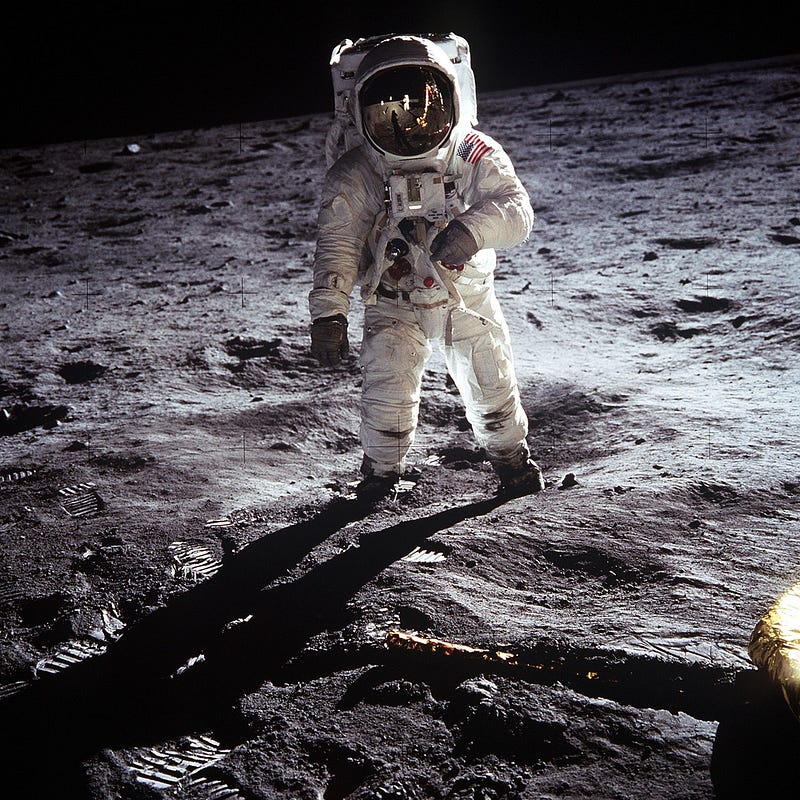
1202 (noun)
1. the tipping point when your brain becomes so overwhelmed with tasks you need to do, you feel too guilty to put anything off until later, prioritizing every little thing at the top of the list, leaving you immobilized.
2. during the lunar descent of Apollo 11, the “1202” alarm sounded just before landing, indicating the computer was receiving more data than it could process. Pronounced “twelve oh two.”
If you’re seeking to improve your productivity, chances are you’ve experienced this sensation. In the pursuit of time management, work-life balance, energy management, and rooting it all in our Why, we may experience this tipping point of, “too much going on, I’m gonna shut down!”
Whenever I feel this (and yes, I feel this quite often), I’m reminded of my college days. I was routinely taking 5 engineering courses at a time, balancing a lot of homework, group projects, and studying for quizzes and exams. It often got to a 1202 moment for me. And I’m not sure how I learned it, or if it’s a natural coping mechanism, but that’s when I got tunnel vision and focused on just one task at a time. Like Ben Sauders, who traveled over 1800 miles on foot to the South Pole in Antarctica, it got to be too much all the time and the coping strategy was literally, one step at a time.
“You need to make the brain work to a shorter time frame. I try to think only with reference to the next 80 minutes when I’d have a scheduled break. That way you don’t get too intimidated or overwhelmed. But I do think about going home, and in the back of my notebook I’d keep a little tally, a bit like a prisoner, counting how many days I have left to go.” — Ben Saunders
Saunders succinctly expresses two key elements to cope with a 1202. First, you break down the goal into small, mentally manageable steps, and second, keep a loose eye on the end goal. You don’t want to feel overwhelmed but you also don’t want to go off track. In my self-defense and self-serving way, I’d rather feel the occasional 1202 than not at all. That tells me I’m pushing the limits, of my body and mind, to live.
Wrapping it up…
“I get so wrapped up in the words that I’m just completely forgetting the reality in front of me. In the end, it doesn’t really matter, you know, whether Iron Man is technically a superhero, or whether Pluto is a planet. But somehow that has infected the larger cultural debates right now.” — John Koenig
Labeling things can be a bad thing. The takeaway is to leverage these emotions we may have about feeling not productive enough, not feeling satisfied in life, and rising through them. Use the puntkicks in life to checkin with the til, and push yourself to the point of a 1202.
I’m with you every step of the way in this journey of life, whether you know it or not. Let’s keep each other company on this adventure of productivity.