
What Stops People From Showing Kindness?
A global kindness survey reveals interesting facts
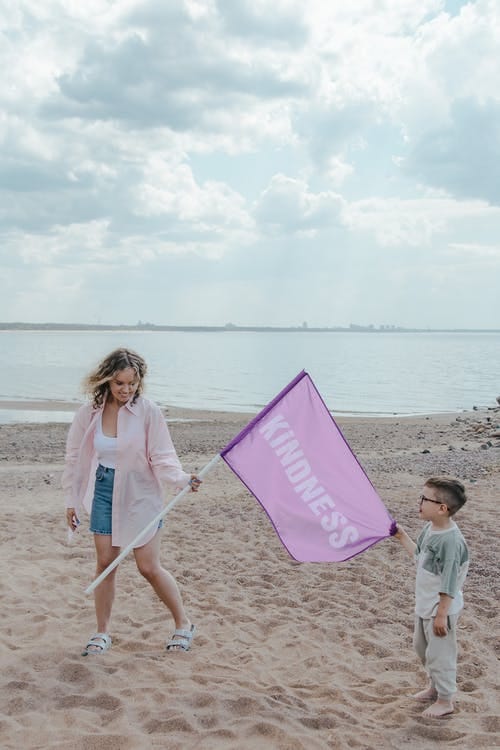
Kindness is a natural instinct, which lies dormant in all of us. To speak or act kindly, we need to activate this kindness instinct.
Some of us find it easier to be kind to strangers than others. What prevents people from exhibiting their kindness?
In August 2021, BBC Radio 4 launched the Kindness Test based on a questionnaire created by the University of Sussex.
In this world’s most extensive psychological study on kindness, more than 60,000 people from 144 countries took part.
The survey’s significant takeaway was kindness was more common than expected, cutting across the variables like age and geography.
Why do people hesitate to be kind?
People reported the most common act of kindness they performed as “helping people when they ask”. Why didn’t these people be kind without being asked?
The most prominent reason for kindness-hesitancy was the fear of being misinterpreted. People did not want to help strangers because they feared embarrassment or rejection.
People’s kindness-hesitancy seemed surprising because those who received acts of kindness felt “happy”, “grateful”, “loved”, “relieved”, and “pleased”.
The second-most-common reason people gave for not showing kindness was a lack of time, especially in Western and Northern Europe.
Lack of time seemed to be a lazy reason because the most common act of kindness people reported doing was speaking a few kind words to someone.
About a quarter of the respondents said they held back their kindness because people viewed them as weak. This response contradicted another finding, which stated after performing an act of kindness, people felt connected to others and happier. Acting kind added meaning to their lives.
The survey also found that the kindest people scored high on agreeableness, extraversion and openness.
Final thoughts
Researchers say they have yet to understand global attitudes toward happiness fully. Robin Banerjee, the lead researcher, said,
“The data showed that this can’t be reduced to a simple East versus West comparison or collectivistic versus individualistic countries. We found a much more nuanced pattern. We could have two quite industrialised, Westernised countries with different views about kindness.”
The research team will publish more results about the survey in the future. Based on the data revealed, we can confirm that kindness is a universal virtue cutting across cultures.
The fears and hesitancy around kindness seem misplaced. We need to view kindness as a strength and a superpower, not a weakness.
Thanks for reading this story.
This story was brought to you by Spread the Ripple. We are a publication dedicated to kindness. Kindness is our superpower. Read more stories and come and write with us here:


