
Star Wars & Marvel & DC Could Learn A Lot From Transformers
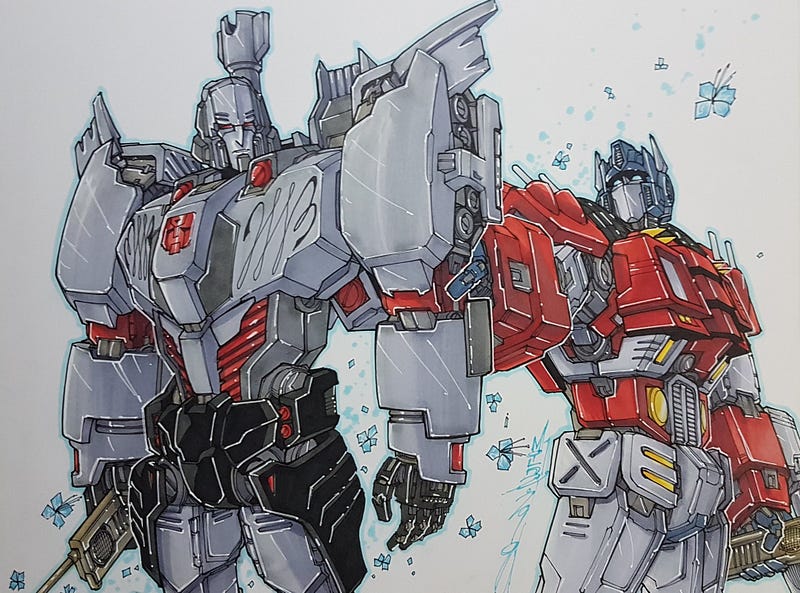
“What,” you say, speaking to your computer more and more since she left you, “do they need more metal testicles?”
Bear with me.
Historically speaking, we have an odd attitude about stories.
Copyright law, franchising, the book-to-movie-to-video-game cycle, and all the mass industrial media of the 20th century have translated into a world where we treat stories very differently than our ancestors did.
Your average medieval peasant heard a story and retold it. Chaucer loved this kind of stuff, and he wrote it down in vernacular English, but he never owned the stories he wrote, nor did expect that he had any control over who rewrote them. Shakespeare saw mediocre plays and read mediocre novels and ripped their plots off to make them better.
Of course, Chaucer couldn’t make a living without John of Gaunt’s patronage, and Shakespeare only made a living because he invested in a successful theater and hustled around the countryside with his touring players. Although most creatives don’t make money these days on royalties or project advances, it is nice to have protection on our ideas so someone doesn’t come out with a better version next week.
Still, when a really successful story balloons into a franchise, it will eventually deal with Jupiter-sized balls of continooze: a slimy mash made from stories, upon stories upon stories, told over years by very different people.
Disney scrapped years of “Legends” canon to create the sequel trilogy, and then, as their own ancillary media grew as huge and unwieldy as Legends, they started to look much like what they changed. Han and Leia had a son who turned to the Dark Side? The Emperor resurrected himself? And had a rebellious son and a chosen Jedi warrior of a grandchild? Grand Admiral Thrawn is back?

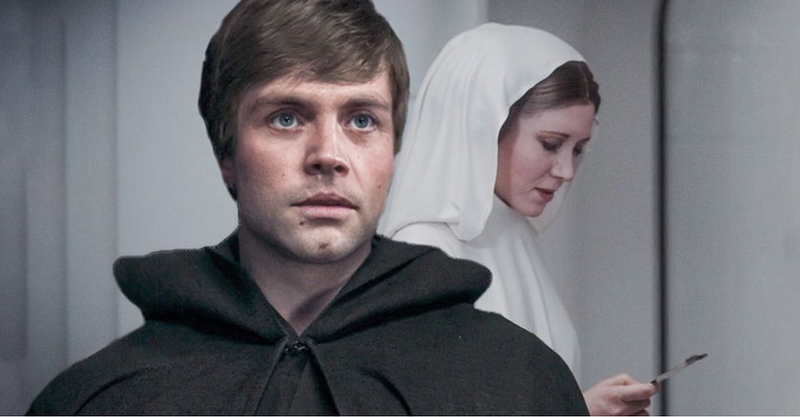
Star Wars digitally recreated Peter Cushing, Carrie Fisher, and a young Mark Hamill to try and keep things more-or-less copacetic. And speaking for everyone who doesn’t live in the uncanny valley, STOP. IT’S CREEPY.
Comics are almost as bad. To give the impression of a story running since the 1930s, 40s, and 60s (it’s better not to talk about the 50s), DC hits reset like they’re Stimpy with the History Eraser. Crisis On Infinite Earths was pretty cool, with its “bodies-hit-the-floor!” attitude toward clearing out clunky continuity, but then we had another Crisis in the 2000s, the reboot of 2011, and again, and the thing about crises is they aren’t usually once a year.
(Insert sad, pessimistic climate change joke here.)

Marvel doesn’t treat its messy continuity with such gravitas, but they have still done some really dumb things in order to try and straighten things out (Spider-Man sold his marriage to the devil *cough cough*).
By Marvel/DC logic, the 38-year Transformers franchise should have all the cohesion of fully-cooked noodles. But because the franchise is… well, nakedly commercial, it just starts over, and over, and over, usually to serve new toylines.¹
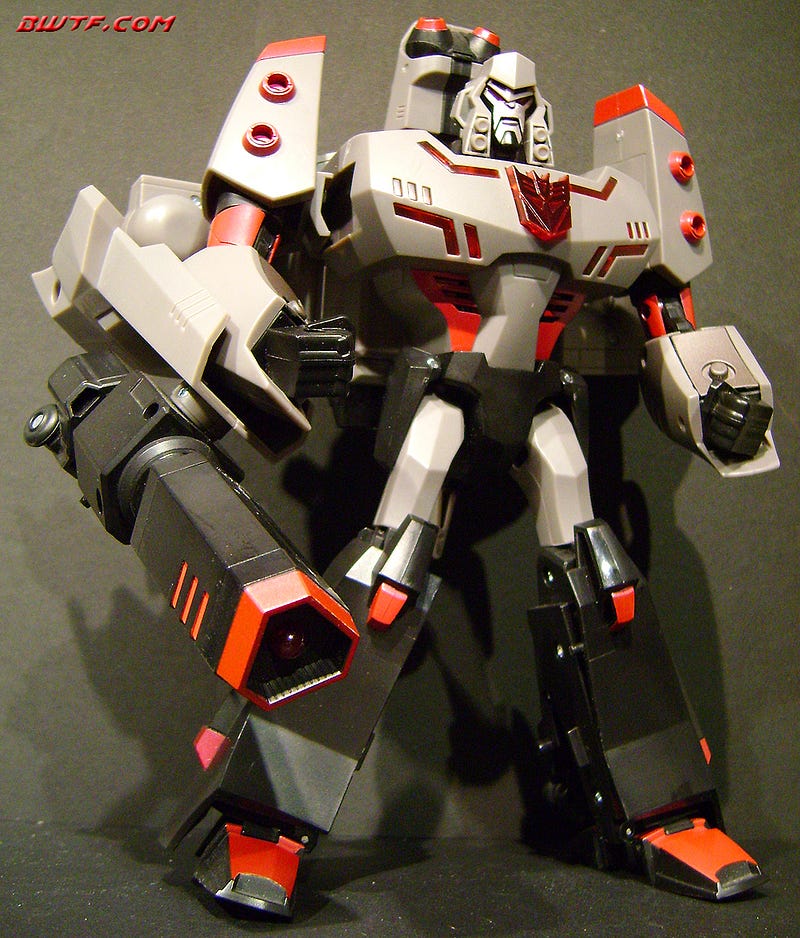
Do you like the zany late-2000s Samurai Jack style of animation and storytelling? Transformers Animated not only had one of the greatest shows but the greatest toys in the franchise’s history. Want complex explorations of science fictional themes and character redemption arcs? Read the comics from IDW, now going on their second ending.
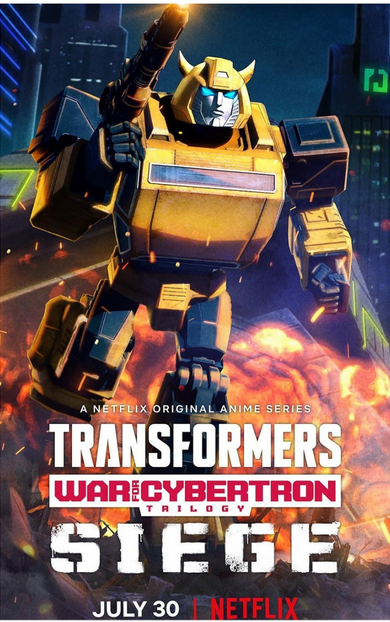
Want Generation 1 retold at a slow burn, in dimly lit dourly-delivered 21st century TV? Try the Netflix series, and tell me how it goes, because even I couldn’t get through it.
It’s fine! I watched Cyberverse instead! It was delightful.

The best part is that you are watching a story that started recently and will end in time. You know, like, oh, books and plays and (most) movies!
Writers don’t have to throw that story away in order to keep the character “relevant” or “reinvent” things; just end one version of Transformers and start again.
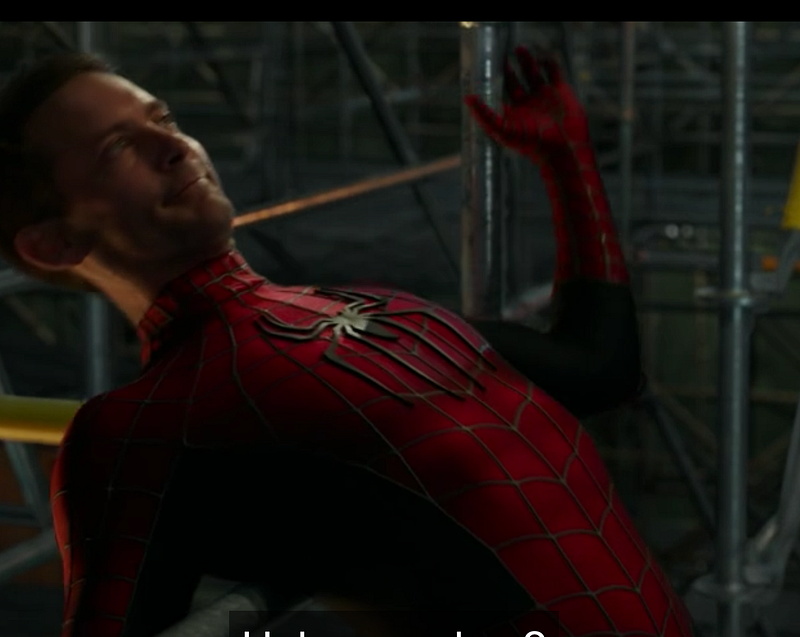
In No Way Home and Into The Spider-Verse I got to meet Spider-Men pushing 40, dealing with pushing-40-challenges. I love that. But to some degree, I’ll always be second or third fiddle because the “main” Peter Parker must be around 25 and perpetually single. And except as appendages to Tom Holland’s story, we don’t get the stories of Tobey Maguire or Andrew Garfield aging and going into a different kind of Spidey future.
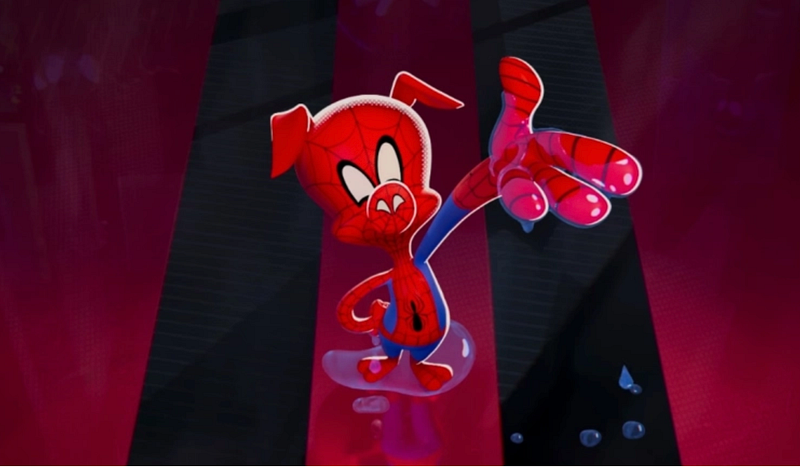
Into The Spider-Verse saved a ‘legacy’ stories (the Peter Parker identity) while allowing for general reboots away from it, since franchises must also appeal to fans who aren’t just young straight white men. This is tough with media created by white men in the 20th century, who rebooted racism and sexism more than DC tried to make Shazam work.
Were Transformers still going off its 1980s story, they’d be struggling for continuity reasons as to why a bunch of female robots became important mid-2010s. But to up the lady bot count, they just made Windblade, Shadow Striker and Slipstream main characters in Cyberverse. Now Cyberverse is over after 3.5 seasons and Earthspark will savor a new flavor, featuring not just female robots but people of color.
People like a type of story. Even fans of big sagas, like Wheel of Time fans finding A Song of Ice & Fire, are looking for a vibe more than a through-line. I like transforming robots, dudes with spider-powers and laser-sword-wielding space samurai. I don’t need just one narrative for each.
No doubt Shakespeare and Chaucer, could they roll into 2022, would agree.
And add something along these lines: “For we, which now behold these present days, have eyes to wonder but not toys to sell… how do you start these franchise things?”
¹ Beast Wars was sort of a sequel to the 80s cartoons and comics, and the High Moon Fall of Cybertron game a prequel to the Prime series which was a prequel to the Robots In Disguise… but they cared even less about continuity than usual; don’t @ me.