
What should you not eat if you have insulin resistance?
If you have insulin resistance, you need to limit (or preferably eliminate): sweets, baked goods, sweetened drinks, and snacks. These are quite obvious recommendations that are known to everyone . If you have insulin resistance, some foods that are generally considered healthy are also not recommended. This includes, for example, dried fruit, some groats, and home-made preserves. There are some seemingly healthy products that have more disadvantages than benefits for people with insulin resistance.
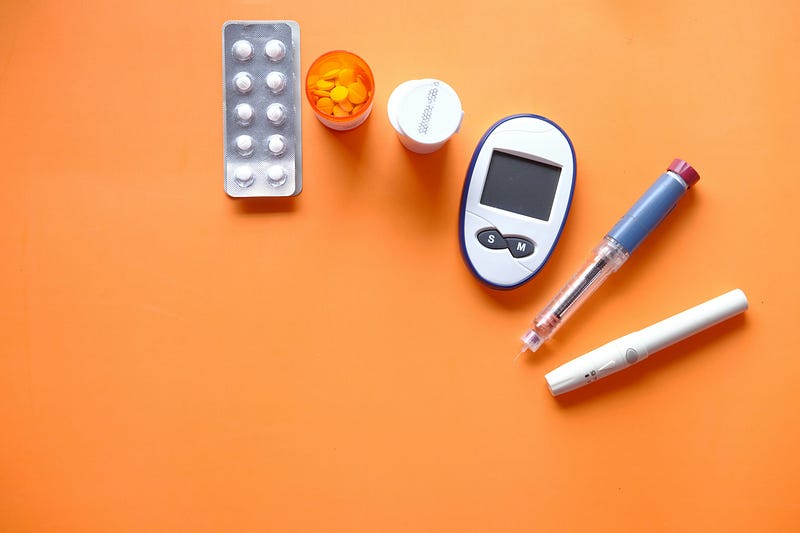
If you want to get rid of insulin resistance, you need to change your lifestyle. It is worth taking care of the basics such as: getting enough sleep, avoiding stress, reducing excessive body weight, regular physical activity and a balanced diet. Nutrition for insulin resistance requires modification. The menu should include unprocessed, low-calorie products full of fiber and low glycemic load.
However, what not to eat is just as important as what to eat if you have insulin resistance . The products that should be avoided or severely limited include, but are not limited to, generally low-nutritious foods. Some healthy products full of valuable ingredients are recommended for healthy people, but in case of insulin resistance it is better to limit them or eliminate them altogether
What not to eat with insulin resistance ? The most important rules
When considering what not to eat if you have insulin resistance, it is worth starting with general tips on products to avoid. It is also worth debunking several myths surrounding the topic of diet for insulin resistance and necessary restrictions.
If you have been diagnosed with insulin resistance, you may come across information that you must categorically reject all products with a high glycemic index . But it’s a myth: the glycemic index is not the best indicator of whether a given product is “recommended” or “contraindicated” in the case of insulin resistance.
Insulin resistance and giving up sugar
The first, basic recommendation for insulin resistance is the need to limit sugar and its sources . This is, of course, a very valid recommendation. Why?
Sugar is a source of simple carbohydrates that quickly raise glucose levels and reduce the sensitivity of cells to insulin. Sugar also has a pro-inflammatory effect, which means it may deepen metabolic problems that occur with insulin resistance.
However, it is important to understand that the instruction to give up “sugar” is not only an instruction to limit the white sugar from the sugar bowl . It is worth keeping an overall low supply of simple carbohydrates, present e.g. in honey, sweets, ketchups, ready-made pasta sauces and more.
The point is not to automatically reject any product that has “sugar” listed in its ingredients. Sometimes its addition is really small and will not significantly affect the health-promoting properties of a given product (e.g. if you are looking for mayonnaise with a good composition, it is not worth taking this into account). However, it is worth getting into the habit of checking the nutritional table of products and choosing those that have less simple sugars.
Insulin resistance and sources and types of fat
Insulin resistance is mainly associated with the body’s carbohydrate metabolism and the need to control carbohydrates in the diet. However, this is only partially true. Insulin resistance is a metabolic disorder whose potential consequences include, for example, cardiovascular diseases, diabetes, and many symptoms related to metabolic syndrome .
These disorders are influenced not only by carbohydrates and their sources. A diet for insulin resistance should meet the assumptions of an anti-inflammatory diet . It is worth paying attention to the content of individual fatty acid fractions in the menu . Healthy unsaturated fats should dominate . Efforts are made to limit or even exclude trans fatty acids as much as possible and to limit the consumption of sources of saturated fatty acids.
Specific products not recommended for insulin resistance
Sweet drinks
Cutting out sugary drinks is one of the clearest steps you can take towards better health if you have insulin resistance. Sugars from sweetened drinks are absorbed extremely easily and quickly, which causes insulin resistance .
Give up all sweetened drinks, including:
- carbonated drinks,
- fruit drinks,
- flavored waters,
- juices,
- lemonades and iced teas (sweetened).
A good change is also the switch to zero (light, sugar-free) drinks. They contain sweeteners that usually have a neutral effect on glycemia.
The healthiest way is to drink water (including carbonated water), tea, herbal infusions and black coffee. These are drinks that do not provide calories (in the version without additives) and are a source of valuable anti-inflammatory antioxidants that support tissue sensitivity to insulin.
Sweets and pastries
Limiting sweets is a must when you have insulin resistance . It is worth giving up store-bought sweets, but also taking a closer look at your eating habits when it comes to home-made sweets, which are considered healthier. Regularly eating cake, even one baked at home, with proven ingredients, will not promote insulin resistance.
First of all, examine your current diet. Don’t look for excuses, just really limit the sweets you eat: from candies, through bars, to chocolate, cookies, buns and baked goods.
Sources of purified carbohydrates
In case of insulin resistance, it is good to replace the sources of purified and simple carbohydrates with whole grain ones. Discard white bread, light rice, overcooked pasta. Replace them with healthier grains, wholemeal bread, uncleaned rice or pasta made from legumes.
Also remember that with insulin resistance, it is not only whether you consume a given product that matters, but also its portion . One slice of white bread will not damage your health. If you have a strong desire for one of the “forbidden in insulin resistance” products, consume it under your own control: in the smallest satisfying portion possible, preferably in the company of sources of fiber , protein and healthy fat.
Sources of saturated fatty acids
A healthy and balanced diet that has anti-inflammatory properties and improves the body’s sugar metabolism requires limiting the consumption of saturated fatty acids . They are present in:
- meat (especially fatty and processed meat),
- butter,
- full-fat dairy products,
- fatty cheeses,
- fast food,
- ice cream and sweets with added fat,
- coconut oil (and coconut milk),
- palm oil,
- confectionery products (cakes, donuts).
Insulin resistance does not require limiting total fat in the diet, but it is worth taking a closer look at its sources and choosing healthier unsaturated fatty acids and getting them from: olive oil, nuts, seeds, grains, avocado, unrefined oils.
Snacks and insulin resistance
If you have insulin resistance, it is definitely worth making sure you eat meals regularly. The wrong approach is to skip meals and mask your hunger with snacks . It is definitely worth avoiding reaching for less healthy snacks (chips, salty nuts, crackers), but it is also an advantage to generally limit snacking between meals, even of healthy products.
High-calorie snacks also do not make it easier to maintain normal body weight and strive for a normal body weight, and this deepens insulin resistance.
Alcohol and insulin resistance
Some sources indicate that moderate alcohol consumption may help improve insulin metabolism. However, these are really moderate, small amounts, and there is no certainty about their “positive” effect . Most alcoholic beverages are sweetened and high in calories, which makes it difficult to maintain a healthy weight (which is crucial for fighting insulin resistance). Alcoholic beverages are definitely worth avoiding or limiting during insulin resistance.
It has been shown that alcohol abuse (consumption of 4–5 units of alcohol in 2 hours) causes temporary insulin resistance in everyone . Even in healthy people, sugar metabolism is dysregulated as a result of various metabolic processes in the liver. In people with existing insulin resistance, this effect is most likely even stronger. Drinking alcohol certainly does not have a beneficial effect in restoring the balance of the body’s glucose metabolism. It is worth adding it to the list of products to avoid in case of insulin resistance.
Healthy products that are harmful if you have insulin resistance
The need to limit the consumption of sweets or sweet drinks if you have insulin resistance may seem obvious to you. In fact, these are usually products about which there is no doubt, and public awareness of their negative impact on health (and insulin metabolism) is quite high. However, there are “healthy” products for the majority of the population, which are not recommended to be included in the daily, healthy diet for insulin-resistant people. Get to know them and follow the guidelines:
Fruit smoothies and insulin resistance
Fruit cocktails can be a tasty addition to the menu, but in case of insulin resistance, a cocktail made only from blended fruit is not the best choice.
After blending, fruit has a higher glycemic index: fruit sugar is absorbed faster, the so-called food matrix and the structure of fiber also change . Smoothies made only of fruit are not a well-balanced meal in the case of insulin resistance.
Fruit juices in insulin resistance
Fruit juices are, of course, a concentrated source of vitamins, but unfortunately also sugars . Fruit juices are devoid of fiber, which means that sugars are absorbed very quickly. In people without glycemic disorders, they can be a healthy part of the diet (juice can replace one of the recommended 5 servings of vegetables and fruit), but people with insulin resistance should avoid them. Even freshly squeezed fruit juice has a lot of natural sugars and from a metabolic point of view: it does not promote insulin resistance.