
What Researching Powerbanks Taught Me About Planning for My Future
The research process for one tool perfectly sums up more than I thought it would
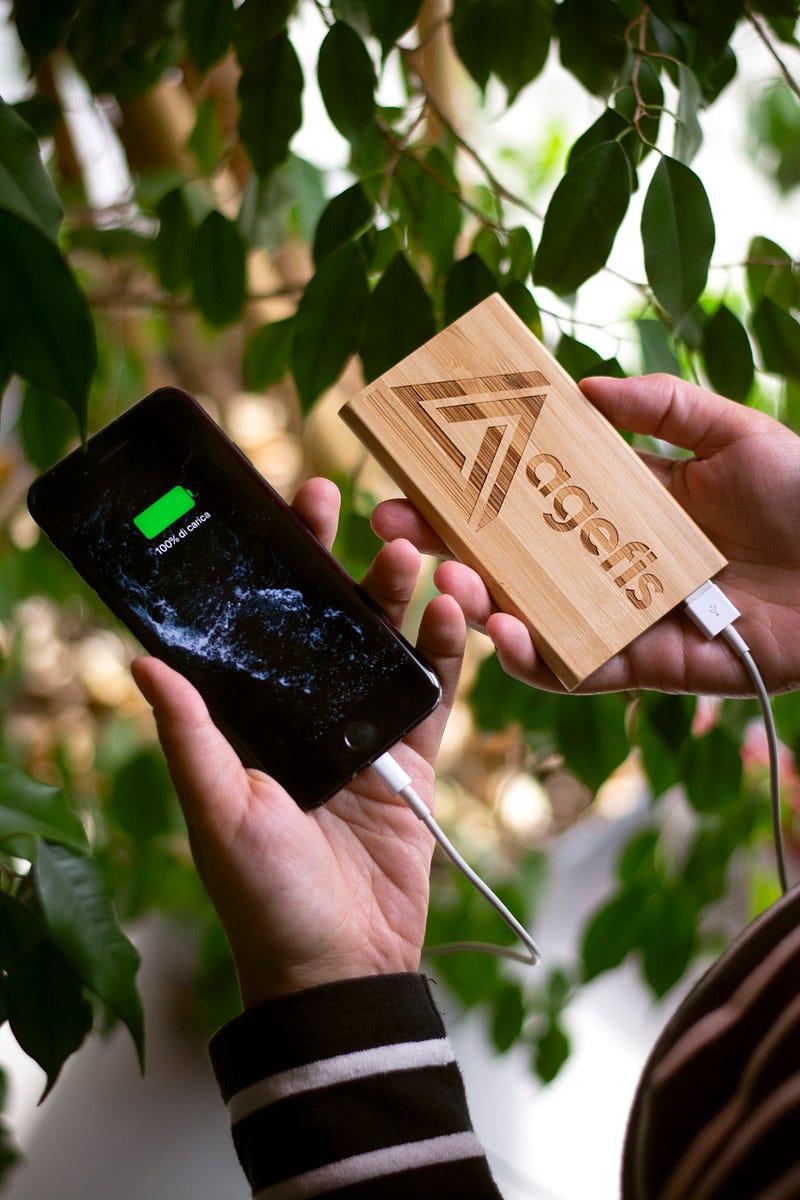
I went on a trip away recently. It was nothing too special, just a change of pace. Naturally, this meant I packed the means to charge my electronics. I had my phone and a portable games console — yep, I still play those in 2023 — that I brought with me.
However, due to the nature of this trip (where opportunities to charge my stuff were limited), I had to investigate purchasing my first power bank. On the surface, it sounds simple. You buy a power bank to charge up your phone and any other electronics you have so you don’t need to rely on finding unused plug sockets in public places or on public transport. Especially when you’re travelling long distances or you’re staying in rural areas a lot.
Yet, purchasing one never crossed my mind. Because my long-term goal is to be more nomadic outside of my country of origin, I’m surprised it took me so long to purchase something like this. Below is my thought processes when I investigated — then purchased — my first power bank.
Learning new things
Now if you’re reading, you’ll probably know much about what I discovered already. However, I was surprised to see what features power banks offered. Obviously, there was the budget vs premium angle that I anticipated, but there were more angles that I did not. ie. what ports are offered, whether wireless charging is possible and its size. There were even massive capacity ones that could even charge a laptop.
I was stunned. It turns out there are so many different power banks. In many ways, I feel like a boomer who’s still getting to grips with how to use a computer, even though I’m nowhere near that old (yet!).
The differing mindsets
Thinking about it more deeply, I realised something important. Most people will only want a power bank for short-term trips away from home where charging electronics can be difficult, such as on public transport, or aeroplanes or if you’re far from civilisation, such as out camping. Hence most people would be fine with something cheap, basic, and fully portable. You could fit these power banks in your bag. Additionally, you may be fine with a 2nd hand model, especially for environmentally conscious people.
Whereas for people who travel extensively or are nomadic in some other way, the purposes of a power bank change dramatically. If you travel internationally (especially for business), you’ll need a power bank to charge your computer. Especially on an aircraft, bus, or train in a part of the world where plug sockets are less likely to work or be available.
Thus, the larger power banks are best suited to a particular niche audience, including people like me. It may even be worth buying a brand new power bank for those who will use their power bank frequently to ensure the maximum battery life possible.
In the end, I picked up one of the cheaper power banks going. I do not have a concrete timeframe for when I’ll need a large power bank, nor am I 100% sure how much I’ll use my current one. Hence a cheaper model is by far the best option.
The wider lesson for us all
Investing in something as seemingly irrelevant as a power bank sums up a lot about planning for your future. It’s worth investing in something more long-term and specialised when that is the trajectory you are confident you’ll follow.
However, if you’re a beginner who’s still finding your feet in navigating the world and knowing your usage and habits, investing too much upfront is a waste of money. It’s always best to invest enough to get started, then monitor your usage and strategy and tweak accordingly as you develop first-hand experience.
Remember this to maximise your chances of meeting your ambitious goals.
Thanks for reading! If you want to support my work, you can do so in the following ways:
- subscribe to me so you get an email whenever I publish something new https://nomadmills.medium.com/subscribe
I will receive a portion of the membership fees, which ensures I can keep doing what I love. Thank you so much!


