
What Our Clothes Say About Cultural Change
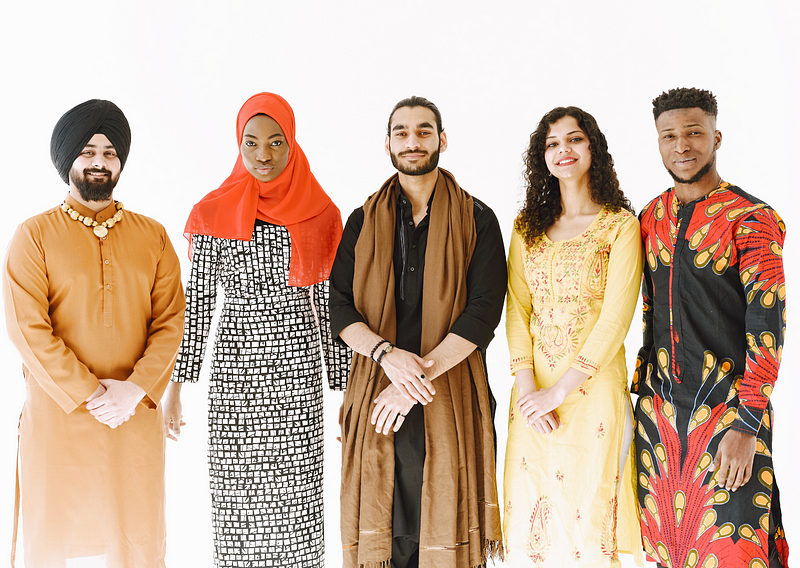
Our clothes are not just layers of fabric that cover our bodies; they reflect cultural shifts and societal changes. What we wear can be seen as an ongoing of our collective experiences and values.
Throughout history, clothing has symbolized conformity, status, and societal norms. As cultures evolve, fashion becomes a form of individuality, political statements, and social movements.
In earlier times, clothes often signified one’s place in the social hierarchy, with elaborate garments reserved for the elite, while commoners wore more straightforward attire.
The heavy cloaks of conformity were laden with the expectations of tradition, each stitch representing adherence to societal roles. But as times changed, these once-rigid structures began to relax.
In fibers spun from epochs’ loom, Our garments whisper of color.
Threads that weave through time and reach, Draping change with grace —
Once we donned the cloaks of conformity, heavy with tradition’s weight,
each stitch an acquiescence to the unspoken rules of the past —
The hems that brush against the world, Once stiff with status, now loose with mirth.
Colors once reserved for crown and throne, Now splash on streets in neon fashion.
The corset’s grip, the crinoline power, Restrictions shed, we breathe today.
Patterns speak of open grounds, A global stitch by many hands —
Jeans that fought for equal seams, T-shirts are crying out for our goals.
Symbols etched in fabric’s dye, Voices are seen, not just heard by sight.
Silk routes spun around the world, Stories shared in textured robes —
From tribal print to the power suit, Cultures blend, roots extend, and take core.
Our clothes, a testament, a stage, Of every era, every generation.
Not just attire but a roster, A of the sociological.
So let the threads unfurl and foot, Costume of progress, not just chance.
What we wear is more than a trend, It’s culture’s shift, twist, and flex —
Each era’s attire, a chapter, in the endless book of humanity,
Our fashion a fluid language, Speaking of who we were, who we are, and who we aspire to be.
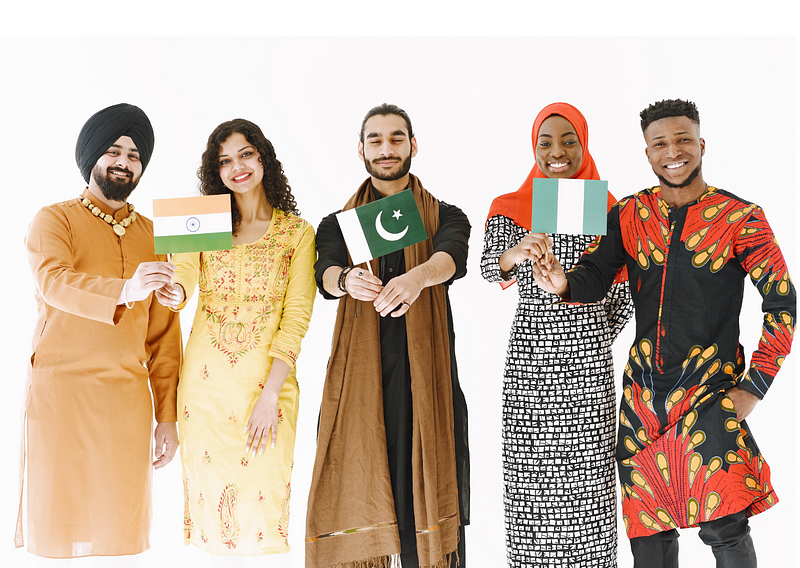
The cultural revolution of fashion mirrors a broader transformation in society. The loosening of corsets and crinolines symbolizes a liberation from the physical and symbolic constraints of the past.
Today, clothing is more about self-expression and less about social expectations. We see a democratization of color and style, where once-exclusive hues and designs now splash across every corner of society, accessible to all.
The global exchange of fashion has woven a of cultural diversity. The silk route is no longer just a historic trade path but a metaphor for exchanging cultural stories through textiles.
Jeans, once a symbol of rebellion, have become a universal staple, and T-shirts often carry messages advocating for change.
Our clothing choices have become a way to voice our identities and beliefs. The power suit, for instance, has evolved from a symbol of corporate conformity to an emblem of empowerment.
Traditional tribal prints can now be found in metropolitan wardrobes, illustrating a blend of cultural heritages.
Looking at fashion through the ages, we see a chronicle of humanity’s evolution, a testament to our collective. Our attire speaks volumes about our past, our present, and our aspirations for the future.
It reflects the cultural shift, twist, and flex with every passing era, making it clear that what we wear is far more than just a passing trend — it’s a vibrant, visual language of change.
Thanks for taking the time to read. I’d like to hear your perspective.
You can also refer to the related poems:

Please subscribe here to receive the latest insightful stories by email.
Did you find this enjoyable? If so, remember to hit the clap button, which you can press up to 50 times and comment. Take advantage of more from me — ensure you’re following if you still need to. Thank you for being an integral part of my journey.


