avatarSh*t Happens - Lost Girl Travel

Free AI web copilot to create summaries, insights and extended knowledge, download it at here

4004

Abstract

example, it didn’t matter how long I queued for the bus, older women would push me aside when it arrived, and I’d always end up the last one on the bus, no matter what. I remember years later being at an airport and instantly recognizing a group of older Korean ladies. They were bustling through and pushing younger people out of their way, much to everyone’s horror. It made me giggle and brought back some memories.</p><h2 id="a86e">Dinner Table Don’ts</h2><figure id="c624"><img src="https://cdn-images-1.readmedium.com/v2/resize:fit:800/1*1SB1-SPKo1ODXvyXAJSprw.jpeg"><figcaption>Image by <a href="https://pixabay.com/users/jyleen21-738506/?utm_source=link-attribution&amp;utm_medium=referral&amp;utm_campaign=image&amp;utm_content=749358">jyleen21</a> from <a href="https://pixabay.com/?utm_source=link-attribution&amp;utm_medium=referral&amp;utm_campaign=image&amp;utm_content=749358">Pixabay</a></figcaption></figure><p id="b596">Every culture has its own intricacies regarding how to behave at the dinner table, and Korea is no exception to this. Abide by these rules, and you’ll get your own five-star review.</p><p id="4392"><b>Don’t</b> leave a tip. It’s considered an insult.</p><p id="159a"><b>Don’t </b>keep your food to yourself. Unlike Joey from friends, Koreans share food. It’s called “jeong,” which is a special love or generosity. Korean dining is an incredibly social experience and often has large dishes put in the middle of the table for everyone to scoop their own portion out of. Get used to double-dipping.</p><p id="01f7"><b>Don’t </b>pour water for yourself. Always pour it for others first, so you don’t come across as selfish and not caring for others. And remember to start with your elders, of course.</p><p id="860a"><b>Don’t</b> stick your chopsticks in your rice. When I first arrived, I will admit I did this; it seemed like a perfectly convenient place to put them. But I was later pulled aside and told that this is reminiscent of incense sticks set in bowels of sand at funerals and makes people uncomfortable.</p><p id="d578"><b>Don’t</b> blow your nose at the dinner table. I kind of hope that you don’t do this anyway, but it’s especially looked down on in Korea.</p><h2 id="cc16">General Don’ts</h2><figure id="2c79"><img src="https://cdn-images-1.readmedium.com/v2/resize:fit:800/1*Nkz39t5mtM_tlu2re2kZRA.jpeg"><figcaption>Image by <a href="https://pixabay.com/users/heechul-16995/?utm_source=link-attribution&amp;utm_medium=referral&amp;utm_campaign=image&amp;utm_content=71952">희철 권</a> from <a href="https://pixabay.com/?utm_source=link-attribution&amp;utm_medium=referral&amp;utm_campaign=image&amp;utm_content=71952">Pixabay</a></figcaption></figure><p id="596b"><b>Don’t</b> talk loudly in public. And my concept of talking loudly and Koreans is quite different. I will think I’m speaking at a low volume, but I can’t count the times I’ve been ssshhhed. I’ve even been sshhhed talking with a group of friends at a bar on a Saturday night!</p><p id="69d0"><b>Don’t</b> show your shoulders or cleavage. These are two areas of the body that Koreans are conservative about showing in public. It’s seen as promiscuous. I got a lot of looks wearing a tank top in summer. I found this confusing because it was socially acceptable to wear a mini skirt and hot pants. I guess legs aren’t offensive, but shoulders are? I’m still a little confused about that, to be honest.</p><p id="4237"><b>Don’t </b>show the bottom of your shoe or foot as it’s a sign of disrespect.</p><p id="0c15"><b>Don’</b>t wear your shoes indoors. Shoes are seen as dirty (which, to be fair, they are), and you should leave them at the door. This isn’t just for people’s homes but also restaurants, temples, schools and well everywhere. It took some getting used to wearing my professional teaching clothing with a pair of slippers in school!</p><p id="59aa"><b>Don’t</b> write names in red ink. I learned this quickly as an English teacher. Like many teachers in the West, I love a red p

Options

en. I used them to mark papers. But writing someone’s name in red means that you want them dead! I was horrified when I found that out and instantly threw my red pens away.</p><p id="a9b5"><b>Don’t</b> give or receive anything with one hand. It’s customary to use both hands to show your respect and gratitude.</p><p id="e6da">I hope you’re feeling prepared for your next trip to Korea and that these tips are helpful and make your trip even more enjoyable!</p><p id="7926">If you enjoy reading stories like these and want to support me as a writer, consider <a href="https://sh-thappens-lostgirltravel.medium.com/membership"><b>signing up to become a Medium Member.</b></a><b> </b>It’s $5 a month, giving you unlimited access to stories on Medium. If you sign up using my link, I’ll earn a small commission.</p><p id="c2fb">If you want updates when I post a new story, you can also <a href="https://sh-thappens-lostgirltravel.medium.com/subscribe"><b>subscribe</b></a>!</p><p id="cbd3"><b><i>If you would like more stories about South Korean culture please check out 👇</i></b></p><div id="b0de" class="link-block"> <a href="https://readmedium.com/trying-to-fit-into-koreas-one-size-fits-all-beauty-standards-4aca11714412"> <div> <div> <h2>Trying to fit into Korea’s one size fits all Beauty Standards</h2> <div><h3>What’s it like to not fit the mould?</h3></div> <div><p>medium.com</p></div> </div> <div> <div style="background-image: url(https://miro.readmedium.com/v2/resize:fit:320/1*mSNMCpvAuuOqjWNVM7bLAg.jpeg)"></div> </div> </div> </a> </div><div id="a75e" class="link-block"> <a href="https://readmedium.com/how-teaching-in-south-korea-gave-me-a-thicker-skin-47307b83af3d"> <div> <div> <h2>How teaching in South Korea gave me a thicker skin</h2> <div><h3>Casual daily insults from children and adults alike!</h3></div> <div><p>medium.com</p></div> </div> <div> <div style="background-image: url(https://miro.readmedium.com/v2/resize:fit:320/1*9KGiXtF0BmNj5fIo831Kqg.jpeg)"></div> </div> </div> </a> </div><div id="9cf1" class="link-block"> <a href="https://readmedium.com/south-korea-dont-they-eat-dog-there-3fa07e819545"> <div> <div> <h2>South Korea- Don’t they eat dog there?</h2> <div><h3>A simple question with a complex answer</h3></div> <div><p>medium.com</p></div> </div> <div> <div style="background-image: url(https://miro.readmedium.com/v2/resize:fit:320/1*kDGXWlJHlSgZmKXI8bPlbQ.jpeg)"></div> </div> </div> </a> </div><p id="7116"><i>Georgina Nelson. Traveller. Writer. Photographer. Yoga teacher.</i></p><p id="b329"><i>Sh*t Happens — because the things that go wrong make the funniest stories.</i></p><figure id="553a"><img src="https://cdn-images-1.readmedium.com/v2/resize:fit:800/1*SKwELdEBKcKsuEW5XX6-jw.png"><figcaption></figcaption></figure><p id="1c28"><b><i>Sign up for our new newsletter to stay informed with up-to-date curations from our editors:👇</i></b></p><div id="8044" class="link-block"> <a href="https://codyjameshowellphd.substack.com/"> <div> <div> <h2>World Traveler’s Blog</h2> <div><h3>Digital nomad tips and travel stories from around the world</h3></div> <div><p>codyjameshowellphd.substack.com</p></div> </div> <div> <div style="background-image: url(https://miro.readmedium.com/v2/resize:fit:320/0*UFjKGUimsExP0yVp)"></div> </div> </div> </a> </div></article></body>

Travel. Culture. South Korea.

What Not to Do in South Korea

Avoid these cultural faux pas on your next trip

Image by Robin Higgins from Pixabay

We’ve all been there. Traveled abroad and acted the way we’ve always acted before being told that we’re incredibly rude. Rude?! Who me?! It turns out yes you. You didn’t know the cultural faux pas of the country you’re in, and now you’ve offended someone by accident. Whoops!

I lived in South Korea for a year and a half, and in that time, I learned many of the things that you shouldn’t do. I thought I’d share them here, so you don’t make the same mistakes. Instead, you’ll make a good impression and inspire a smile rather than a frown.

Respecting Your Elders Don’ts
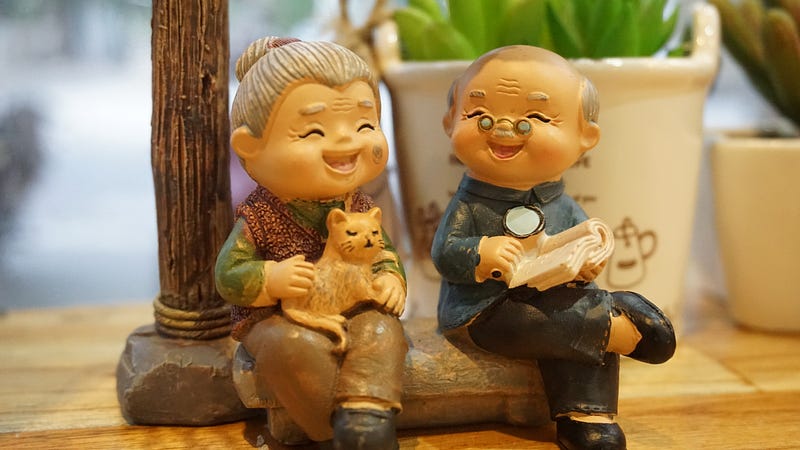
Image by FuSuSu . from Pixabay

Respect your elders. Sound familiar? Sound obvious. Of course, it does, but in Korea, there’s a bit more to it and many rules you need to follow.

Don’t just start eating at dinner. You’re at a restaurant and your plate has arrived; you’re starving, so you tuck in once everybody’s food has arrived. Then you wonder why everyone is looking at you, shocked. I’ll tell you why. You didn’t wait for the eldest person at the table to begin eating. Only then should you pick up your chopsticks.

Don’t get up to leave the table before your elders have finished eating. Even then, ask for permission. You should also try and keep pace with others at the table, so you don’t finish your meal too soon before everyone else.

Don’t refuse a shot or drink offered to you by an elder. If at dinner an elder offers to take a shot or a drink with you, you damn well take it; refusing to take it is offensive. You are refusing their friendship. It doesn’t stop there. When taking that shot, make sure that you face back or away from someone older or higher ranking than you as a sign of respect. If you don’t drink, don’t worry, you can take a shot of soft drink.

Don’t pay for dinner the first time. One bonus of eating with someone older is that it is generally custom for them to pay for your meal. If they offer, accept it with thanks and don’t try to pay or split the bill. Instead, you can get “round two” as in drinks or dessert later. Either that or pay for dinner next time.

Don’t touch an elder on the head or shoulder. You might find it a friendly gesture to touch someone on the shoulder or head but never touch an elder like that in Korea. It’s seen as a condescending thing, something you do to children.

Don’t sit in an elderly seat on the subway. You may sit on the seats reserved for the elderly or pregnant at home if there are no elderly or pregnant people around. Not here, not if you don’t want to be rude and receive a telling-off.

Generally speaking, there is an obvious hierarchy of respect in society based on age. Sometimes I found that people older than me behave a little entitled. For example, it didn’t matter how long I queued for the bus, older women would push me aside when it arrived, and I’d always end up the last one on the bus, no matter what. I remember years later being at an airport and instantly recognizing a group of older Korean ladies. They were bustling through and pushing younger people out of their way, much to everyone’s horror. It made me giggle and brought back some memories.

Dinner Table Don’ts
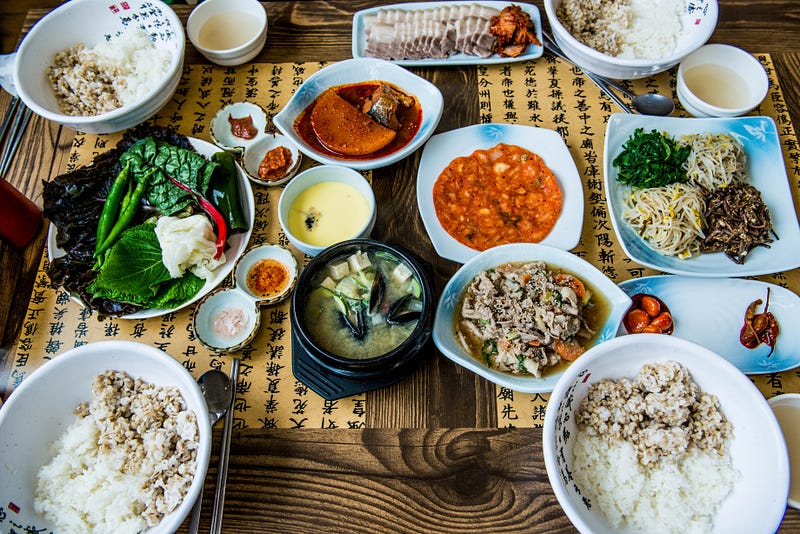
Image by jyleen21 from Pixabay

Every culture has its own intricacies regarding how to behave at the dinner table, and Korea is no exception to this. Abide by these rules, and you’ll get your own five-star review.

Don’t leave a tip. It’s considered an insult.

Don’t keep your food to yourself. Unlike Joey from friends, Koreans share food. It’s called “jeong,” which is a special love or generosity. Korean dining is an incredibly social experience and often has large dishes put in the middle of the table for everyone to scoop their own portion out of. Get used to double-dipping.

Don’t pour water for yourself. Always pour it for others first, so you don’t come across as selfish and not caring for others. And remember to start with your elders, of course.

Don’t stick your chopsticks in your rice. When I first arrived, I will admit I did this; it seemed like a perfectly convenient place to put them. But I was later pulled aside and told that this is reminiscent of incense sticks set in bowels of sand at funerals and makes people uncomfortable.

Don’t blow your nose at the dinner table. I kind of hope that you don’t do this anyway, but it’s especially looked down on in Korea.

General Don’ts
Image by 희철 권 from Pixabay

Don’t talk loudly in public. And my concept of talking loudly and Koreans is quite different. I will think I’m speaking at a low volume, but I can’t count the times I’ve been ssshhhed. I’ve even been sshhhed talking with a group of friends at a bar on a Saturday night!

Don’t show your shoulders or cleavage. These are two areas of the body that Koreans are conservative about showing in public. It’s seen as promiscuous. I got a lot of looks wearing a tank top in summer. I found this confusing because it was socially acceptable to wear a mini skirt and hot pants. I guess legs aren’t offensive, but shoulders are? I’m still a little confused about that, to be honest.

Don’t show the bottom of your shoe or foot as it’s a sign of disrespect.

Don’t wear your shoes indoors. Shoes are seen as dirty (which, to be fair, they are), and you should leave them at the door. This isn’t just for people’s homes but also restaurants, temples, schools and well everywhere. It took some getting used to wearing my professional teaching clothing with a pair of slippers in school!

Don’t write names in red ink. I learned this quickly as an English teacher. Like many teachers in the West, I love a red pen. I used them to mark papers. But writing someone’s name in red means that you want them dead! I was horrified when I found that out and instantly threw my red pens away.

Don’t give or receive anything with one hand. It’s customary to use both hands to show your respect and gratitude.

I hope you’re feeling prepared for your next trip to Korea and that these tips are helpful and make your trip even more enjoyable!

If you enjoy reading stories like these and want to support me as a writer, consider signing up to become a Medium Member. It’s $5 a month, giving you unlimited access to stories on Medium. If you sign up using my link, I’ll earn a small commission.

If you want updates when I post a new story, you can also subscribe!

If you would like more stories about South Korean culture please check out 👇

Georgina Nelson. Traveller. Writer. Photographer. Yoga teacher.

Sh*t Happens — because the things that go wrong make the funniest stories.

Sign up for our new newsletter to stay informed with up-to-date curations from our editors:👇

South Korea
East Asia
Culture
Guides And Tutorials
Society
Recommended from ReadMedium