
What No One Tells You About Asian ‘Respect’
Unpacking the intricate tapestry of reverence, expectations, and silent pressures in Asian families.

Let’s kick things off with a little riddle: What’s something so deeply ingrained in Asian culture that you’d find it everywhere from Lunar New Year celebrations to Sunday family brunches, but rarely ever talked about openly? Ding, ding, ding! If you guessed ‘respect,’ you’re spot on. We’re not just talking about the basic manners of saying “please” and “thank you.” Nah, we’re diving into the cultural chasms of bowing at elders, never talking back, and God forbid, never airing the family’s dirty laundry in public. You feel me?
You might call it ‘respect,’ but let’s be real — it’s complicated.
A Tale of Two Sides
Now, in the spirit of full disclosure, I come from an Asian American background. Born and bred. Growing up, I felt a unique tension between two worlds: The one where your life could turn into an epic melodrama if you brought dishonor to the family, and the other where self-expression and individuality were basically your birthrights.
So, here’s where it gets juicy. If you’ve grown up in an Asian household, or even spent a bit of time around one, you’ll know that the respect I’m talking about is a blend of admiration, obedience, and a dash of fear. Respect to elders is essentially the holy trinity of this unwritten Asian code of conduct. It’s like a cultural curtsy that you best not mess up. Miss a beat, and you’re caught in a whirlpool of side-eyes, silent judgments, and ahem, ‘constructive’ criticism.
The Respect ‘Checklist’
From the outside looking in, it all appears to be straightforward:
- Bowing: A small gesture, but a monumental statement about your upbringing.
- Hierarchical Language: Certain languages like Korean, Japanese, and Chinese have built-in honorifics that you’re expected to use with people older than you. It’s not just respectful; it’s mandatory.
- Deferring Decision-Making: Oh, you thought you were going to choose your college major or whom to marry? Cute.
But here’s the gag. This surface-level compliance is often just the tip of the iceberg. Behind the shiny veneer of respectful gestures, there’s an intricate dance of expectations, self-censorship, and the subtle art of reading the room — or should I say, reading the family?
Emotional Labor: The Silent Toll
You can’t talk about Asian ‘respect’ without shedding light on emotional labor. Let me paint you a scenario. Imagine you’re at a family gathering, and the topic of politics comes up. You have strong opinions about equality and social justice, but Uncle Joe starts going on a rant that borders on xenophobia. Now, if this were a friend or a colleague, you might openly disagree, maybe even drop some knowledge. But since this is Uncle Joe, a revered elder, you find yourself biting your tongue, nodding along, and dying a little inside.
That, my friends, is emotional labor — the mental gymnastics you perform to maintain the façade of respect without rocking the boat. It can be draining, like seriously soul-sucking. Especially when it clashes with your personal values or the progressive viewpoints you’ve embraced.
Lost in Translation
What gets lost in translation here is that the initial intention behind this profound respect was not to suppress voices but to maintain a sense of community and harmony. But somewhere along the line, things got twisted. Suddenly, obedience became the measuring stick for love and honor. And that’s not just problematic; it’s a one-way ticket to identity crises and generational gaps.
Identity Quicksand
First off, who else is feeling this identity quicksand that ‘respect’ can plunge you into? You know, that sinking feeling when you’re in a room with relatives but feel as if you’re from another planet? A planet where your choices, lifestyle, or even your dreams might be considered sacrilegious. It’s like the Asian culture of respect often ends up trapping us in boxes we didn’t even choose. Heck, some of us are still trying to find the courage to come out of some of those boxes.
It’s not just about giving respect; it’s about not losing yourself in the process.
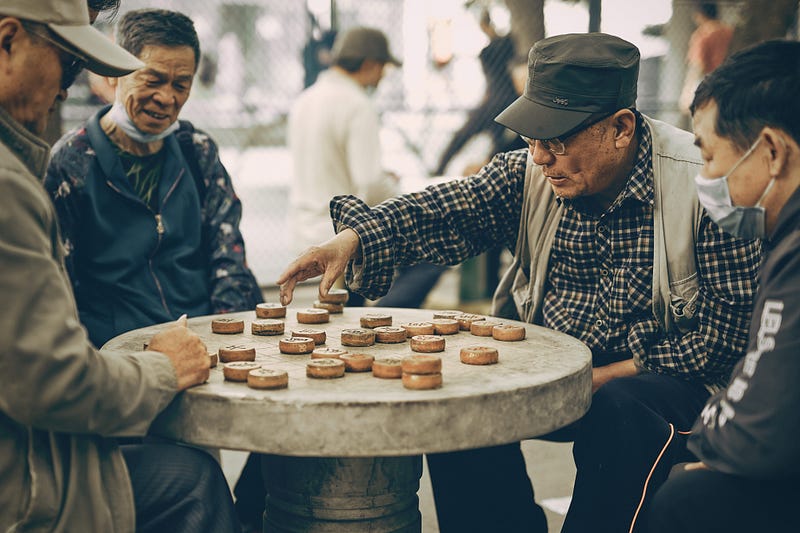
Silent Voices, Unheard Stories
A lot of folks often say, “Well, it’s just the way it is. That’s how our culture works.” But why should we be content with a cultural narrative that silences? I mean, come on, it’s the 21st century. We’ve landed rovers on Mars but still can’t openly talk about mental health or challenge traditional views in an Asian family setting? There’s something super twisted about that.
So yeah, this enforced silence has some real-life consequences:
- Mental Health: Let’s talk about the elephant in the room. Asian Americans have some of the lowest mental health utilization rates, according to various studies. Why? Stigma, baby. Stigma born out of ‘respect.’
- Lost Opportunities: How many incredibly talented artists, musicians, or LGBTQ+ voices have been stifled because their dreams were seen as ‘disrespectful’ to family expectations?
- Generational Divide: This is a big one. The cultural canyon between us and the older generation is just getting wider and wider. And let’s be real — the ‘just respect your elders’ rhetoric isn’t helping to build any bridges.
It’s Time to Remix This
Hold up. This isn’t about abandoning traditions or throwing respect out the window. Nah. This is about evolving. Every tradition, every cultural practice, has room for growth. And let’s face it, if we don’t start this conversation now, who will?
So, how do we go about it?
- Open Dialogue: Let’s be brave enough to start conversations with our families about what respect means to each of us. Trust me, it’s going to be uncomfortable as hell, but necessary.
- Individuality vs. Community: Can we find a balance? Is it possible to respect elders and still respect ourselves?
- Mental Check-ins: Remember that emotional labor we talked about earlier? Keep tabs on it. If you’re sacrificing too much of your well-being, it might be time for some boundaries.
Wrapping Up
Listen, I know this is a loaded topic. We’ve scratched the surface of a cultural phenomenon that’s been years in the making. But if we don’t scrutinize, question, and try to understand the nuances of what we term as ‘respect,’ we’ll just keep perpetuating a cycle that leaves no room for individuality, expression, or even basic human dignity.
So there it is — my two cents on the labyrinthine construct of Asian ‘respect.’ It’s high time we rethink, reframe, and perhaps even reimagine what respect can look like for each one of us.
If this resonates with you or if you’ve got some gems to drop, feel free to share your thoughts in the comments below. I’m all ears, and trust me, your perspective could be the revelation someone else needs.