
What Next After the Great Resignation?
How To Live and Thrive After a Dramatic Drop in Income
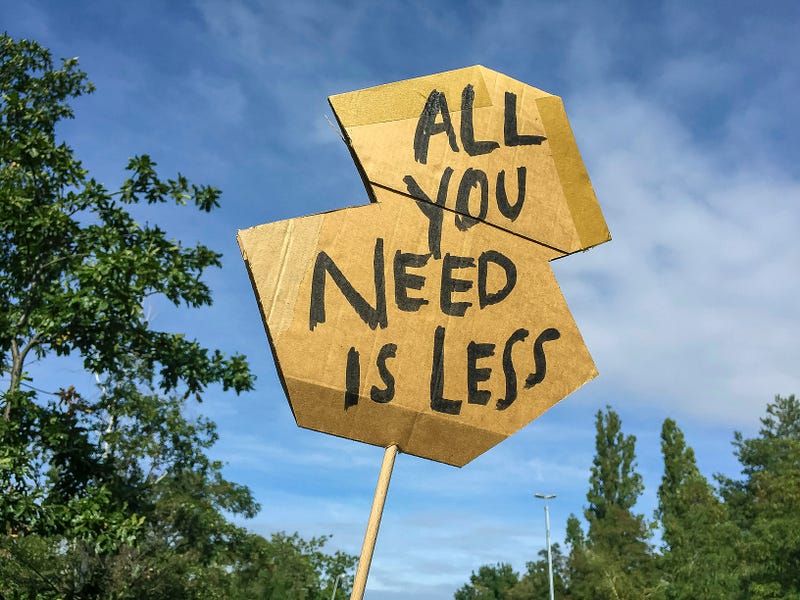
The Great Resignation has seen many people change direction, walk out of jobs to chase their dreams. Some folks are now self-employed, others have gone on very long walking pilgrimages and others have simply needed to detox from the working practices they have been enduring for years. In some senses, the Great Resignation could be re-framed as the Great Reawakening. The sense of empowerment that comes from actively leaving a job is wonderfully freeing and many folks now jobless seem to be awake to the breadth of opportunities ahead of them. But the realities of paying the bills and needing to change years of lifestyle habits, such as eating out, when you have much less or no money coming in can generate its own anxiety and be tough to tolerate and still thrive. There have been two, self-imposed, periods in my working life in the past decade when our household income has dropped by about 50% overnight. Both have been associated with significant life choices and changes of work direction, moving from secure jobs to starting something new. The first period was when we founded Dementia Adventure back in 2009 and the second was relocating to North East Scotland in 2019, just ahead of the worldwide Covid closures. This is what I have learnt from these periods and you can try too if you are looking to thrive on less.
My takeaways on still thriving after a loss of income
All of the following things I have successfully introduced into my life following a significant drop in income and are aimed at supporting you to live on less, still thrive and stay well. As with all situations in life, be sensible and research the best options for you, but these ideas may well get you thinking about how you can find a positive way forward.
- Back-up: Identify who or what is your back-up. Knowing that someone or something is your backup is often enough to get through your difficult times. The military and emergency services have this mentality, in that you wouldn’t put yourself in harm’s way without first knowing you have someone to cover your back. Identify someone in your life and ask them — will you be my backup? Also, consider if you could be someone else’s backup.
- No food: Well not completely of course, but there is some great evidence associated with the benefits of intermittent fasting. Eating less can result in significant savings. Not eating out at restaurants and not having takeaways can be hard to do for some but is one of the quickest ways to save money. Intermittent fasting can be done in different ways but it is always wise to check with a medical professional first before embarking on a fasting programme as there are some folks for whom fasting is not recommended, such as pregnant women.
- Grow food: We have grown our own food for fifteen years now and as well as the physical nourishment it is a meditative mindful activity that connects you to the soil and the planet. You don’t need land to start growing your own. You can begin with basil on a window sill, tomato plants in pots and garlic in a larger tub or a tiny patch of land. You can grow potatoes from seed to plate in about 10 weeks (lettuce in much less) and only need a bucket or container and the seed potatoes. Try cutting the ‘eyes’ out of your existing potatoes and planting these if you can’t source seed potatoes. Growing and eating your food can provide you with great taste, great nutrition whilst also giving you a green workout, saving you money and can be highly effective at alleviating low mood. The University of Essex, where I carried out research as a Visiting Fellow, has been leading the way in evidence associated with the benefits of green exercise, such as gardening, and has a wealth of resources for the interested reader.
- Slow food: Fast food deliveries are the fastest way to run out of money and in excess can contribute to physical and mental ill-health, further worsening our peak stress situations. Grow to love oats for breakfast, baked potatoes for lunch and rice and beans or lentils for dinner. These are cheap staples that have sustained thousands of people for generations. One of my go-to cheap, tasty nutritious meals is a Turkish soup called Mercimek Corbasi or lentil soup. Take your time to eat it too, savour each mouthful, putting your cutlery down — making your smaller meal last longer is another trick for eating less and costing you less. Another is using a smaller plate but filling the plate can help to make you feel you have had a substantial meal.
- Save to buy: If I wanted to have something when I was younger my granddad would say, “Put away the money for it each week for six months, and if you still want it after six months, then you can buy it” Often, after months of saving and waiting, the thing I had thought I wanted, I no longer wanted by that point. Deferring buying those ‘must-haves’ can be another cost reducer. Identify if you really need or want that new thing in your life or whether it can wait.
- Monthly direct debits: Take a close look at all the regular monthly payments going out of your account and ruthlessly cancel everything except those critical to sustaining your situation. If you are locked in on a contract or have some other tie-in then speak to the provider about a payment holiday and temporarily suspend the payments. If you want or need to be more drastic cancel TV subscriptions, sell the TV and go back to the radio and books, it sounds harsh but you might find you have more productive free time.
- Moments in nature: Nature is on our doorstep, is free, is ever-changing from one day to the next and can teach us a great deal about frugality, change and happiness. Find some food scraps for the birds, take a seat under a tree and listen to the sounds. Find some moments in nature every day and see how this can bring joy to your situation. Try keeping a nature diary or nature notes.
- Keep a gratitude journal: Write down three things each day that you are thankful for. Such a simple thing to help you identify the positives relative to your situation.
- Be ready to grab opportunities: Take time to update your CV, make a phone call to someone in your industry or the work sector you would like to work in, or to someone you know and admire who is already doing what you would like more of in your life. So if you want to write more, reach out to folks in the writing community. Take a free online course, get yourself ready to grab the new work or income opportunity when it comes along because it will!
- Start an investment habit: One of the problems this crisis has brought to light is the fact that so few people have any significant savings for emergencies. It sounds counter-intuitive when you are struggling for money, but try starting with saving pennies, cents, pounds or dollars in a jar or rounding up payments online and directing these to a savings account. Cultivate a habit of saving and investing for when you do have more income again. Then when the next crisis happens, you’ll be better prepared. You could also lock away any savings in less liquid assets like Premium bonds which in the UK can be seen as a safe way of gambling without losing your money. You can also choose to re-invest any winnings from Premium bonds into purchasing more bonds because not having the cash in the bank removes the temptation to spend it. There are many investment products on the market now which are accessible and have very low entry points for new investors starting at as little as £1. Compound interest is your friend so do try and leave the amount untouched until you have to access it.
The list can go on and if you have lost a significant proportion of income recently making the change to living on less whilst still thriving can be very challenging but you can and will find a way that works for you. Engage with the finances, engage with the support offers available and pay attention to the things which bring you joy — and are free! If you are have left your job and are looking to set up a new business in 2022 then my recent story, which has become my most viewed, is for you: Ten New Business Ideas for 2022.
Neil Mapes Bio
Marathon runner, sea swimmer and aspiring dinghy sailor. Social entrepreneur & founder of Dementia Adventure, currently leading Green Hive in Nairn, Scotland.
Find and Follow Neil @neilmapes
View his previous and current work projects on his LinkedIn profile
Subscribe to Neil’s Nairn Adventures on Substack
Watch and share his TedX Talk called Thinking Differently about Dementia
Read his peer-reviewed research articles on his Grow Kudos Profile
More writing from Neil
Read his most-viewed story on Medium
Read three of his most-viewed stories on Medium
Subscribe to receive his next article by email and become a Medium member by clicking the links below:
https://neilmapes.medium.com/subscribe
https://neilmapes.medium.com/membership
Copyright © 2021 Neil Mapes. All Rights Reserved.