
What Neuroscience Tells Us About Studying Structure
Education and neuroscience are two of the most linked disciplines there are. A deep understanding of the inner workings of our brain is key to unlocking the potential of our cognition and improving the benefits we receive from the hard work we put in.
First, what is important to understand is what learning physiologically is. A memory is stored by a certain pattern of ‘switching on’ specific neurons. It is then strengthened by depositing myelin around the involved neurons which acts like insulation on a wire and prevents the impulses in the neuron ‘leaking out.’
What the purpose of structuring one’s study is is to maximise the efficiency of this process so it can happen at a faster rate (and thus require less ‘learning time’).

One simple technique that is easy to understand is ‘warming up.’ It is never a good idea to jump straight into learning new things. Warming up assists retention because the brain can get into the process of activating and myelinating the correct neurons if ones linked to the learning are already in use. Taking 10–15 minutes before sitting down to study watching a video or doing a quick multiple choice test on a linked topic can help the brain to more easily store new information.
This technique also develops the stimulus range. The more stimuli that are available for the memory stored, the more likely you are to remember it. Warming the brain up allows for the linking of similar memories and thus a better ability to acquire one via another.
Another way to increase the amount of stimuli available is to provide more whilst learning. Having a specific type of music, lighting, smell or taste whilst learning linked memories can allow for said linkages to be better stored in the brain. This is because the activation of the sensory neurons can act as stimuli for memories and help with the organisation in the brain.
This keeps the linkages between memories stronger (more myelinated) and increases the number of pathways to get to them meaning that the memory is more accessible.
These techniques allow for a good foundation to build up study structure from, making retention and accessibility of information more efficient.
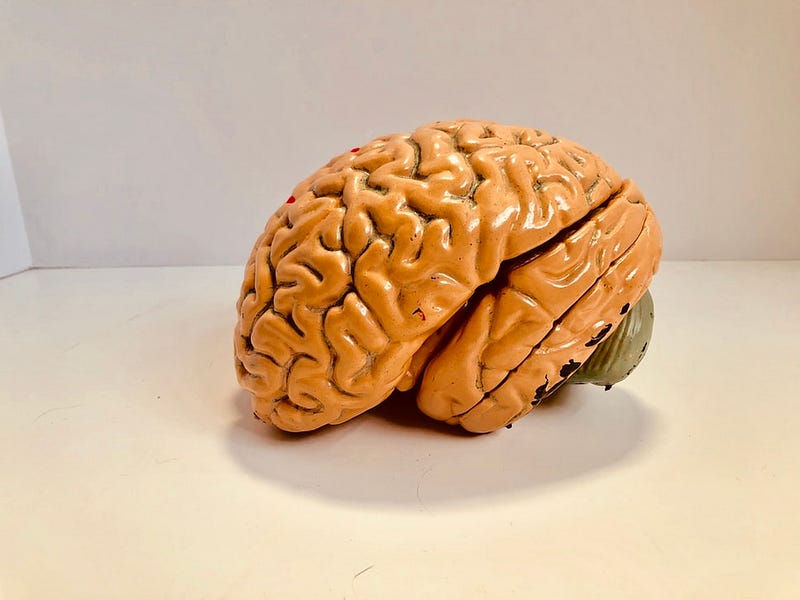
One topic that is always debated is the timescales of learning and the real answer is that there is no definitive one-size-fits-all model. Different people have different brain formations and will therefore respond better to different structures. Different types of information can also change the ideal structure depending on their demands. The only way to decide for oneself is to understand how the different lengths of time interact with the brain itself.
Think of the brain like the body, it too can ‘fatigue.’ The release of chemicals needed to activate the brain (like glutamate, acetylcholine, dopamine and so on) cause increases in what is known as cortical arousal, in simple how switched on the brain is. Past a certain point, one’s arousal can get so large that the brain ‘overworks.’ At this point stress starts to seep in and the efficiency of learning goes down. This is why people’s hands can begin to shake under stress as the excess presence of excitory chemicals — like the ones mentioned — can cause a lack of fine motor control in the muscles.
The structure of study is mainly to maintain this arousal at it’s optimum level. The main principle is that the shorter the length of learning and the longer the length of break, the lower the arousal is able to be kept. People who have a lower level of stress and anxiousness are often able to study for longer as the formation of their brain doesn’t allow for arousal to rise as high and thus less breaks are required.
Learning type is also key for deciding on structure. Learning can have intensity, like exercise, with certain types requiring more arousal than others. The types requiring more arousal often cause arousal to ‘boil over’ and thus require shorter lengths of learning and longer break. The intensity of learning could be described as the amount of attentional capacity it takes up; difficult mathematical problems may take up more than a long essay, for example.
Using the understanding of this one should structure learning to fit themselves and the information that they are trying to do and doing this will help to increase the efficiency of their study ergo learning more for less.


