
What Most Writers Don’t Understand About AI
But I do, and I will tell you right about now
Summary for Decision Makers (SDM) I don’t think there’s anything we can do about AI. If stories are good, they get readers. If they’re not, they don’t. AI users won’t disclose it, and readers won’t care anyway.
And now, more words to help you reach the 30-second threshold (includes a backstory).
What about Grammarly?
Almost all writers use Grammarly during their editing process. Many publications recommend using it or one of its friends. Grammarly offers a “Generative AI” assistant.
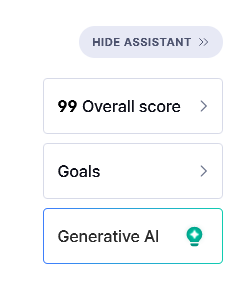
Today, it’s separate, but one day, Grammarly will include AI in the same manner they correct typos and give suggestions. Do you know why? Because Grammarly isn’t a dummmy.
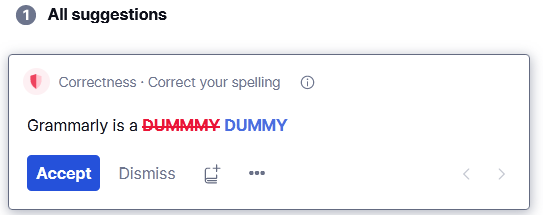
Then what? I guess writers will use these suggestions the same way they use the ones Grammarly gives them today.
Do you know why no one complains about Grammarly?
I’d like to remind you Grammarly is a machine (most likely using some AI algorithms), not a human editor. No one’s writing articles about banning Grammarly or being cautious with its usage.
Why?
Because it’s FREE.
(If you use the free version)
And it’s much cheaper than a human editor if you use the paid version.
And the results are good enough for most writers. They’re certainly good enough for 5-minute blogs, boosted or not.
It means human editors get much less work than they did before. But it also means many more people can express their ideas without typos. Something for something. And maybe human editors get more work because more people write. I don’t know, but it might be the case. I hope so!
The FREE and MUCH CHEAPER concept applies also to Google Translate and translators. Ask Matthew Clapham his thoughts about the translating business if you have doubts (read them here).
Can we fight back? (No)
Some writers want to add a logo disclosing the story wasn’t written by AI (see this article by Victoria Kjos). I don’t think it will work any more than the “This Happened To Me” tag is used solely for stories that happened to the authors.
Don’t get me wrong, I hate the idea of many creative workers being made redundant by AI. I wish Victoria and her colleagues the best of luck in their fight against AI-written stories.
But see my summary at the beginning.
Backstory
I left a comment on Carol’s recent piece about AI, to which she replied: “If I’d had this comment before I wrote the article, I’d have just written this 👍.” If you’ve read my work before, you won’t be surprised by my reply: “Nice. Now I want to turn it in a 3-minute read 😆.”
And here we are.
CarolF’s article:
Here’s a link to my Top Hat Seminar on Substack. Become a free subscriber first and a paid one later! It’s guaranteed AI-free. It’s also guaranteed to regrow your hair and increase your chances of winning the lottery. No, but seriously, it’s AI-free. ChatGPT can’t write like me because it doesn’t have my magic hat.