avatarKaki Okumura

Free AI web copilot to create summaries, insights and extended knowledge, download it at here

1397

Abstract

cal features, like a six pack or toned legs, or by meeting certain endurance milestones, like running a 7-minute mile. Sometimes we are told to measure it by fitting into a certain size pants, other times we are told to track our waist size to determine if we are healthy enough.</p><figure id="bfe1"><img src="https://cdn-images-1.readmedium.com/v2/resize:fit:800/1*YPLnw1Kzwfr0Fsf3HKIkHw.png"><figcaption></figcaption></figure><p id="98f0">It’s one of the most common mistakes to being healthy that I hear, and it’s foundational:</p><p id="b5d7" type="7">“If you’re XYZ weight/size/fitness level, then you’re healthy.”</p><p id="58fe">Many people attribute the idea of being healthy to numbers and metrics like weight, clothing size, the number of miles they can run, or the amount of weight they squat. But when we really think about it, it doesn’t make sense for all of us to measure it in the same way.</p><p id="a345">Because how could your sibling/parent/grandparent/neighbor/child possibly be measuring their health in the same way as you?</p><figure id="8713"><img src="https://cdn-images-1.readmedium.com/v2/resize:fit:800/1*nTNhbhvYdOgsIKpOToIMDQ.png"><figcaption></figcaption></figure><p id="912d">What most people miss when embarking on their health journey is recognizing that there is a need to define what healthy looks like for themselves, by themselves. Because the way we measur

Options

e being healthy on a societal level just doesn’t make sense. Instead of taking the numbers at face value, we need to dig deeper and understand for ourselves the larger picture.</p><blockquote id="97fa"><p>What would being healthy feel like to you?</p></blockquote><blockquote id="2e2a"><p>How would you live differently?</p></blockquote><blockquote id="ff24"><p>How would you spend your time?</p></blockquote><blockquote id="0966"><p>What would you be able to do?</p></blockquote><p id="a9ff">Answer these questions and build your foundation first. I guarantee that your end goal is not a single pants size, but something much greater. Once we can see that, we’re already on a much better path.</p><figure id="1aea"><img src="https://cdn-images-1.readmedium.com/v2/resize:fit:800/1*cCE-3zoD9xQFxubBOHanLw.png"><figcaption></figcaption></figure><h1 id="a2d3">Learn to be healthier, inspired by life in Japan:</h1><p id="ac25">I teach about health inspired by simple Japanese philosophies and lifestyle practices, so you can learn to find peace, fulfillment, strength, and health in your own body. Stay in the loop and get access to free resources: <a href="https://expert-composer-5026.ck.page/82d0c904ef"><b>Sign up here</b></a>!</p><figure id="88ce"><img src="https://cdn-images-1.readmedium.com/v2/resize:fit:800/1*S4-2qgADpUtXdx_asjFkUw.jpeg"><figcaption></figcaption></figure></article></body>

What Most People Miss When Trying to Become Healthier

If you want to find a lifestyle of freedom, and not restriction
Illustrations by Kaki Okumura

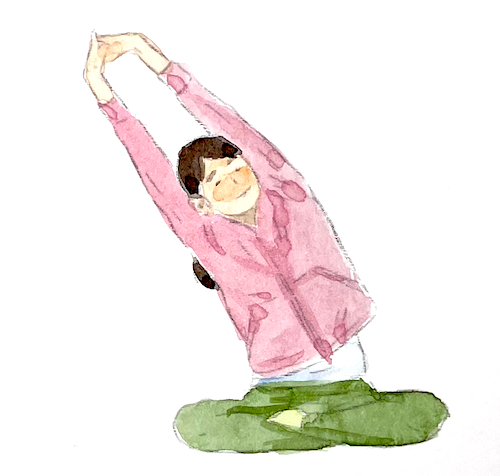
When you type in ‘healthy’ in Google, do you know what definition comes up? It is quite literally defined as, ‘in good health’.

It’s a seemingly simple concept– to be “healthy” — but the truth is that many of us haven’t spent that much time thinking about what this means, and upon closer examination, many of us aren’t really sure how to measure being healthy.
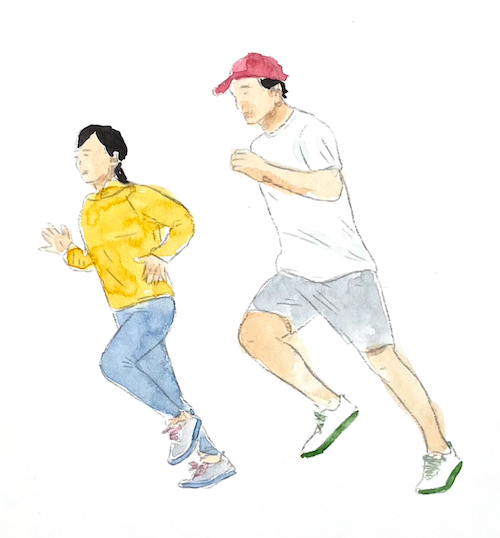
At the most basic level, many of us have been taught growing up that ‘healthy’ is about having a BMI within a certain range. If your ratio of body mass to height is within that range, your doctor may have told you that you are healthy.

Other times we are encouraged to measure being healthy by attaining certain physical features, like a six pack or toned legs, or by meeting certain endurance milestones, like running a 7-minute mile. Sometimes we are told to measure it by fitting into a certain size pants, other times we are told to track our waist size to determine if we are healthy enough.
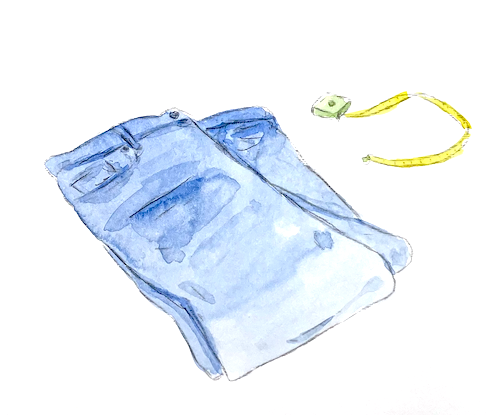
It’s one of the most common mistakes to being healthy that I hear, and it’s foundational:

“If you’re XYZ weight/size/fitness level, then you’re healthy.”

Many people attribute the idea of being healthy to numbers and metrics like weight, clothing size, the number of miles they can run, or the amount of weight they squat. But when we really think about it, it doesn’t make sense for all of us to measure it in the same way.

Because how could your sibling/parent/grandparent/neighbor/child possibly be measuring their health in the same way as you?
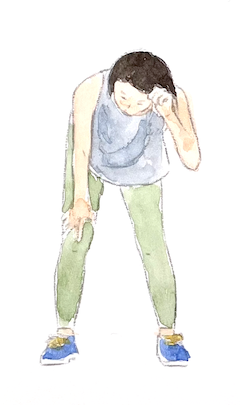
What most people miss when embarking on their health journey is recognizing that there is a need to define what healthy looks like for themselves, by themselves. Because the way we measure being healthy on a societal level just doesn’t make sense. Instead of taking the numbers at face value, we need to dig deeper and understand for ourselves the larger picture.

What would being healthy feel like to you?

How would you live differently?

How would you spend your time?

What would you be able to do?

Answer these questions and build your foundation first. I guarantee that your end goal is not a single pants size, but something much greater. Once we can see that, we’re already on a much better path.
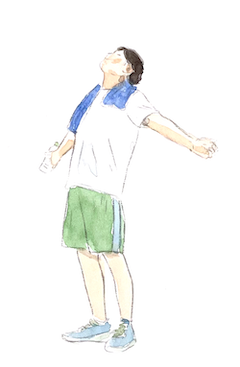
Learn to be healthier, inspired by life in Japan:

I teach about health inspired by simple Japanese philosophies and lifestyle practices, so you can learn to find peace, fulfillment, strength, and health in your own body. Stay in the loop and get access to free resources: Sign up here!

Health
Fitness
Self Improvement
Wellness
Lifestyle
Recommended from ReadMedium