
Morocco’s Magic — Wisdom From An Ancient Civilisation
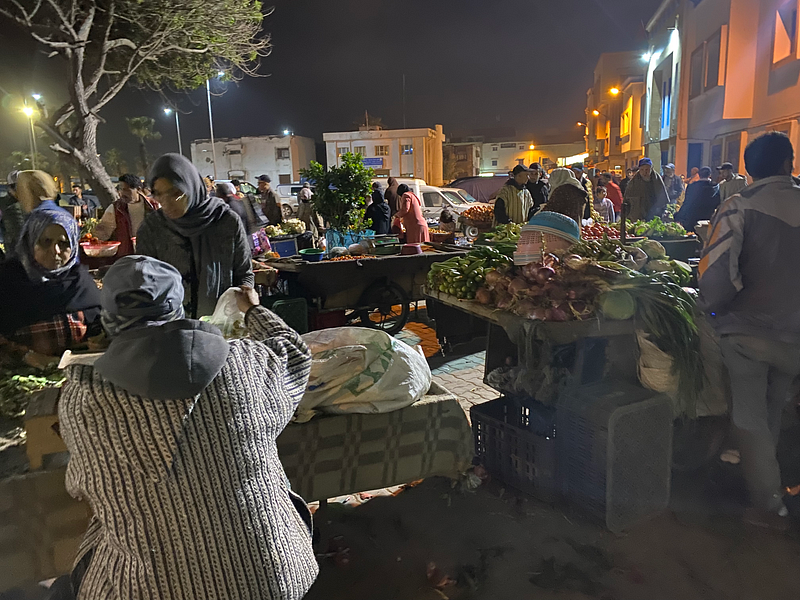
Morocco is a country full of surprises. I went there to get some sun but came back with some surprising insights that have changed my stance on many aspects of life. I believe that people from all over the world can learn a lot from Moroccan society. This is what I learned from 7 weeks spent on the Moroccan coast.
Religion
I was born in Hamadan, Iran to a practicing Muslim family. Over the years, I became well acquainted with the religion and how it interacts with Iranian public life. Moving to the UK exposed me to a different culture and made me question whether I could enjoy my life in a Muslim country. There are certain personal freedoms that we take for granted living in Europe.
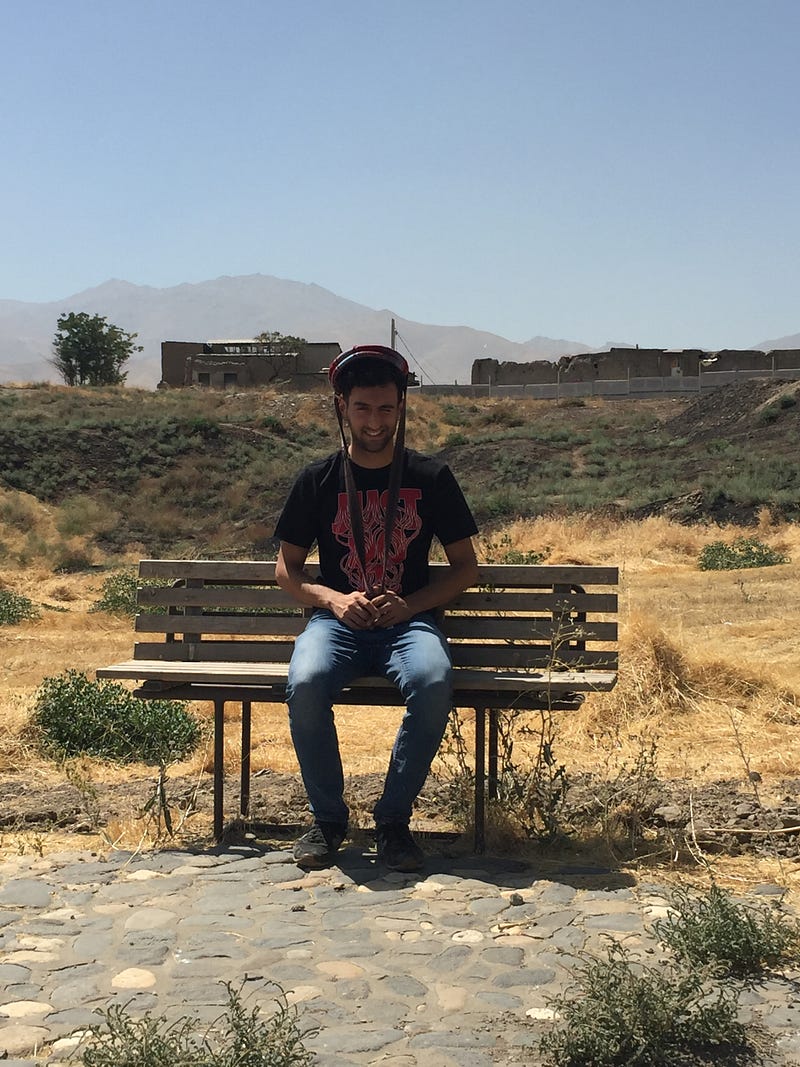
Here are some things I noticed about Iran which is different from the UK. Men and women don’t interact much in Iranian society. People aren’t allowed to have pre-marital relationships and all schools are separated by gender. Women must wear headscarves, mixed-gendered socialising is discouraged and alcohol is strictly illegal. Hosting a party that includes men and women is outlawed. These laws made me wonder whether Islam is compatible with other cultures and whether I could ever live in a Muslim country.
Bear in mind that these restrictions are not arbitrary, they are the result of a society that wants to restrict sexual temptation
When I got to Morocco, I was pleasantly surprised to find a Muslim country that doesn’t try to force its religion on everyone. A young Moroccan man I met said something that stuck with me
“A person’s religion is between them and god, I have no right to tell someone else how to act and how to relate to god”
Morocco is a country where 99% of the population follows Islam. However, no one is obliged to wear a headscarf and alcohol can be bought at a limited number of shops and bars.
What was even more interesting to me was that young people were actually engaged in religion. The opposite is true in Iran, where many young people have been alienated and no longer associate with religion at all. Young people I met in Morocco followed Islam in their own way. I met a woman who enjoyed a glass of wine from time to time but still fasts every day of the month in Ramadan. It’s important to note that Morocco still has some restrictions like not allowing unmarried couples to stay in a hotel room together. I found this out through personal experience but also discovered that some hotels don’t enforce this rule.
I used to believe that organised religions were vehicles of pain that add nothing useful to the world. 7 weeks in Morocco was enough to change my mind and make me consider my relationship with Islam once more. Their flexible implementation of Islam makes life easy for everyone and it is something I’m envious of as an Iranian.
Why Haggling Culture Is Great For Society
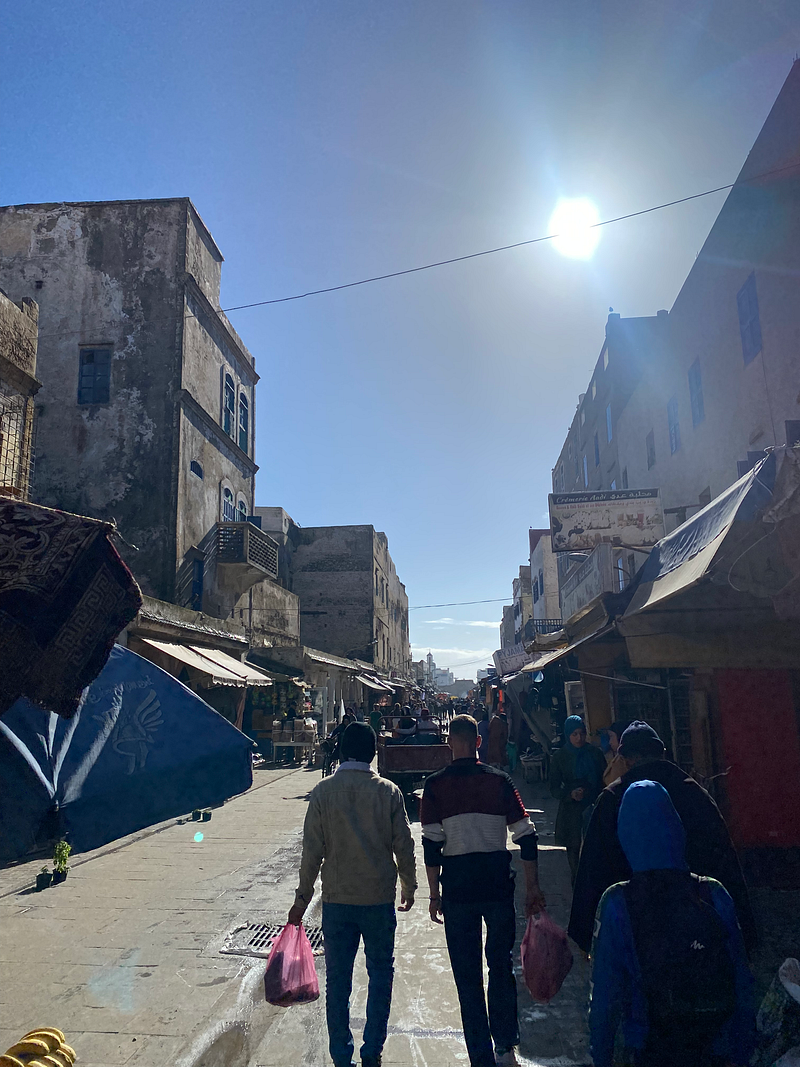
You’ve heard the stories haven’t you? Shopkeepers in Morocco will try to charge you extra just because you’re a tourist who doesn’t know any better.
I spoke with many visitors who were offended when they learned that they had just been scammed by someone. They’re not used to it and the element of surprise makes them feel extra salty. Some of them go as far as criticising Moroccan culture and having a negative image of Moroccan people. These people are in a position of privilege and they lack awareness of the situation. They’re coming to a country where they earn 30 times more than the average person. The €10 extra that they paid for the traditional jacket is less than an hour’s work for them but the equivalent of a day’s wages for people in Morocco. Put yourself in their shoes, you live in a place where money is hard to come by and you come across someone who is 1000x wealthier than you. Can you honestly say that you wouldn’t try to get some extra money from this person? If you answer no, then I invite you to go live somewhere on €200/month and then report back to me.
There are other people from Northern Europe who don’t get offended but they complain about having to haggle and how much energy it demands. While this is more understandable, I still believe that having to haggle is a better system than not doing so. I have two reasons for this.
1. It means that the items in the shop are sold on a means-tested basis.
You might be wondering how I got to this conclusion. Well, the shop has to make a small profit to survive. It means every item needs to have a price markup. It can do this by setting a fixed price that it labels on the product. Or it can haggle with customers, charging more to some customers while giving discounts to those customers who haggle more.
2. This opens the door to a conversation
I believe this is a valuable opportunity for the shopkeeper and the customer. It makes the job of the shopkeeper less isolating and can open the door to connections in the community.
I got scammed a few times in the beginning but I soon got a handle on the haggling. I realised my main weakness was being afraid to offer a price that was much lower than the one the shopkeeper initially suggested. I felt bad upsetting them but realised that this was giving the shopkeeper an advantage, they didn’t feel bad giving me an inflated initial price so I shouldn’t feel bad countering them with a lowball offer. Their upset reactions at low offers are how they try to pressure you into offering more, it’s a mind game to which I take my hat off. It was actually really valuable for me to learn this lesson as I can apply it to other parts of my life. I’m a much smoother negotiator after my time in Morocco.
Alcohol
Alcohol is far less available in Morocco than it is in most parts of the world. It can still be found but they have a very different policy to Europe. It’s not advertised, supermarkets keep the alcohol in a separate discrete section and bars are not littered everywhere. I went for a drink a couple of times during my stay in Morocco but I found myself drinking far less frequently than I do in Europe. My relationship to alcohol was much healthier. I could enjoy a drink when I really wanted one and I never felt like I was drinking too much. Staying under the recommended unit allowance was effortless.
Europe can learn a lot from Morocco regarding alcohol policy. I don’t think alcohol should be advertised around the city.
I know that many libertarians are going to shout me down and tell me that this will infringe on their freedom. These people are extremists who don’t consider the practicalities of the real world. I actually believe all drugs should be legal but regulated. By regulation, I mean restrictions on how it can be advertised, how easily accessible it is and educating people about the harms.
Tobacco advertising in the UK has rightly been restricted with cigarette companies forced to comply with grey packaging rules to avoid catching the eye of children. Sadly, the Alcohol lobby seems to have won the battle against regulation in Europe. In the UK, there is a pub around every corner, alcohol ads on the tube, the telly, sporting events and anywhere else you can think of. We should push for stronger regulation on alcohol advertising. I think it would be an interesting experiment and the effects might surprise you. I loved being in Morocco where social events didn’t revolve around alcohol, it was refreshing and forces you to be more creative with how you organise social events.
Stray Animals
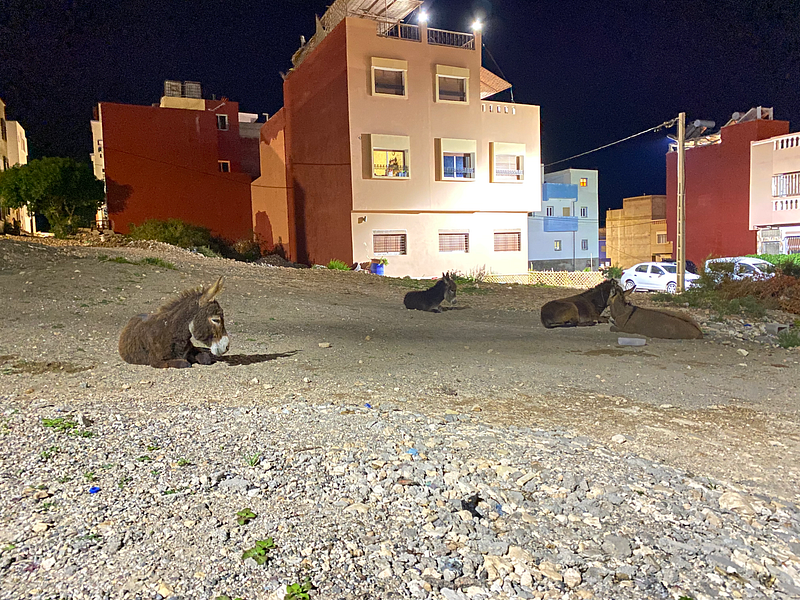
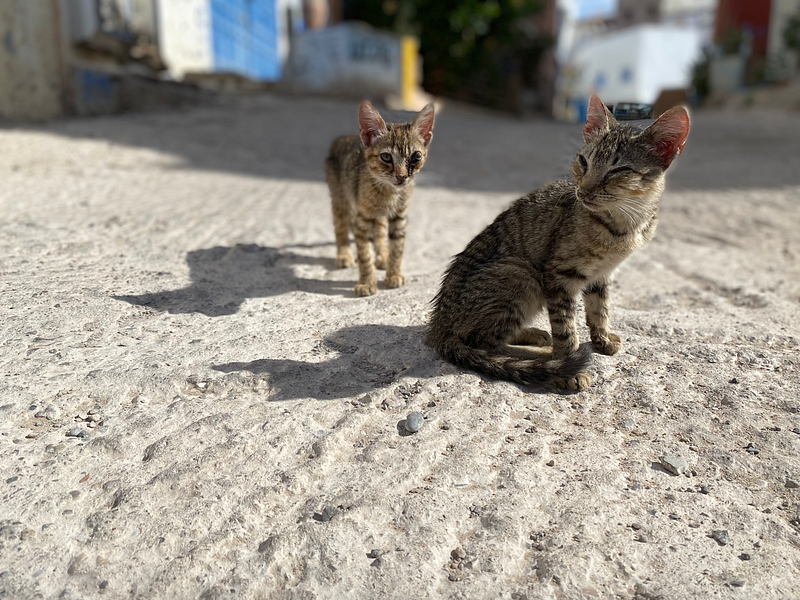
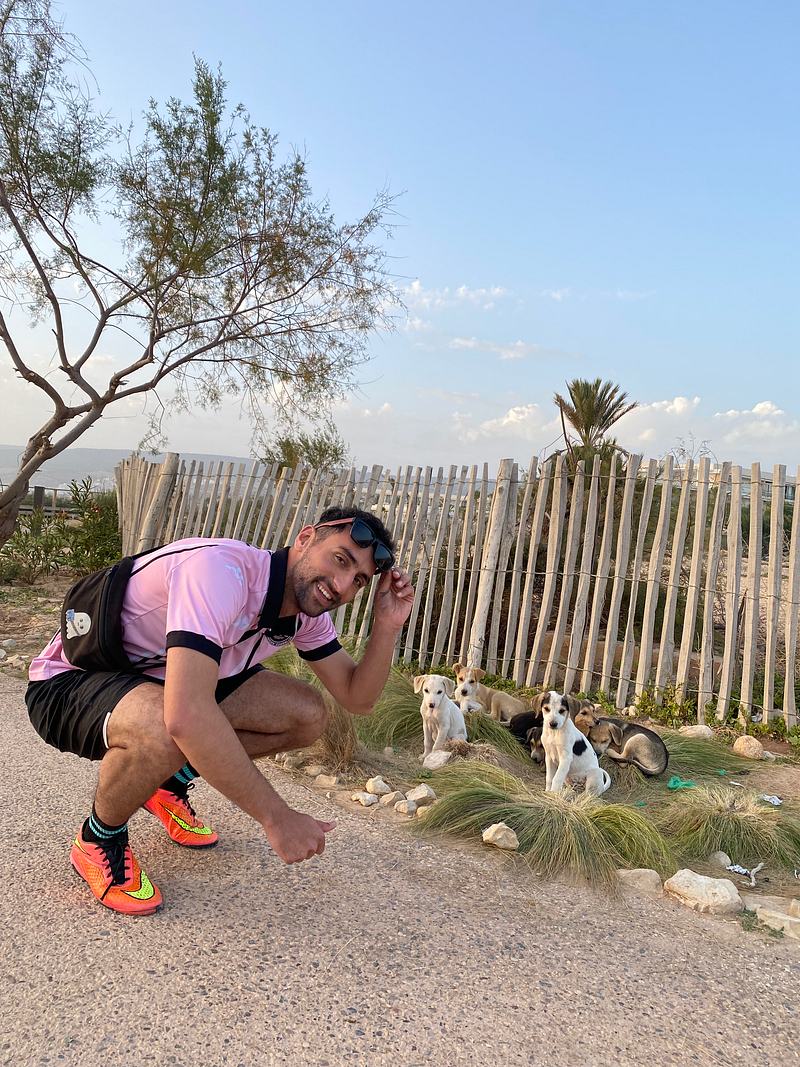
Morocco has stray animals everywhere. From donkeys to dogs and cats to goats. They’re friendly, well-behaved and a pleasure to have around the city. My lunchtime activity in Essaouira often consisted of finding cats to play with. We see stray animals as a bad thing in the UK but seeing and interacting with the animals in Morocco made me question this. What are your thoughts on stray animals?
Happiness
Happiness is a concept that gets discussed a lot. Social scientists love doing surveys to compare happiness across countries, incomes and education levels.
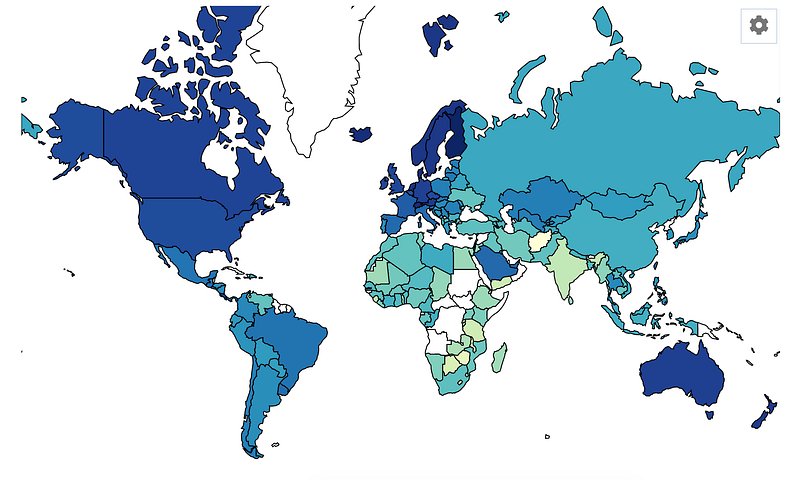
You’ve probably come across these surveys before, they ask people “how satisfied are you with your life these days on a scale of 1–10?”.
Scandinavia tops the charts every year (although the rates of anti-depressant use seem to contradict these surveys). Morocco was ranked in the bottom 30% of this happiness survey. I wouldn’t have guessed it after my winter trip to Morocco. I actually think that the opposite was true, that Moroccans were happier than the miserable people you come across in many parts of Europe.
It’s difficult to make sense of this. I’m sure that the sunny weather makes people friendlier. There also seemed to be a greater sense of community. People are more dependent on each other due to a lack of government services and therefore they must maintain relationships. I think the prevalence of religion also helps with the feelings of community and has a positive impact on their society. It doesn’t come from a place of ignorance either, the people I met were aware that Morocco is one of the poorest countries in the world, that they were locked out of travel opportunities because of their passport. Despite all this knowledge, they still had a sense of contentment that I yearned for.
It made me question my own state of mind and I wondered if they knew something about the essence of life that I didn’t.
Most people assume that there is little you can learn from people who come from such a different backgrounds. After my time in Morocco, I actually think the opposite is true, that you can learn most from people who are completely different to you. This has led me to one of my golden rules of travelling:
Seek out people who are different to you, even if it’s uncomfortable. You’ll stumble across knowledge that our divided world does not want you to reach.


