
What Makes a Social Movement Successful
The importance of learning from past movements, their failures, and their success
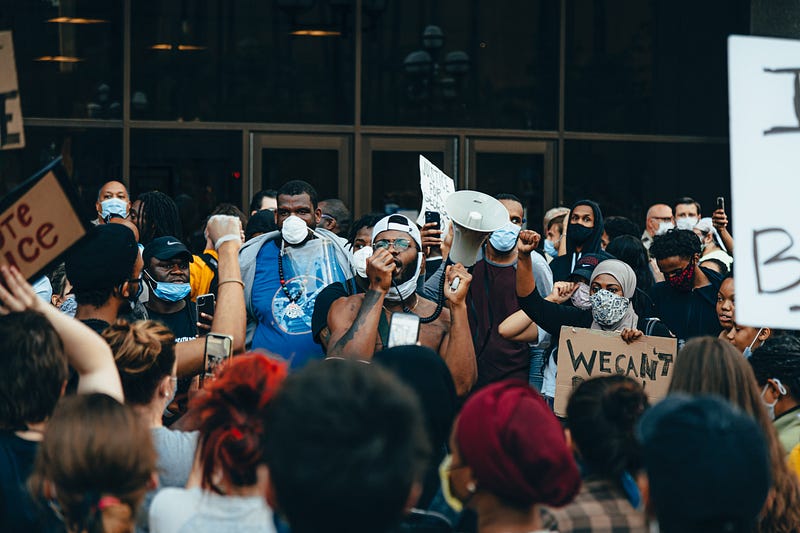
A social movement is a loosely organized effort by a large group of people to achieve a particular goal, typically a social or political one. This may be to carry out, resist, or undo a social change. It is a type of group action and may involve individuals, organizations, or both.
Through all of history, social movements have made big transformations in society. When leadership isn’t good enough and the system is failing, people are the only ones who can try to fix it. Because when power is used, it becomes a dreadful state of mind that through clouding your mind and convictions, can ultimately lead to making bad decisions. Power can corrupt anyone’s mind.
There have been some successful social movements such as Women’s suffrage, but most of them have still a lot of room for improvement and, although they’ve acquired a large amount of importance and success, they either lack a fairly amount of terms and conditions or they haven’t become what the original protests aimed for.
Every movement has different reasoning behind it and it’s led by different people, but they all have one thing in common: they’re searching for change. It appears when there’s an unbearable situation that not even the most powerful ones dare to turn around.
It comes from survival and necessity; because that’s what moves people.
The importance of protesting
A protest (also called a demonstration, demonstration, or remonstrance) is a public expression of objection, disapproval, or dissent towards an idea or action, typically a political one. Protests can take many different forms, from individual statements to mass demonstrations.
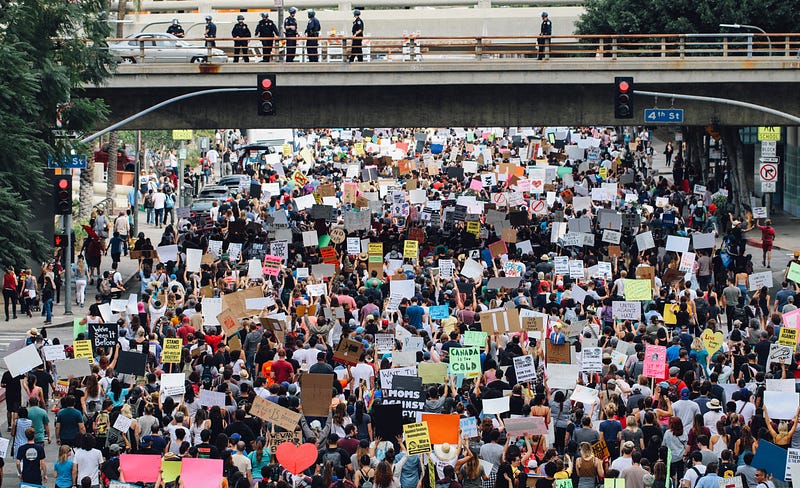
Protesting is the basis of a social movement. It’s how the population makes their disapproval heard, through various forms of protest, but each one as useful as the others. They are essential for showcasing what the complaint is about, how it should be faced, and the actual importance of change. Although protests are needed for creating a successful social movement, they’re just a first step towards triumphing.
If a structural and social change needs to be made there will be, in one way or the other, and abolishment of power.
So, apart from protesting, what makes a social movement successful? Here are some lessons that we can learn as a society from past movements, successful or not:
1. Collaborative change
When there’s a social movement, it’s usually to complain about an issue that affects more than a small group of people. Given this and to make it work, actions have to be collaborative. When people in a community are minded upon a protest or changing something which is above them, they’ll be more engaged to share it with other people to support their cause.
Because two is always better than one.
2. Making clear purposes
When trying to achieve some kind of change, your purpose and objectives have to be stated from the start. If they’re not, it could lead up to future confusion and possible mistakes that could be made. Especially if it’s a movement that involves a large number of people from around the world, it’s difficult for everyone to stay in contact at the same time when protesting and fighting for change.
3. Leadership
Collaborative leadership is the key. As we’ve seen through all of history, individual power has been able to corrupt a lot of politics and leaders. Sharing thoughts and purposes that fit the community in its entirety will lead to a shared movement without any divisions or differences of opinion.
4. Vigorous advocacy
To forward the cause and make people notice its’ importance, it’s indispensable to have an advocate — people who publicly support your cause and spread the news of what’s going on in protests, etc. Advocacy is also commonly used to persuade and encourage society to join that movement because having more support means major rates of success, especially if it’s something that affects everyone.
5. Social justice
Involving social justice into a cause attracts it to communities and people a lot more. That’s because when talking about equality, we’re all in. It’s a matter that affects everyone and it’s hard to pass on it. Focusing a matter or social movement on inequality between a group of people draws the attention of those who care and requires society to join the cause, help it evolve, and complain to the ones in power.
Final takes
Learning from the past.
That’s what is gonna teach us what lessons we should be taking in and the ones we shouldn’t be even thinking about.
Talk about what matters,
Spread the word,
And keep a united and strong community.