
What Life Was Like on a Slave Ship
An estimated 15 to 25 percent of slaves died on the voyage to the Americas.
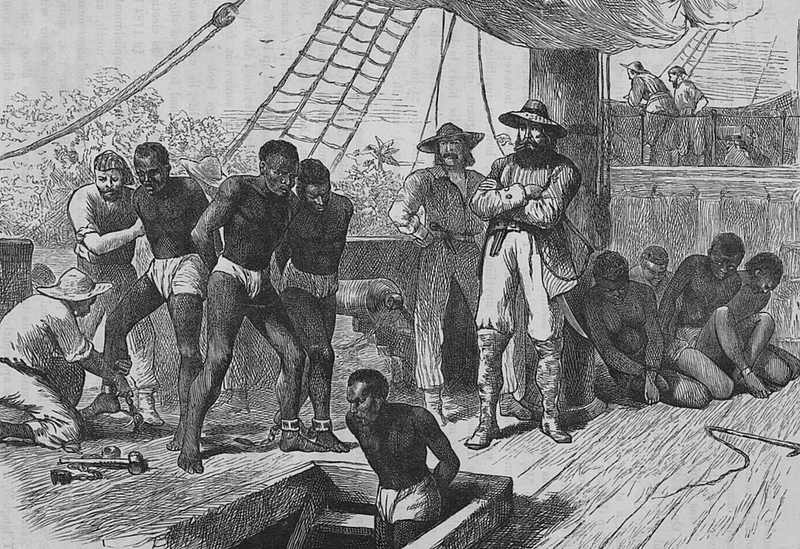

The Trans-Atlantic Slave Trade stands as one of the darkest and most shameful chapters in human history. Between the 16th and 19th centuries, millions of Africans were forcibly taken from their homes, separated from their families, and transported under horrific conditions to a life of slavery and abuse in the New World.
An estimated 12 million Africans were forced into this tragic voyage, and it is believed that around 1.8 million died before even reaching their destination, their lives claimed by the cruelty and inhumanity they endured aboard the slave ships.
Daily Life and Routine on a Slave Ship
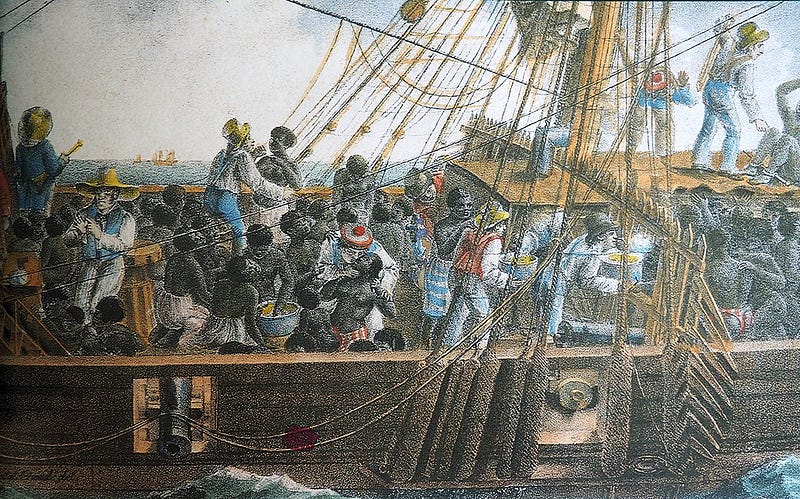
Every morning on the slave ship was the start of another day of enduring horrific conditions. Slaves were roughly woken up from sleep and released from their shackles only to be crammed together on deck, many still bearing the physical imprints of the chains.
The lack of sanitation was pronounced, with enslaved people having to contend with minimal and filth-ridden facilities. These conditions were breeding grounds for diseases like dysentery, with many suffering from infections due to the close quarters and lack of cleanliness.
When it came to meals, they were given a meager and monotonous diet that primarily consisted of ‘slabber-sauce’ — a concoction of water, flour, and molasses. When available, horse beans, yams, and unripe bananas were given, but mostly in a rotten state, causing malnutrition and diseases among them. The water provided was often stagnant and contaminated, forcing many to drink sparingly, which led to rampant dehydration.
The method of distributing this subpar food was in itself a form of cruelty. The enslaved were forced to eat quickly, and those who were reluctant or too sick were forced to eat, emphasizing their lack of agency and the objectification they suffered daily.
So-called “exercise” sessions were a twisted aspect of daily life on the slave ship. Slaves were coerced into “dancing” and moving, actions driven not by concern for their health, but rather for the amusement of the crew and to sustain the façade of “healthy” cargo.
The inhumane spectacle, conducted in chains, was overseen by the often violent gaze of the crew. Those who resisted or were unable to participate faced brutal punishments like whipping and beating. These punishments were a warning to others about the cost of defiance.
The evening brought no respite, instead, it was time for another round of dehumanizing rituals. The slaves were chained once more, crammed into the ship’s stifling, cramped holds. The shackles were frequently so restrictive that they caused swelling and infections around the wrists and ankles. Limited space forced many into uncomfortable positions, struggling for breath and movement. In such grim conditions, sleep was a rare comfort.
The place they were left to rest was nothing short of a living nightmare, overcrowded, sweltering, and lacking ventilation. Many were left to lie amidst their waste, enduring the unbearable stench and filth that surrounded them. Finding any comfort in these cramped, unclean spaces was a nightly struggle, a relentless reminder of their stripped humanity.

Abuse and Punishments
The daily life of slaves on the transatlantic voyages was a constant battle against fear and brutality. They were constantly under the threat of harsh punishment for the slightest hint of defiance or resistance.
Olaudah Equiano, a former slave who managed to buy his freedom, provided a firsthand account of the unimaginable horrors experienced on these ships
“The shrieks of the women and the groans of the dying rendered the whole a scene of horror almost inconceivable.”
The cruel implements used to maintain order and punish the enslaved were specially designed to cause intense and lingering pain. One such instrument was the cat-o’-nine-tails, a whip with multiple strands, each designed to tear and mutilate the flesh, leaving victims with festering wounds and a lifetime of scars.
Such cruel means of punishment were tools to inflict sustained, excruciating pain, with some victims succumbing to their injuries, their lives extinguished in this hellish journey.
Slaves were systematically stripped of every vestige of their identity, their names, their languages, their cultural heritage all erased. They were reduced to objects, dehumanized and commodified. The trauma was compounded as they were forced to witness the relentless suffering and degradation of fellow enslaved people, including family and friends.
Sabotage and Rebellion
Slaves found the courage amidst the brutal, dehumanizing conditions to resist and rebel in various forms, whether by subtly damaging equipment or acting slowly and uncooperatively. Their silent defiance became the undertone of life on these floating prisons.
In 1781, the horrific Zong Massacre occurred, where 132 slaves were thrown overboard due to an alleged lack of water. Shockingly, the ensuing legal battle focused on the financial losses of the ship’s owners rather than the heinous loss of human life, emphasizing the commodification of people. This event spurred moral opposition to slavery and fueled the abolitionist movement by highlighting the grave inhumanities of the slave trade.
Then almost 60 years later, the 1839 rebellion on La Amistad stands as a beacon of resistance and struggle for freedom and dignity. Under the leadership of Sengbe Pieh (Joseph Cinqué), Mende slaves on the ship revolted, demanding their right to freedom and life by seeking a return to Africa. The subsequent capture of the ship brought forth a landmark legal battle in the United States, reaching the Supreme Court.
With the support of abolitionists, the enslaved Africans aboard La Amistad achieved freedom. This rebellion, coupled with the ensuing legal tussle, highlighted the moral and legal absurdities of slavery and became a catalyst in the fight against the Trans-Atlantic Slave Trade, contributing to the abolitionist cause.